




 DISCORD
Iron Gold
Pierce Brown


 Goodreads Choice Awards
 Apple Books


 178 Min Reading Time
 Audio Version Available
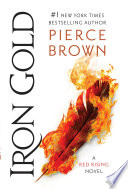
About this book
He is Reaper, liberator, warlord. But Darrow feels the weight of a crown earned in blood. Ten years after the Rising, the dream of peace has fractured, replaced by endless war. As Darrow risks everything on one last, desperate gamble, his fate intertwines with others scattered across the solar system: a Red girl searching for hope amid the ruins of revolution, a broken soldier forced into impossible choices, and a Gold heir haunted by the ashes of a fallen empire.
Iron Gold ignites a new saga of the Red Rising universe, where hard-won freedoms clash with the brutal realities of power, and the destinies of many will forge a new future from the wreckage of the old.
Summary of Key Ideas
- •
The Unforeseen Price of Freedom
The Cost of Revolution: Iron Gold delves into the less glamorous aftermath of Darrow's revolution. While he successfully dismantled the oppressive Gold regime, the transition to a new republic is fraught with challenges. The book explores the unintended consequences of war and liberation, showing how Darrow's actions, though intended to bring freedom, have created new problems and left many feeling abandoned or unheard. This key idea highlights the complexities of societal change and the burden of leadership when ideals meet reality.
- •
The Power of Shifting Perspectives
Multiple Perspectives: Unlike the original trilogy which was primarily from Darrow's point of view, Iron Gold introduces multiple perspectives, including Lyria, a Red caught in the crossfire; Lysander, a Gold heir grappling with his legacy; and Ephraim, a disillusioned Gray operative. This shift allows for a more nuanced exploration of the Red Rising universe, showcasing the diverse experiences and opinions of those affected by the revolution, and challenging the reader to consider the complexities of the conflict from all sides.
- •
Navigating Moral Ambiguity
The Gray Morality of War: Iron Gold explores the moral ambiguities inherent in warfare and revolution. Darrow, once a symbol of hope, now faces difficult choices that blur the line between right and wrong. The book questions whether the ends justify the means, and examines the psychological toll of constant conflict. Characters grapple with their past actions and the consequences of their decisions, revealing the gray areas of morality in a world defined by violence.
- •
Democracy's Precarious Foundation
The Fragility of Democracy: The establishment of the new republic is not a smooth transition. Iron Gold reveals the challenges of building a just and equitable society after centuries of oppression. Political infighting, economic instability, and lingering social divisions threaten to undermine the fragile democracy. This key idea highlights the importance of vigilance and compromise in safeguarding freedom, and the constant struggle to uphold democratic ideals in the face of adversity.
- •
Confronting the Ghosts of the Past
The Weight of Legacy: The characters in Iron Gold are burdened by the legacy of the past. Darrow struggles with the expectations placed upon him as a revolutionary hero, while Lysander grapples with the weight of his Gold heritage. The book explores how the past shapes the present, and how individuals can either be defined by their legacy or forge their own path. This theme highlights the importance of understanding history while striving for a better future.
- •
Forging New Identities in Chaos
The Search for Identity: In a society undergoing radical transformation, many characters find themselves questioning their identities. Lyria, displaced from her home, struggles to find her place in the new order. Darrow wrestles with his identity as both a liberator and a warrior. The search for identity becomes a central theme, as characters navigate the complexities of a changing world and strive to define themselves beyond the roles assigned to them by society.
- •
The Perils of Unchecked Authority
The Corrosive Nature of Power: Iron Gold illustrates how power, even when wielded with good intentions, can corrupt. Darrow's position as a leader leads him to make questionable decisions, and the allure of control tempts other characters as well. The book serves as a cautionary tale about the dangers of unchecked power and the importance of accountability. It reinforces the idea that true leadership requires humility, empathy, and a constant awareness of one's own limitations.
Chapter Recap

About The Author
Pierce Brown
Main Quotes
"“The Society may be gone, but humanity remains. And humanity is always the same. Some things never change.”"
"“A new wound can take a body. Opening an old one can claim a soul.”"
"“The key to learning, to power, to having the final say in everything, is observation. By all means, be a storm inside, but save your movement and wind till you know the precise direction to send it.”"
"“This is not the end. I loved you before I ever met you. I will love you until the sun dies. And when it does, I will love you in the darkness.”"
"“We are all just stories in the end. Just make it a good one, eh?”"
"“Hate is a far more practical and permanent weapon than love.”"
"“There’s no glory to be had in killing someone for the crime of being born.”"
"“A man thinks he can fly, but he is afraid to jump. A poor life, if you ask me.”"
"“Freedom costs too much, but chains can be so comfortable.”"
"“I am no longer the hero. I am the monster.”"
Who Should Read This Book
Fans of the original Red Rising trilogy seeking a continuation of the story.
Readers of mature science fiction and space operas.
Readers interested in political intrigue, complex characters, and morally grey themes.
Those who enjoy books with multiple perspectives and character-driven narratives.
Readers who appreciate detailed world-building and exploration of societal issues within a fictional context.
Book Summaries Like
Iron Gold

FAQ

Free Access to LitNotes