




 DISCORD
Irresistible
Adam L. Alter


 Goodreads Choice Awards
 Apple Books


 49 Min Reading Time
 Audio Version Available
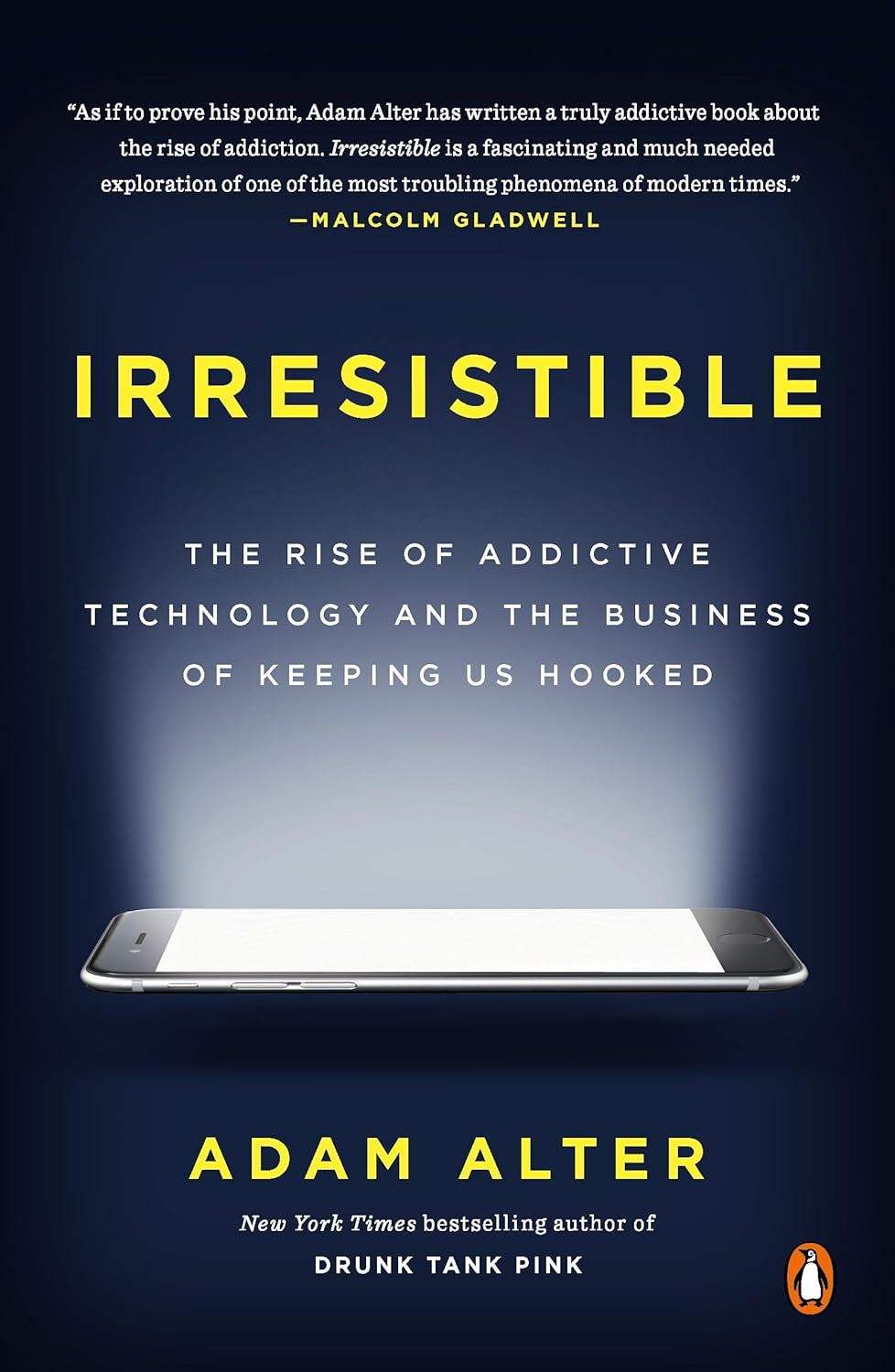
About this book
We live in an age of irresistible technology. From endlessly refreshing social media feeds to binge-watching the next must-see series, we're all susceptible to behavioral addiction. In Irresistible, NYU professor Adam Alter delves into the hidden world of addictive experiences, revealing how technology companies and app designers use psychological principles to hook us.
Explore the science behind why so many products and platforms are difficult to resist. Discover the subtle yet powerful techniques that make our phones, games, and social media so compelling, and understand the devastating consequences of this over-engagement on our well-being, relationships, and productivity.
Irresistible isn't just a diagnosis; it's a call to action. Alter provides practical, research-based solutions to help you reclaim control, set healthy boundaries, and redesign your relationship with technology before it redesigns you. Learn how to navigate our increasingly addictive world and find a more balanced, fulfilling life.
Summary of Key Ideas
- •
The Rise of Behavioral Addiction
Behavioral Addiction: A Modern Epidemic. Alter argues that addiction is no longer limited to substances; technology and experiences can be equally addictive. He introduces the concept of 'behavioral addiction,' where everyday activities like social media, gaming, and even checking emails trigger the same reward pathways in the brain as drugs or alcohol. This idea challenges conventional understanding of addiction and highlights the pervasive nature of technology's influence on our lives.
- •
The Addictive Design of Technology
Designed for Addiction: Understanding persuasive design. A central theme is that many apps and digital platforms are intentionally designed to be addictive. Alter delves into the psychological techniques used by designers to capture and hold users' attention. Variable rewards, progress bars, and social validation are some of the tools employed to create compulsive behaviors. Understanding these strategies is crucial for recognizing and resisting their influence.
- •
The Addictive Potential of Everyday Experiences
The Nine Ingredients: Defining addictive experiences. Alter identifies nine key ingredients that make experiences addictive. These include compelling goals, irresistible positive feedback, gradual escalation, unresolved tensions, and social interaction. When these elements combine, they create a powerful pull that can lead to excessive engagement and, ultimately, addiction. By understanding these ingredients, individuals can better assess the addictive potential of various activities.
- •
Variable Rewards and the Hook Model
The Lure of Variable Rewards: The power of unpredictability. Variable rewards, where outcomes are unpredictable, are a key driver of addictive behavior. This principle is evident in slot machines, social media feeds, and video games. The anticipation of a potential reward, even if it's infrequent, keeps users engaged and coming back for more. Understanding this mechanism helps explain why seemingly innocuous activities can become so captivating.
- •
Filling the Social Void with Technology
The Social Connection Void: Technology as a substitute. Alter explores how technology can fill a void in social connection, particularly for individuals who feel isolated or lonely. Social media platforms, for example, offer a sense of belonging and validation, which can be highly addictive. However, these online interactions often lack the depth and authenticity of real-world relationships, leading to a cycle of dependence and dissatisfaction.
- •
Strategies for Reclaiming Control
Reclaiming Control: Strategies for digital well-being. The book offers practical strategies for reclaiming control over technology use. These include setting time limits, creating tech-free zones, and practicing mindfulness. Alter emphasizes the importance of intentionality and awareness in navigating the digital world. By implementing these strategies, individuals can reduce their dependence on technology and cultivate healthier habits.
- •
The Societal Impact of Technology Addiction
Addiction Beyond the Individual: Societal implications. Alter goes beyond individual-level addiction to examine the broader societal implications of technology overuse. He discusses the impact on productivity, relationships, and overall well-being. The book calls for a more critical examination of the role of technology in our lives and the need for collective action to promote healthier digital habits.
- •
The Power of Friction
The importance of Friction: Creating barriers to compulsive use. Alter introduces the idea of increasing friction to combat addiction. Making it slightly harder to access addictive platforms or engage in addictive behaviors can significantly reduce their appeal. This might involve deleting apps from your phone's home screen, logging out of social media accounts after each use, or using website blockers. Introducing even small barriers can disrupt the automaticity of addictive habits.
Chapter Recap

About The Author
Adam L. Alter
Main Quotes
"A behavior is addictive only if the rewards it brings now are eventually outweighed by dire consequences later."
"Addiction isn't a character flaw; it's a consequence of hijacking the very circuitry that makes us feel pleasure and keeps us coming back for more."
"The most addictive products aren't those that offer the most intense sensations, but those that do the best job of relieving pain."
"Life is more convenient than ever, but convenience has also weaponized temptation."
"Addicts aren't simply weaker specimens than non-addicts; they aren't morally corrupt where non-addicts are virtuous."
"Each of us is an ongoing product of the world within us, the world between us, and the world around us."
"The sweet spot for any activity lies somewhere between boring and panic."
"To some extent we all need losses and difficulties and challenges, because without them the thrill of success weakens gradually until it becomes a meaningless routine."
"It seemed as if the people producing tech products were following the cardinal rule of drug dealing: never get high on your own supply."
"Addiction is just learning gone wrong."
Who Should Read This Book
People concerned about their own or others' technology use and potential addiction
Parents seeking to understand and manage their children's screen time
Educators and policymakers interested in the impact of technology on learning and society
Business professionals and designers who want to create more ethical and engaging products
Individuals interested in psychology, behavioral science, and the science of addiction
Anyone curious about the impact of technology on modern life and human behavior
Readers of popular science and self-help books focused on technology and well-being
Book Summaries Like
Irresistible


FAQ

Free Access to LitNotes