




 DISCORD
James
Percival L. Everett


 Amazon Best Sellers
 The New York Times Best Sellers


 40 Min Reading Time
 Audio Version Available
About this book
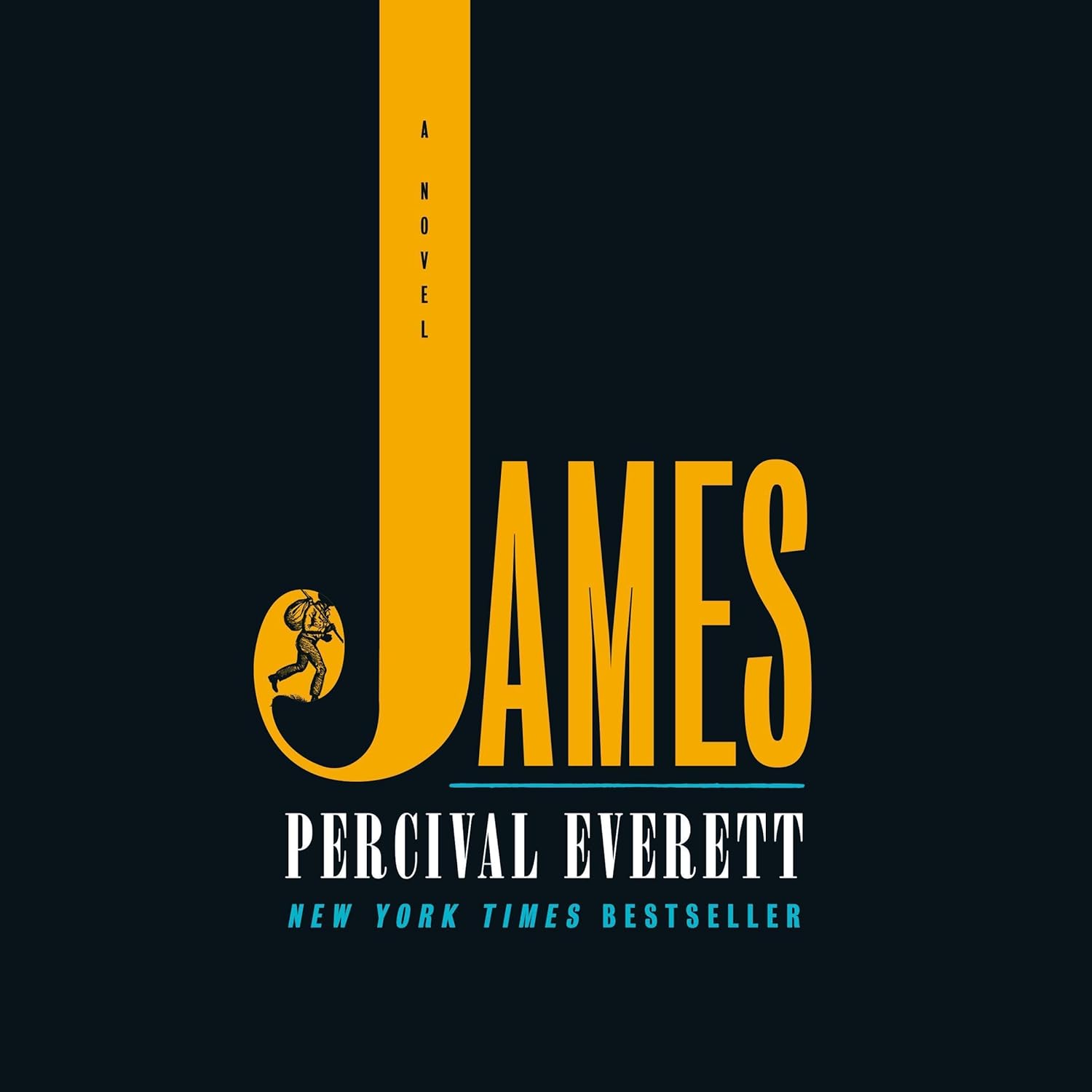
Faced with being sold and torn from his family, Jim, an enslaved man, escapes to Jackson Island to devise a plan. There, he encounters Huck Finn, who has faked his own death to escape his abusive father. Thus begins their perilous journey down the Mississippi River toward the elusive promise of freedom.
Percival Everett reimagines Adventures of Huckleberry Finn from Jim's perspective, revealing a man of profound agency, intelligence, and compassion. While echoing Twain's iconic scenes, James illuminates the heart and mind of a man determined to secure his own liberty and protect his family, transforming himself from Jim to James, claiming his name and his destiny in a world that denies him both. A harrowing and humorous exploration of American identity, James is a transformative work by one of our most important writers.
Summary of Key Ideas
- •
The Power of Masking: Concealing Intelligence for Survival
Hidden Intelligence and Performance: James, the enslaved protagonist, deliberately adopts a stereotypical persona of a slow-witted slave to mask his literacy, intellect, and strategic thinking. This performance is a survival mechanism, allowing him to observe and navigate the oppressive world around him without drawing undue attention. The act of concealing his true abilities becomes both a shield and a tool, influencing how other characters perceive and interact with him. This calculated deception is a central aspect of his character and a commentary on the societal expectations placed upon enslaved people.
- •
Linguistic Rebellion: Writing as an Act of Freedom
Reclaiming Language and Narrative: The novel is a powerful act of reclaiming language. James secretly masters literacy and uses his refined language skills to subvert the dominant narrative imposed by the slaveholding society. This linguistic empowerment allows him to document his experiences, articulate his thoughts, and challenge the dehumanizing rhetoric used to justify slavery. By rewriting his story in his own words, James asserts his humanity and agency, countering the prevailing racist ideology.
- •
Exposing the Brutality: Slavery's Dehumanizing Impact
The Dehumanizing Nature of Slavery: The book vividly portrays the brutal realities and psychological toll of slavery. It explores how the institution strips individuals of their dignity, autonomy, and basic human rights. Through James's experiences and observations, the novel exposes the inherent violence, exploitation, and moral bankruptcy of a system built on the ownership and subjugation of other human beings. The constant threat of violence, the separation of families, and the denial of education are all depicted as integral components of the dehumanizing system.
- •
Navigating Dual Identities: The Burden of Oppression
The Complexities of Identity: James explores the multifaceted nature of identity, particularly for those living under oppression. James grapples with the conflicting identities imposed upon him by society and his own self-perception. The tension between his outward persona and his inner self highlights the psychological burden of living a dual existence. This exploration of identity extends to other characters, revealing the ways in which race, class, and social status shape individual experiences and perceptions.
- •
The Relentless Pursuit: A Quest for True Freedom
The Search for Freedom and Self-Determination: The overarching narrative revolves around James's quest for freedom, both for himself and his family. This pursuit is not merely a physical escape from slavery but also a journey toward self-determination and the assertion of his inherent worth. The desire for freedom fuels his actions, motivates his strategic thinking, and ultimately defines his character. The novel examines the different forms that freedom can take, including physical liberation, intellectual empowerment, and emotional well-being.
- •
Challenging Stereotypes: Reclaiming the Narrative of Enslavement
Subverting Literary Tropes: As a reimagining of "Adventures of Huckleberry Finn", "James" directly confronts and subverts traditional literary tropes associated with the depiction of enslaved people. By centering the narrative on James's perspective and giving him a sophisticated voice, the novel challenges stereotypical portrayals of slaves as simple, uneducated, or subservient. This subversion serves to reclaim the narrative and offer a more nuanced and authentic representation of the enslaved experience.
Chapter Recap

About The Author
Percival L. Everett
Main Quotes
"We're slaves. We're not anywhere. Free person, he can be where he wants to be. The only place we can ever be is in slavery."
"Folks be funny lak dat. Dey takes the lies dey want and throws away the truths dat scares 'em."
"It always pays to give white folks what they want"
"Religion is just a controlling tool that they employ and adhere to when convenient."
"If I am in a war, then I have the right to fight back. That follows, doesn't it? I have a right, perhaps a duty, to kill my enemy."
"As I said it, that wave of fear washed over me again. I might have been better off drowning in the river or freezing to death in the night."
"Because of my mother. Because of my wife. Because I don't want to be white. I don't want to be one of them."
"I can tell you that I am a man who is cognizant of his world, a man who has a family, who loves a family, who has been torn from his family, a man who can read ..."
"I did not look away. I wanted to feel the anger. I was befriending my anger, learning not only how to feel it, but perhaps how to use it."
"I knew den dat I could never tell her de trut about not talkin right. Dat would only bring her pain and it would not do her no good. It would not do me no good either."
Who Should Read This Book
Readers of literary fiction
Readers interested in reinterpretations of classic literature, specifically "Adventures of Huckleberry Finn"
Readers interested in stories exploring themes of race, slavery, and American history
Readers who appreciate satirical and humorous writing styles with intellectual depth
Readers of Percival Everett's previous works
Book club participants
Readers interested in social commentary and critiques of American culture
Readers seeking stories with strong character development and internal monologue
Book Summaries Like
James


FAQ

Free Access to LitNotes