




 DISCORD
Just Mercy
Bryan Stevenson


 Amazon Best Sellers
 Barnes & Noble Bestsellers


 68 Min Reading Time
 Audio Version Available
About this book
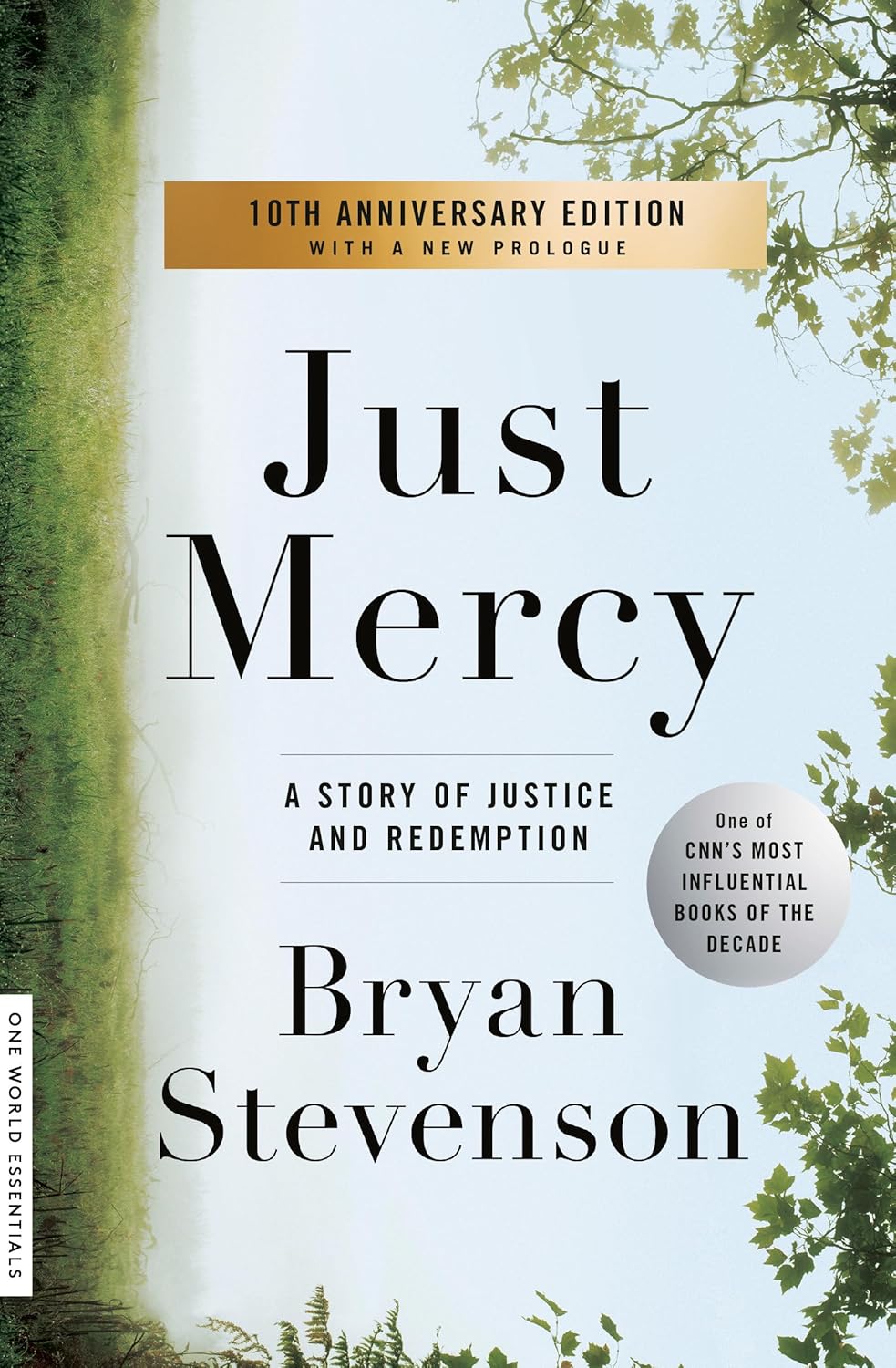
Bryan Stevenson's Just Mercy is a powerful and unforgettable true story that explores the brokenness of our justice system, and the potential for mercy to redeem us all. As a young lawyer, Stevenson founded the Equal Justice Initiative to defend the poor, the wrongly condemned, and the marginalized, confronting the system's biases head-on.
His landmark case, that of Walter McMillian, a young Black man wrongly convicted and sentenced to death for a murder he swore he didn't commit, leads Stevenson into a dark world of conspiracy, political maneuvering, and legal battles. Just Mercy is more than a legal drama; it is an intimate portrayal of the lives caught within the system, and Stevenson's own transformation as he fights for justice and challenges our notions of compassion and fairness.
A searing indictment of injustice and a testament to the resilience of the human spirit, Just Mercy is an inspiring call to confront our past, reform our laws, and seek mercy for all.
Summary of Key Ideas
- •
The Power of Proximity
Proximity to the condemned is paramount. Stevenson emphasizes the necessity of getting close to the incarcerated, understanding their stories, and recognizing their humanity. By immersing himself in their lives, he uncovers the systemic injustices they face, challenging the dehumanization prevalent in the criminal justice system. This proximity fuels his advocacy and allows him to fight for their rights with greater empathy and conviction, showcasing the power of personal connection in driving social change.
- •
Mercy as a Cornerstone of Justice
Stevenson argues that true justice requires mercy, especially for the marginalized and wrongly convicted. He suggests that mercy is not about excusing crime but recognizing the inherent worth and potential for redemption in every individual, regardless of their past actions. He challenges the retributive nature of the justice system, advocating for a more compassionate approach that considers the circumstances and humanity of the accused.
- •
Exposing Racial Bias in the Justice System
The book exposes the deep-seated racial biases within the American legal system. Stevenson illustrates how race disproportionately affects who is accused, convicted, and sentenced, particularly in cases involving capital punishment. He highlights instances where race appears to be a determining factor in wrongful convictions and harsher penalties, underscoring the urgent need for systemic reform to address racial inequities in the pursuit of justice.
- •
Unveiling Systemic Failures
Just Mercy reveals the systemic failures that contribute to wrongful convictions, including inadequate legal representation, prosecutorial misconduct, and flawed eyewitness testimony. Stevenson meticulously details how these failures often disproportionately impact the poor and marginalized, leading to devastating consequences. By exposing these flaws, he advocates for reforms that prioritize fairness, accuracy, and equal access to justice for all.
- •
Protecting Vulnerable Children in the System
Stevenson highlights the plight of children tried and sentenced as adults, arguing that they deserve special consideration due to their developmental immaturity and potential for rehabilitation. He shares heartbreaking stories of young people facing severe sentences, including life imprisonment, and advocates for a more humane approach that recognizes their capacity for change. He emphasizes the importance of age and circumstance in determining appropriate sentencing.
- •
Addressing Trauma and its Impact
The book explores the lasting impact of trauma and abuse on individuals, particularly those who become entangled in the criminal justice system. Stevenson demonstrates how childhood trauma, poverty, and neglect can contribute to criminal behavior and argues that these factors should be considered during sentencing. He advocates for a more holistic approach to justice that addresses the root causes of crime and provides support for rehabilitation.
- •
The Indomitable Power of Hope
Stevenson underscores the importance of hope and resilience in the face of adversity. Despite witnessing profound injustice and suffering, he maintains a sense of optimism and unwavering commitment to fighting for the rights of the wrongly convicted. He inspires readers to believe in the possibility of change and to never give up on the pursuit of justice, even when the odds seem insurmountable.
- •
The Importance of Community Support
Stevenson's narrative highlights the importance of community and support in the fight for justice. He emphasizes the role of family, friends, and advocacy organizations in providing emotional, legal, and financial assistance to those who are incarcerated. He showcases the power of collective action in challenging systemic injustices and advocating for policy reforms that promote fairness and equality.
- •
Judging Society by its Treatment of the Vulnerable
A recurring idea is that societies should be judged by how they treat their most vulnerable members. Stevenson argues that a just society is one that protects the rights of the poor, the incarcerated, and the marginalized. He challenges readers to confront their own biases and prejudices and to work towards creating a more equitable and compassionate world for all.
Chapter Recap

About The Author
Bryan Stevenson
Main Quotes
"Each of us is more than the worst thing we’ve ever done."
"The opposite of poverty isn't wealth; the opposite of poverty is justice."
"We are all broken by something. We have all hurt someone and have been hurt. We all share the condition of brokenness even if our brokenness is not equivalent."
"Proximity has taught me some basic and humbling truths, including this vital lesson: Each of us is more than the worst thing we’ve ever done."
"The true measure of our character is how we treat the poor, the disfavored, the accused, the incarcerated, and the condemned."
"We have a system of justice that treats you much better if you’re rich and guilty than if you’re poor and innocent. Wealth, not culpability, shapes outcomes."
"I’ve learned that each of us is more than the worst thing we’ve ever done."
"You can't understand most of the important things from a distance, Bryan. You have to get close."
"The power of just mercy is that it belongs to the undeserving. It's when mercy is least expected that it's most potent—strong enough to break the cycle of victimization and victimhood, punishment and imprisonment."
"We all need mercy, we all need justice, and perhaps we all need some measure of unearned grace."
Who Should Read This Book
Readers interested in social justice issues
Individuals involved in the legal profession (lawyers, paralegals, law students)
Readers interested in true crime and non-fiction narratives
People concerned about racial inequality and the criminal justice system
Educators and students in high school and college settings
Individuals seeking to understand the complexities of the death penalty
Those interested in stories of redemption and the power of the human spirit
Readers who enjoy memoirs and biographies focused on activism and advocacy
People looking for books that inspire empathy and action
Book clubs focused on social issues and current events
Book Summaries Like
Just Mercy


FAQ

Free Access to LitNotes