




 DISCORD
Kurt Vonnegut's Slaughterhouse-five
Kurt Vonnegut


 Indie Bestsellers


 37 Min Reading Time
 Audio Version Available
About this book
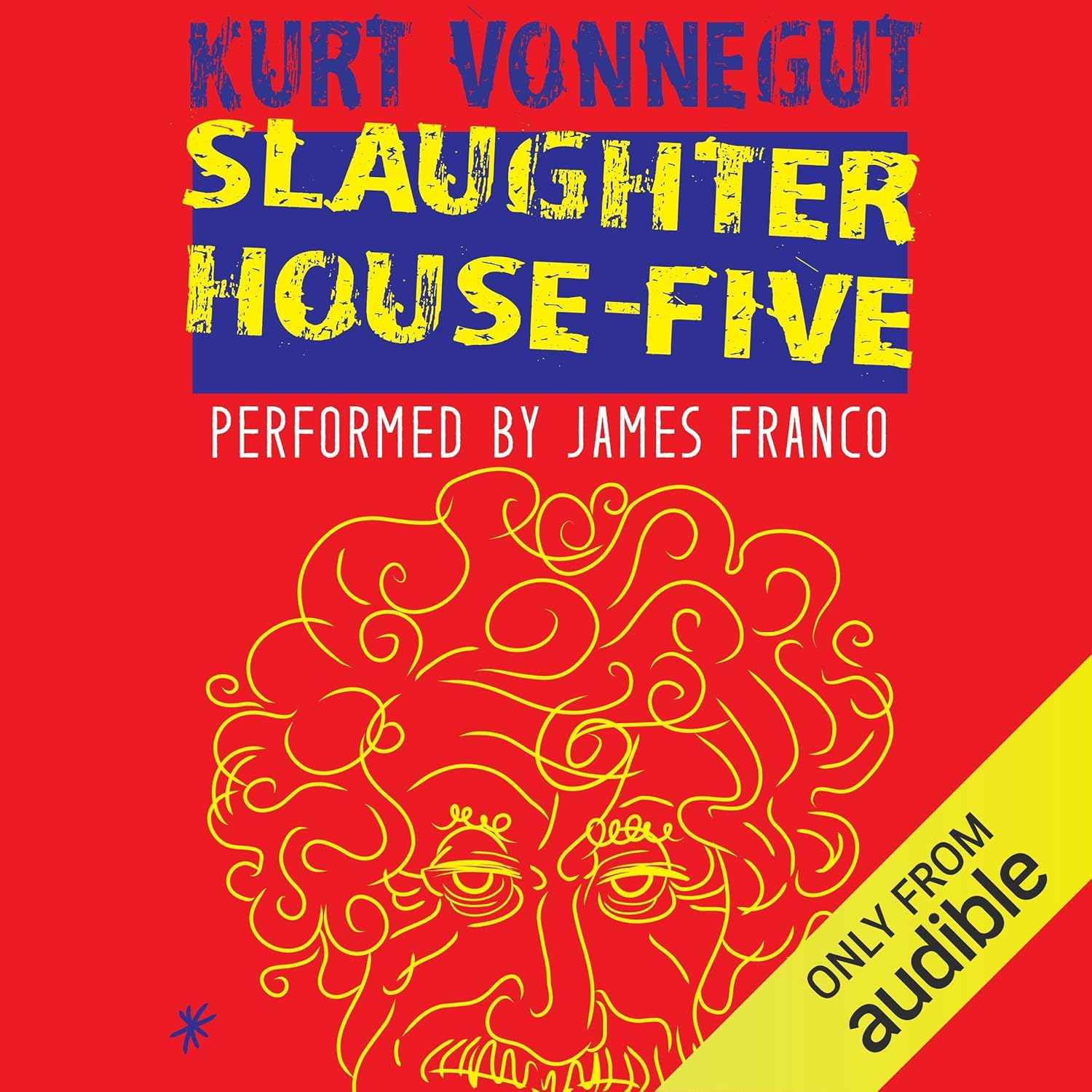
Billy Pilgrim has become unstuck in time. Kidnapped by aliens from the planet Tralfamadore, he experiences life in a non-linear fashion, jumping between his birth, the firebombing of Dresden, and the alien zoo where he is kept on display.
A dark and hilarious satire, Slaughterhouse-Five is one of the world's great anti-war books. Centered on the infamous firebombing of Dresden, Billy Pilgrim's odyssey through time reflects the fragmented and chaotic nature of trauma, challenging our perceptions of free will and the meaning of existence. Vonnegut weaves science fiction, historical fiction, and autobiography into a profound and deeply human exploration of war's lasting impact. Slaughterhouse-Five is a testament to the power of the imagination in the face of unimaginable horror, a poignant and enduring masterpiece that continues to resonate with readers today.
Summary of Key Ideas
- •
The Unspeakable Horror of Dresden
The Dresden Bombing: A Central Trauma. The firebombing of Dresden is the core historical event shaping the narrative and Billy Pilgrim's psyche. Vonnegut, a survivor himself, uses Billy's experience to depict the unimaginable horrors and senseless destruction of war. The event's impact is so profound that it defies conventional storytelling, leading to the fragmented, non-linear structure of the novel. The bombing represents not just physical devastation but also the obliteration of meaning and the psychological trauma that haunts survivors. It serves as a stark reminder of the human cost of war and the difficulty of articulating such experiences.
- •
Escaping Trauma Through Time
Time Travel as a Coping Mechanism. Billy Pilgrim becomes "unstuck in time," experiencing his life in a non-linear fashion. This time travel is not a fantastical adventure but a symptom of PTSD, a way for Billy to escape the trauma of Dresden and other painful experiences. By jumping between moments in his life, Billy gains a sense of detachment and control over his memories, allowing him to revisit pleasant moments and avoid dwelling on the horrific ones. This narrative device reflects the fragmented nature of memory and the psychological impact of trauma, where past, present, and future become blurred.
- •
"So it goes": Embracing Fatalism
"So it goes": Accepting the Inevitability of Death. The phrase "So it goes" appears repeatedly throughout the novel, following mentions of death. This refrain is a Tralfamadorian expression signifying acceptance of death as an inevitable part of the universe. It reflects a fatalistic worldview, suggesting that death is neither good nor bad, but simply a fact of life. The phrase serves as a coping mechanism for dealing with the constant presence of death in Billy's life, particularly in the context of war. It encourages a detached perspective, allowing characters (and readers) to acknowledge death without being overwhelmed by grief or despair.
- •
War as a Meaningless Slaughter
The Absurdity and Futility of War. Vonnegut consistently portrays war as a senseless and absurd endeavor, devoid of heroism or purpose. The characters are often incompetent, misguided, or simply caught in circumstances beyond their control. The Dresden bombing, in particular, highlights the devastating consequences of strategic decisions that seem illogical and inhumane. Through satire and dark humor, Vonnegut critiques the glorification of war and exposes its brutal reality, emphasizing the futility of violence and the lasting damage it inflicts on individuals and societies.
- •
The Illusion of Choice
Free Will vs. Determinism: The Tralfamadorian Perspective. The Tralfamadorians, aliens who perceive time as a simultaneous, unchanging reality, believe that free will is an illusion. They see all events as predetermined and inevitable. This perspective challenges the traditional notion of human agency and raises questions about whether individuals truly have control over their lives. While Billy finds comfort in the Tralfamadorian view, as it alleviates him of the burden of responsibility for his actions, the novel ultimately leaves the question of free will open to interpretation, inviting readers to consider the extent to which their lives are shaped by choice or fate.
- •
Sci-Fi as a Mirror to Humanity
Science Fiction as a Vehicle for Truth. Vonnegut uses science fiction elements, such as time travel and alien encounters, not for escapism but to explore profound truths about the human condition. The Tralfamadorians, with their unique perspective on time and death, provide a lens through which to examine human suffering and the search for meaning. By juxtaposing fantastical elements with the harsh realities of war, Vonnegut creates a surreal and thought-provoking narrative that transcends conventional war stories. Science fiction becomes a tool for confronting difficult subjects and challenging readers to think differently about the world.
- •
The Moral Duty to Remember
The Importance of Witnessing and Bearing Witness. Vonnegut emphasizes the importance of witnessing traumatic events and sharing those experiences with others. The novel itself is a testament to the author's commitment to bearing witness to the horrors of Dresden and the psychological toll of war. By telling Billy's story, Vonnegut seeks to confront the silence surrounding trauma and to create a space for understanding and empathy. The act of witnessing becomes a moral imperative, a way to honor the victims of violence and to prevent future atrocities. The book is dedicated to Gerhard Müller, a Dresden survivor Vonnegut met after the war. It underscores the necessity of remembering and learning from the past.
- •
The Scars of War: PTSD and Survival
Mental Illness and Coping with Trauma. While the book doesn't explicitly diagnose Billy with a specific mental illness, his experiences strongly suggest PTSD and other trauma-related conditions. His detachment, time travel, and reliance on Tralfamadorian philosophy can be interpreted as coping mechanisms for dealing with the overwhelming stress and horror he has witnessed. The novel highlights the long-lasting psychological effects of war and the challenges of reintegrating into civilian life after experiencing trauma. It suggests that mental illness is not a sign of weakness but a natural response to extraordinary circumstances and a reflection on humanity's capacity to endure profound suffering.
Chapter Recap

About The Author
Kurt Vonnegut
Main Quotes
"So it goes."
"All this happened, more or less."
"There are almost no characters in this story, and almost no dramatic climaxes."
"God grant me the serenity to accept the things I cannot change, courage to change the things I can, and wisdom to always tell the difference."
"You'll pretend you were men instead of babies."
"Why you? Why us for that matter? Why anything? Because this moment simply is."
"I have told my sons that they are not under any circumstances to take part in massacres, and that the news of massacres of enemies is not to fill them with satisfaction or glee."
"The most important thing I learned on Tralfamadore was that when a person dies he only appears to die. He is still very much alive in the past, so it is very silly for people to cry at his funeral."
"Enjoy life while you've got it."
"There is love enough in this world for everybody, if people will just look. I am proof of that."
Who Should Read This Book
Readers interested in anti-war literature
Fans of science fiction with philosophical themes
Individuals interested in historical fiction, particularly about World War II and the bombing of Dresden
Readers who enjoy satirical and darkly humorous novels
Students and academics studying American literature, postmodernism, or war literature
Individuals interested in exploring themes of trauma, memory, and free will
Fans of Kurt Vonnegut's other works
Readers interested in books that challenge conventional narrative structures
People who appreciate philosophical and existential questions
Those seeking books that blend humor and tragedy
Book Summaries Like
Kurt Vonnegut's Slaughterhouse-five

FAQ

Free Access to LitNotes