




 DISCORD
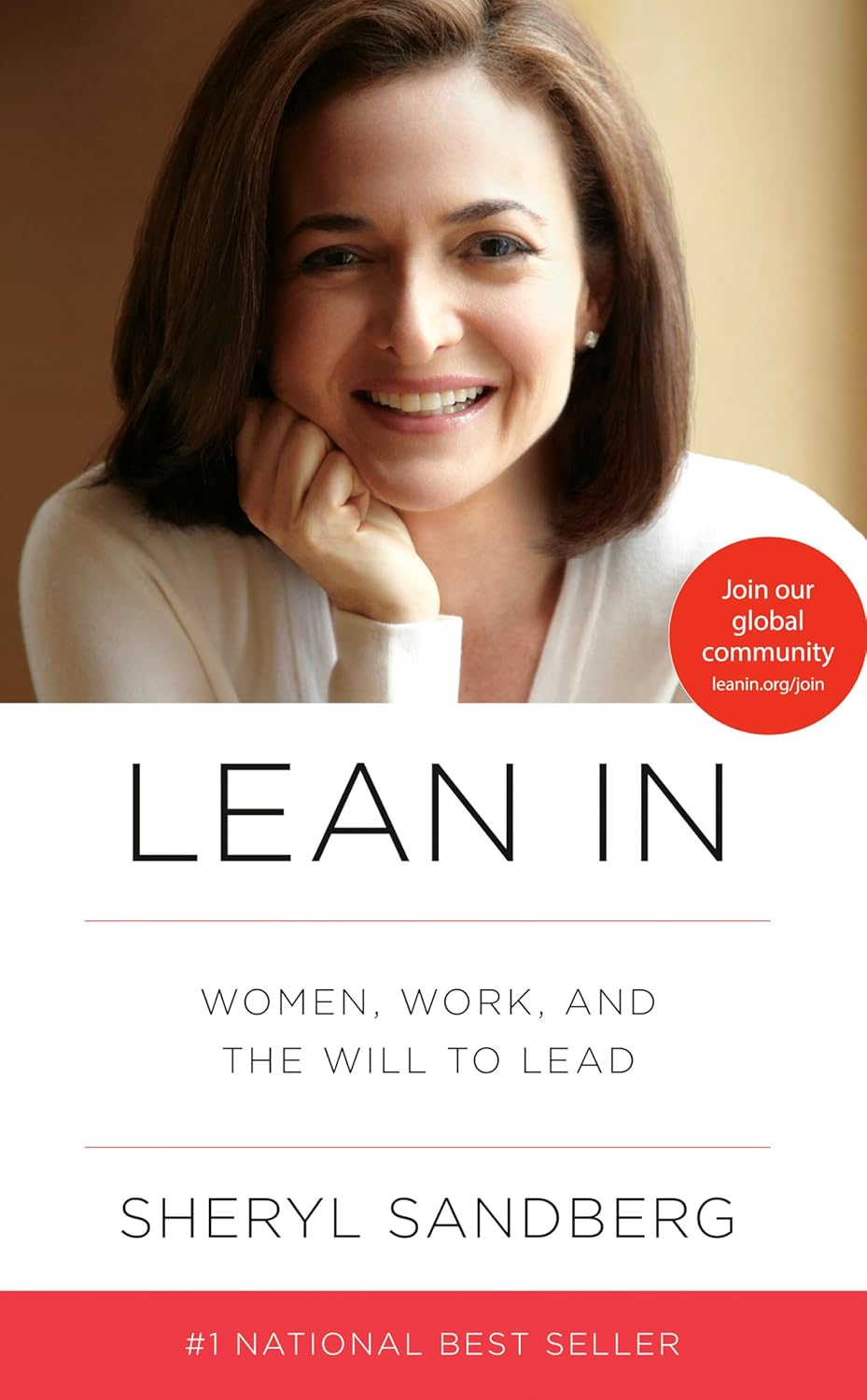
Lean In
Sheryl Sandberg, Nell Scovell


 Amazon Best Sellers
 Apple Books


 51 Min Reading Time
 Audio Version Available
About this book
In this landmark bestseller, Meta COO Sheryl Sandberg ignites a powerful call to action, urging women to shatter self-doubt and "lean in" to their ambitions. Drawing from personal experiences, hard data, and incisive research, Sandberg dismantles the barriers holding women back and offers practical strategies for negotiation, mentorship, and career fulfillment. Discover how to blend professional success with personal satisfaction, and how men can champion equality at work and home. Lean In is a blueprint for individual growth, empowering you to change the conversation from what women can't do to everything they can.
Summary of Key Ideas
- •
Embrace Ambition and 'Lean In'
Lean In challenges women to actively pursue their ambitions in the workplace and overcome internal barriers. Sandberg argues that societal expectations and ingrained biases often lead women to underestimate their capabilities and hold themselves back from seeking leadership roles. She encourages women to 'lean in' by taking risks, asserting their ideas, and actively seeking opportunities for advancement. This involves challenging self-doubt, negotiating effectively, and proactively pursuing career goals, rather than waiting to be recognized or promoted. The core message is that women need to be proactive in shaping their careers and striving for leadership positions.
- •
Address the Leadership Gap
A significant theme in Lean In is addressing the disparities in gender representation at the highest levels of leadership. Sandberg highlights the stark underrepresentation of women in corporate boardrooms, executive positions, and political offices. She argues that this imbalance not only limits women's opportunities but also deprives organizations of diverse perspectives and talents. The book advocates for systemic changes to create a more level playing field, including policies that support work-life balance, equal pay, and mentorship programs for women. By increasing female representation in leadership, organizations can foster innovation, improve decision-making, and better reflect the diversity of their workforce and customer base.
- •
Seek Mentorship and Sponsorship
Lean In emphasizes the importance of mentorship and sponsorship in career development. Sandberg distinguishes between the two, explaining that mentors offer guidance and advice, while sponsors actively advocate for their mentees' advancement. She encourages women to seek out both mentors and sponsors who can provide valuable insights, open doors to new opportunities, and champion their accomplishments. The book also urges established leaders to actively mentor and sponsor women, helping them navigate the challenges of the workplace and advance their careers. By fostering supportive relationships, women can gain confidence, expand their networks, and achieve their full potential.
- •
Embrace Shared Responsibilities at Home
A crucial element of Lean In is the call for shared responsibility in domestic life. Sandberg underscores the importance of equal partnerships, where both men and women share household chores, childcare responsibilities, and family obligations. She argues that when women bear a disproportionate share of the domestic burden, it hinders their ability to fully participate in the workforce and advance their careers. The book encourages couples to have open and honest conversations about dividing responsibilities fairly and to challenge traditional gender roles. By creating more equitable partnerships at home, women can have more time and energy to invest in their careers, leading to greater professional fulfillment and success.
- •
Confront Unconscious Bias
Lean In acknowledges the pervasive issue of unconscious bias in the workplace. Sandberg explains that both men and women can hold unconscious biases that affect their perceptions and evaluations of others, often disadvantaging women. These biases can manifest in various ways, such as undervaluing women's contributions, making assumptions about their commitment to work, or overlooking their leadership potential. The book advocates for raising awareness of unconscious bias and implementing strategies to mitigate its impact, such as blind resume reviews, diverse interview panels, and inclusive leadership training. By addressing unconscious bias, organizations can create a more equitable and inclusive environment where everyone has the opportunity to thrive.
- •
Overcome the Fear of Failure
Sandberg addresses the fear of failure that can hold women back from taking risks and pursuing ambitious goals. She argues that women are often socialized to avoid failure and strive for perfection, which can lead to self-doubt and reluctance to step outside their comfort zones. Lean In encourages women to embrace failure as a learning opportunity and to view setbacks as temporary rather than defining. By reframing failure as a stepping stone to success, women can build resilience, develop a growth mindset, and become more willing to take risks and pursue their dreams. Overcoming the fear of failure is essential for unlocking women's full potential and achieving their career aspirations.
Chapter Recap

About The Author
Sheryl Sandberg
Main Quotes
"In the future, there will be no female leaders. There will just be leaders."
"What would you do if you weren't afraid?"
"Careers are not ladders, those days are long gone, but jungle gyms."
"We cannot change what we are not aware of, and once we are aware, we cannot help but change."
"Done is better than perfect."
"Leadership is about making others better as a result of your presence and making sure that impact lasts in your absence."
"The most common way people give up their power is by thinking they don't have any."
"There's a special place in hell for women who don't help other women."
"We need women at all levels, including the top, to change the dynamic, reshape the conversation, to make sure women’s voices are heard and heeded, not overlooked and ignored."
"When looking for a life partner, my advice to women is date all of them: the bad boys, the cool boys, the commitment-phobic boys, the crazy boys. But do not marry them. The things that make the bad boys exciting do not make them good husbands."
Who Should Read This Book
Professional women in their 20s to 40s
Women interested in career advancement and leadership
College-educated women
Women navigating work-life balance
Individuals interested in gender equality and workplace dynamics
Readers of business self-help books
Book Summaries Like
Lean In


FAQ

Free Access to LitNotes