




 DISCORD
Lone Women
Victor D. LaValle


 Goodreads Choice Awards
 USA Today Best Sellers


 52 Min Reading Time
 Audio Version Available
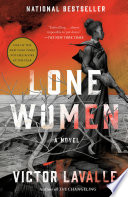
About this book
In 1915, Adelaide Henry sets off from California with a steamer trunk and a terrifying secret: her family is dead, and she carries the key to unimaginable horror. Determined to start a new life, she seeks refuge in Montana as a homesteader, joining a community of other women living on the fringes of society.
These "lone women," each with their own reasons for seeking solitude, offer Adelaide a chance at belonging. But the monstrous secret she carries threatens to shatter the fragile peace they've found. As a series of strange occurrences plague the isolated homesteads, Adelaide must confront not only the darkness she harbors but also the prejudice and superstition that surround her.
Blending historical fiction, horror, and elements of the Western, Victor LaValle's Lone Women is a thrilling exploration of guilt, redemption, and the power of sisterhood in a world haunted by both human and supernatural evils. It is a haunting tale of a Black woman's fight for survival and a testament to the strength found in the most unlikely of communities.
Summary of Key Ideas
- •
The Weight of Hidden Truths
Adelaide's Secret and the Burden of Shame: The central conflict of the novel revolves around Adelaide's secret, locked away in a trunk, which represents a profound source of shame and guilt. This secret dictates her decisions and forces her to flee her home, highlighting the crippling weight of hidden truths and their impact on individual lives. The narrative explores how secrets, especially those related to family and personal history, can shape one's identity and destiny, leading to isolation and a constant need for escape.
- •
Forging Independence on the Frontier
The Power and Peril of Female Independence: Set in 1915, the novel showcases women seeking independence through homesteading in Montana. These 'lone women' challenge societal norms and expectations, carving out their own paths in a harsh and unforgiving landscape. However, their independence is fraught with peril, as they face not only the challenges of frontier life but also the ever-present threat of societal judgment and the unique dangers faced by women alone in a male-dominated world. The novel celebrates female resilience while acknowledging the high cost of defying conventions.
- •
The Real Monsters Among Us
Monstrosity as a Metaphor for Societal Ills: LaValle uses the supernatural element of a literal 'monster' to explore the monstrous aspects of human behavior and societal structures. The creature within the trunk becomes a metaphor for the hidden darkness within families and communities, representing suppressed rage, trauma, and the destructive consequences of prejudice and oppression. By externalizing these inner demons, the novel forces readers to confront the true sources of horror, which often lie not in the supernatural but in the human capacity for cruelty and injustice.
- •
Finding Strength in Sisterhood
The Search for Community and Sisterhood: Despite the title emphasizing 'lone women,' the novel also focuses on the importance of female bonds and the formation of community. As Adelaide encounters other women in Montana, she begins to find solace and support, forming connections that help her confront her past and build a new future. These relationships highlight the power of sisterhood in overcoming adversity and the essential role of community in healing from trauma and finding belonging in a world that often seeks to isolate and marginalize.
- •
Navigating Racial Boundaries
Race and Identity in the American West: As a Black woman in the early 20th-century American West, Adelaide's experiences are shaped by the intersection of race, gender, and class. The novel explores the unique challenges faced by Black individuals in a predominantly white society, including the constant threat of discrimination, the struggle for economic survival, and the search for a place to call home. LaValle examines how race impacts identity formation and the ways in which individuals navigate a society built on systemic inequalities.
- •
The Hope of a New Horizon
Redemption and the Possibility of a Fresh Start: Despite the dark themes and horrific elements, "Lone Women" offers a glimmer of hope through the possibility of redemption and the chance to start anew. The characters grapple with their past mistakes and strive to overcome their inner demons, seeking forgiveness and a path towards a better future. The vast, open landscape of the American West symbolizes this potential for renewal, offering a space where individuals can reinvent themselves and build a new life free from the constraints of their past.
- •
Escaping the Chains of the Past
Legacy and the Desire to Escape It: The novel delves into the complexities of family legacies, exploring how the past can haunt the present and shape future generations. Adelaide's flight is not just from a single event, but from a lineage marked by secrets and potentially monstrous traits. The story questions whether it's possible to truly escape one's inherited history, or if we are forever bound by the actions and traumas of our ancestors. It contemplates the weight of legacy and the choices we make to either break free from or embrace it.
Chapter Recap

About The Author
Victor D. LaValle
Main Quotes
"There are two kinds of people in this world: those who live with shame, and those who die from it."
"A woman is a mule. It's how Eleanor explained the toil of life."
"She was fierce. She was strong. She wasn't simple. She was crazy and sometimes she barely slept. She always had something to say."
"Every time I was around them, they acted like I was a monster. So I said goddamnit, I'll be the worst monster you ever saw!"
"She had no people left, so what exactly was keeping her alive? The only thought that brought her back was imaging ..."
"The past is complicated."
"To struggle and fight for the ones you love today. And then do it all over again tomorrow."
"Terrible things happen in the world, and they're things no one can explain. Good people die in bad, painful ways and leave the folks that love them all alone."
"We meet Adelaide Henry as she's getting ready to leave her parents' farm, but we quickly understand that there is something ominous in her departure."
"Lone Women is a strangely compassionate book, especially towards the end. There are strong themes of guilt and shame, redemption, who are the real monsters."
Who Should Read This Book
Readers of horror fiction
Readers of Westerns, especially those seeking a reimagined perspective
Readers of historical fiction set in the early 20th century American West
Readers interested in stories about marginalized women and their experiences
Readers of magical realism and suspenseful stories
Fans of Victor LaValle's previous works
Readers who appreciate literary fiction with genre elements
Readers interested in themes of family secrets, isolation, and resilience
Readers who enjoy stories with strong female characters and sisterhood
Readers of stories exploring the intersection of race, gender, and the American West
Book Summaries Like
Lone Women



FAQ

Free Access to LitNotes