




 DISCORD
Lonesome Dove
Larry McMurtry

 Pulitzer Prize Awards
 Barnes & Noble Bestsellers


 321 Min Reading Time
 Audio Version Available
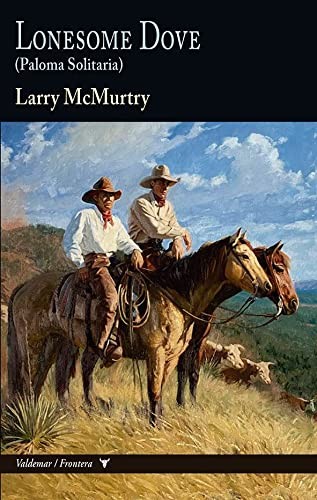
About this book
A sweeping epic of the American West, Larry McMurtry's Lonesome Dove transports you to the untamed frontier of the 1870s. Follow former Texas Rangers Augustus "Gus" McCrae and Woodrow F. Call as they embark on one last grand adventure: a cattle drive from the dusty borderlands of Texas to the promising, yet perilous, plains of Montana.
Haunted by memories and yearning for a life beyond their sleepy Texas town, Gus and Call gather a colorful band of cowboys, adventurers, and misfits. Their journey north is fraught with danger—treacherous rivers, unforgiving landscapes, hostile Native American tribes, and ruthless bandits all test the limits of their courage and resilience.
More than just a Western, Lonesome Dove is a story of friendship, love, loss, and the enduring human spirit. With unforgettable characters and breathtaking prose, McMurtry paints a vivid portrait of a bygone era, exploring the myths and realities of the Wild West and the complex legacy of the men and women who dared to tame it. Prepare to be captivated by this Pulitzer Prize-winning masterpiece—a timeless tale of adventure, heartbreak, and the relentless pursuit of a dream.
Summary of Key Ideas
- •
The Fading Frontier
The End of the Wild West: "Lonesome Dove" poignantly portrays the decline of the traditional Wild West. The characters grapple with the fading frontier, the encroachment of civilization, and the obsolescence of their skills and way of life. The cattle drive to Montana represents a futile attempt to recapture a bygone era, highlighting the inevitable transition from the open range to a more settled and regulated society. This theme is interwoven with the characters' personal struggles to adapt to a changing world, marked by loss, regret, and the realization that their adventurous lives are drawing to a close.
- •
Unbreakable Bonds
The Complexities of Friendship: The deep and enduring friendship between Gus McCrae and Woodrow F. Call serves as the emotional core of the novel. Despite their contrasting personalities and approaches to life, their bond is characterized by loyalty, mutual respect, and a shared history. Their conversations, banter, and unwavering support for each other, even in the face of adversity, exemplify the strength and complexities of male friendship. The novel suggests that these bonds are forged in the crucible of shared experience and are essential for survival, both physically and emotionally, in a harsh and unforgiving world.
- •
Brutal Realism of the West
Unromanticized Western Life: McMurtry subverts the romanticized image of the American West, presenting a realistic and often brutal depiction of frontier life. The novel exposes the hardships, violence, and moral ambiguities inherent in this era. Characters face constant threats from outlaws, Native Americans, and the unforgiving environment. The daily grind of the cattle drive is depicted with unflinching honesty, revealing the physical and emotional toll it takes on the cowboys. This realistic portrayal challenges the idealized narratives of the Wild West, offering a more nuanced and authentic understanding of the period.
- •
Duty vs. Desire
The Allure and Burden of Duty: Captain Woodrow F. Call is driven by a strong sense of duty and responsibility, which often clashes with his personal desires and relationships. His commitment to leading the cattle drive and establishing a settlement in Montana overshadows his ability to express affection and connect with others. This sense of duty, while admirable, also becomes a burden, leading to missed opportunities and personal sacrifices. The novel explores the consequences of prioritizing duty over personal fulfillment and the challenges of balancing these competing demands.
- •
Haunted by the Past
The Enduring Power of Memory: The past haunts many of the characters in "Lonesome Dove," shaping their present actions and influencing their future prospects. Memories of lost loves, past battles, and personal failures drive their decisions and fuel their regrets. The novel suggests that the past is never truly gone, but rather continues to exert a powerful influence on the present. Characters grapple with the consequences of their past choices, seeking redemption or simply trying to make peace with their personal histories.
- •
Quest for Meaning
The Search for Purpose: The cattle drive to Montana can be interpreted as a quest for purpose and meaning in a changing world. The characters, particularly Gus and Call, are searching for a sense of direction and fulfillment in their lives as the traditional frontier fades away. The drive represents an opportunity to escape the stagnation of Lonesome Dove and to create a new beginning in the untamed territory of Montana. However, the journey also reveals the futility of trying to recapture the past and the challenges of finding lasting purpose in a world marked by loss and uncertainty.
- •
The Dance of Love and Loss
Love and Loss: Love, in its various forms—romantic, familial, and platonic—is a recurring theme in "Lonesome Dove." The novel explores the complexities of love, including unrequited affection, lost loves, and the enduring bonds between friends and family. Characters experience both the joy and the pain of love, and loss is a constant presence in their lives. The deaths of loved ones, the dissolution of relationships, and the fading of the frontier all contribute to a pervasive sense of melancholy and the recognition of life's fleeting nature.
- •
Deconstructing Masculinity
Masculinity and its Discontents: The novel examines traditional notions of masculinity, portraying cowboys as strong, stoic, and independent figures. However, it also reveals the limitations and vulnerabilities of this masculine ideal. Characters struggle to express their emotions, often resorting to violence or stoicism to mask their inner turmoil. The novel questions the value of these traditional masculine traits, suggesting that they can lead to emotional isolation and an inability to form meaningful connections with others. It also presents strong female characters who challenge traditional gender roles, demonstrating courage, resilience, and independence in a male-dominated world.
Chapter Recap

About The Author
Larry McMurtry
Main Quotes
"“I hate rude behavior in a man.”"
"“It’s a fine world, though rich in hardships at times.”"
"“When you’re traveling, you are what you are right there and then. People don’t have your past to hold against you. No yesterdays on the road.”"
"“It ain’t dying I’m talking about, it’s living.”"
"“If you want one thing too much it’s likely to be a disappointment.”"
"“The earth is mostly just a boneyard. But pretty in the sunlight.”"
"“You spend your life fighting battles you can't win.”"
"“Better to have him inside you pissing out, than outside you pissing in.”"
"“Myths are কৈreally just stories, of course, but they're stories that matter.”"
"“I see now that the circumstances of one's birth are not relevant. It is what you do with yourself after you are born that determines who you are.”"
Who Should Read This Book
Readers of Western novels and historical fiction
Individuals interested in stories about the American West, cattle drives, and frontier life
Fans of Larry McMurtry's writing style and previous works
Readers who enjoy character-driven narratives and epic sagas
Those who appreciate stories exploring themes of friendship, loyalty, duty, and the challenges of the human condition
Viewers of the "Lonesome Dove" miniseries who want to experience the original book
Readers seeking a lengthy and immersive reading experience
Individuals interested in the history and mythology of the Wild West
Readers who enjoy stories with complex and flawed characters
Those who appreciate a blend of adventure, drama, and humor in their reading material
Book Summaries Like
Lonesome Dove



FAQ

Free Access to LitNotes