




 DISCORD
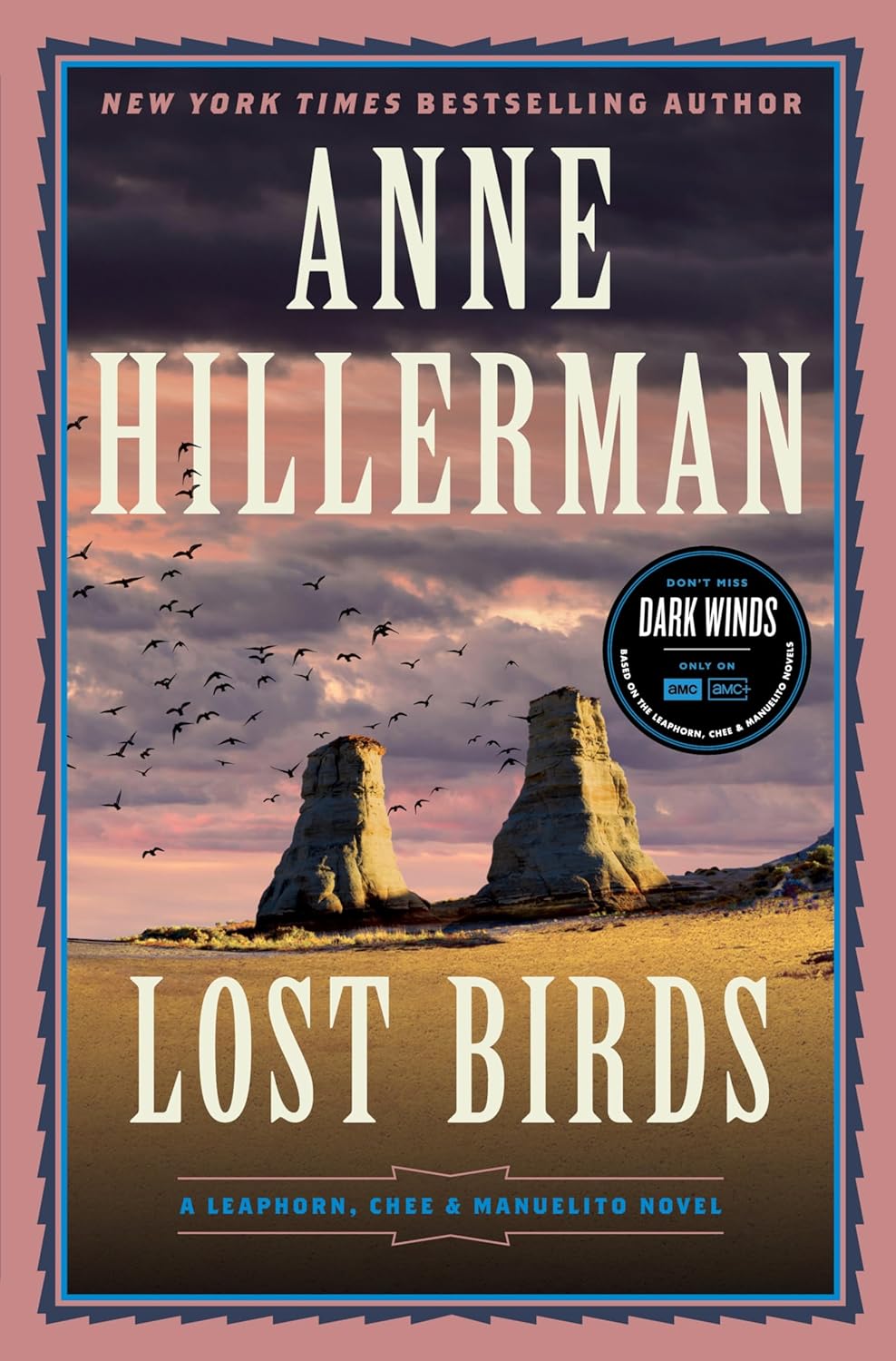
Lost Birds
Anne Hillerman


 Apple Books


 111 Min Reading Time
 Audio Version Available
About this book
In Anne Hillerman's Lost Birds, retired Navajo Tribal Police detective Joe Leaphorn confronts a deeply personal case: a woman raised by a white family seeks the truth of her Diné heritage, armed with only a faded photograph. Leaphorn's investigation unearths unsettling secrets surrounding her adoption, leading him to a long-forgotten trading post and a dangerous legacy of buried family history.
Meanwhile, Leaphorn is pulled into another mystery when an old acquaintance, Cecil Bowleg, vanishes after a desperate phone call abruptly ends with an explosion. Officer Bernadette Manuelito takes on the investigation, uncovering a surprising connection to Cecil’s missing wife.
Bernie also finds herself investigating a more unsettling crime: the brutal killing of an elderly weaver's prized sheep.
As these complex cases intertwine, Hillerman explores themes of identity, family, and the enduring power of tradition, painting a vivid portrait of the American Southwest and the intricate lives of its people.
Summary of Key Ideas
- •
Adoption and Indigenous Identity
The Impact of Adoption on Indigenous Identity: "Lost Birds" delves into the complexities surrounding the adoption of Navajo children by non-Native families. It explores the emotional and cultural challenges faced by individuals who are separated from their heritage and the search for belonging. The story highlights the importance of maintaining cultural connections and understanding the long-term effects of adoption policies on Indigenous communities. This theme underscores the need for sensitivity and awareness in transcultural adoptions, advocating for practices that prioritize the child's cultural identity and connection to their heritage.
- •
The Importance of Cultural Preservation
Preservation of Navajo Culture and Traditions: Hillerman's novel emphasizes the significance of preserving Navajo traditions, language, and way of life. Through the characters' interactions and the mysteries they solve, the book showcases the richness and depth of Navajo culture. It highlights the importance of respecting and understanding Indigenous knowledge, beliefs, and customs. The narrative serves as a reminder of the ongoing efforts to maintain cultural identity in the face of modernization and external influences, promoting cultural pride and continuity.
- •
Connecting with Ancestral Roots
The Healing Power of Connection to Ancestry: A central theme revolves around the quest for roots and the healing that comes from connecting with one's ancestry. The characters' journeys of self-discovery are intertwined with their exploration of family history and cultural heritage. This theme illustrates how understanding one's origins can provide a sense of purpose, identity, and healing from past traumas. It underscores the importance of genealogy and oral traditions in preserving cultural memory and fostering a strong sense of belonging.
- •
Seeking Justice for Native Communities
Justice and Advocacy for Indigenous Communities: "Lost Birds" addresses issues of social justice and advocacy for Indigenous communities. The mysteries often involve crimes committed against Native individuals or threats to their land and resources. The characters actively work to seek justice, protect their community, and advocate for the rights of Indigenous people. This theme highlights the ongoing challenges faced by Native communities and the importance of fighting for equality, sovereignty, and the preservation of their way of life. It also touches upon the complexities of navigating legal systems and cultural differences.
- •
Linking History to the Present
The Interconnectedness of Past and Present: The novel skillfully weaves together historical events and contemporary issues, demonstrating how the past continues to shape the present for Navajo people. By exploring historical injustices and cultural shifts, the story provides context for understanding current challenges and conflicts. This theme emphasizes the importance of learning from history and acknowledging the lasting impact of past events on Indigenous communities. It encourages readers to consider the long-term consequences of policies and actions on cultural identity and social well-being.
- •
Navajo Spirituality and its Influence
The Power of Navajo Spirituality and Beliefs: Navajo spirituality and traditional beliefs play a significant role in the characters' lives and the resolution of mysteries. The book explores the power of ceremonies, traditional healing practices, and the interconnectedness of nature and the spiritual realm. This theme highlights the importance of respecting Indigenous spiritual traditions and understanding their role in maintaining balance and harmony. It also showcases the resilience of Navajo spirituality in the face of cultural change and external pressures.
Chapter Recap

About The Author
Anne Hillerman
Main Quotes
"There's no one alive who hasn't made a mountain of mistakes."
"We all have to figure out how to live with our failures, to shake off the disappointment and try to do better."
"Sometimes the best way to find your own path is to help someone else find theirs."
"You can't fix the world's problems all at once."
"Families aren’t always what you’re born into. Sometimes they’re what you create."
"Water always finds a way."
"The land remembers."
"Every person has their own story, their own reasons."
"Hope is a powerful thing."
"We are all connected, like it or not."
Who Should Read This Book
Fans of Anne and Tony Hillerman's previous Navajo mystery novels.
Readers interested in mysteries set in the American Southwest, particularly the Navajo Nation.
Individuals who enjoy cultural mysteries with a focus on Navajo traditions and beliefs.
Readers who appreciate strong female characters, like Officer Bernadette Manuelito.
Those interested in stories that explore themes of identity, family, and cultural heritage, particularly concerning the "Lost Birds" (Navajo children adopted by non-Navajo families).
General mystery readers looking for engaging and well-written crime fiction.
Book Summaries Like
Lost Birds


FAQ

Free Access to LitNotes