




 DISCORD
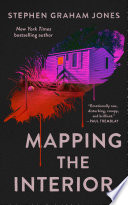
Mapping the Interior
Stephen Graham Jones


 Barnes & Noble Bestsellers


 15 Min Reading Time
 Audio Version Available
About this book
Fifteen-year-old Junior sees his long-dead father in the living room one night. Standing there. Just...standing there. This visitation sets him on a journey to map the interior of his house, a space that now contains more than just his family and their meager possessions.
As Junior navigates the fraught landscape of memory, dream, and nightmare, he’s forced to confront the specters of his past and the reality of his present. Poverty, violence, and the ever-present weight of his father's absence haunt his every step. Part ghost story, part psychological thriller, Mapping the Interior explores the complex grief of a Native boy grappling with unspeakable loss, existential rage, and the monsters that lurk both inside and outside the walls of his home. In a desperate attempt to save his younger brother, Junior must map not just his house, but also the treacherous terrain of his own heart.
Summary of Key Ideas
- •
The Haunting Grip of Grief and Loss
The novella deeply explores the impact of grief and loss on individuals and families. The protagonist, Junior, grapples with the absence of his father, who passed away years prior, and this loss permeates his daily life and perception of reality. The ghost of his father appearing in the house serves as a constant reminder of what has been lost, and the family's struggle to cope with this absence is a central theme. The narrative illustrates how grief can manifest in unexpected ways, blurring the lines between the real and the supernatural, and how it can shape the interior landscape of those left behind, influencing their memories, relationships, and sense of self. The exploration of grief is not just personal but also reflects a collective mourning, potentially tied to cultural and historical losses.
- •
Fathers and Sons: A Legacy of Longing
The story explores the complex relationship between fathers and sons, particularly within the context of Native American culture. Junior's relationship with his deceased father is central to the plot, and the ghost of his father embodies unresolved issues and unspoken feelings. The story examines the challenges of communication and understanding between generations, the weight of expectations, and the enduring impact of a father's legacy on his son's identity. The narrative delves into themes of responsibility, guidance, and the search for paternal approval, even after death. The portrayal of the father-son dynamic is nuanced, revealing both love and resentment, connection and separation, as Junior attempts to come to terms with his father's past and its influence on his present.
- •
Cultural Identity and Heritage
The novella is deeply rooted in Native American culture and identity, exploring themes of heritage, tradition, and the struggle to maintain cultural connections in the face of modern challenges. The characters' experiences are shaped by their Native American background, and the story incorporates elements of indigenous spirituality and folklore. The narrative delves into the complexities of cultural identity, the tension between assimilation and preservation, and the importance of honoring one's ancestors. The setting, characters, and plot are infused with Native American perspectives, offering a unique and authentic portrayal of indigenous life. Through Junior's journey, the story celebrates the resilience and strength of Native American communities while also acknowledging the pain and loss caused by historical injustices and ongoing struggles.
- •
The Blurring of Reality and Illusion
Reality and illusion blur in the narrative, challenging the reader to question what is real and what is not. The presence of the father's ghost raises questions about the nature of existence, the boundaries between life and death, and the power of the human mind to create its own reality. The story plays with perception, using vivid imagery and surreal elements to create a sense of unease and uncertainty. The unreliable narrator further complicates matters, as Junior's own biases and emotional state influence his interpretation of events. The exploration of reality and illusion is not merely a stylistic device but a central theme that reflects the characters' internal struggles and their search for meaning in a world that often defies logic and explanation.
- •
Psychological Horror and Inner Turmoil
The story uses horror elements to explore psychological themes such as trauma, guilt, and fear. The haunting of the house and the presence of the ghost create a sense of dread and suspense, but the true horror lies in the characters' internal struggles. The narrative delves into the dark recesses of the human psyche, exposing hidden anxieties and repressed emotions. The use of supernatural elements serves as a metaphor for the characters' psychological states, reflecting their inner turmoil and their inability to escape the past. The novella is not simply a ghost story but a psychological exploration of the human condition, using horror as a lens to examine the complexities of trauma and the enduring impact of past experiences.
- •
Home as a Haunted Space and State of Mind
The concept of home is explored as both a physical space and a psychological state. The house in the story is more than just a dwelling; it is a repository of memories, a symbol of family history, and a reflection of the characters' inner lives. The haunting of the house represents the intrusion of the past into the present, disrupting the family's sense of security and stability. The characters' relationship to their home is complex, marked by both love and resentment, comfort and unease. The story suggests that home is not simply a place but a state of mind, and that true belonging requires confronting the past and making peace with one's own history. The exploration of home is intertwined with themes of identity, family, and the search for belonging.
Chapter Recap

About The Author
Stephen Graham Jones
Stephen Graham work has been included in The Year's Best Fantasy and Horror, The Best Horror of the Year vol.2, and The Year's Best Dark Fantasy and Horror, and has been a finalist for The Shirley Jackson Award, the International Horror Guild Award, and the Black Quill. Jones grew up in West Texas, Ph.D'd. at Florida State University, and teaches in the MFA program at the University of Colorado at Boulder. *From publisher*
Main Quotes
"Sometimes the truth’s still running circles around the lie."
"That’s what families are, right? Walls, and ceilings."
"I’m all right,” I told her. This is the lie, when you’re twelve. And all the other years, too."
"In death, he had become what he never could in life."
"But that's how it always is, isn't it? That you don't know what you have till you think it's about to be took from you."
"To sleepwalk is to be inhabited, yes, but not by something else, so much. What you’re inhabited by, what’s kicking one foot in front of the other, it’s yourself."
"We don're even get to die in the same century as we were born in."
"This is what it's like to kill everything your father could have been, if only the world hadn't found him, done its thing to him."
"It's just that Indian blood runs slow, you know?"
"I was just a stupid Indian kid who should've been watching where he was going."
Who Should Read This Book
Fans of horror fiction, especially those interested in psychological and supernatural horror
Readers interested in Native American literature and themes
Readers who enjoy coming-of-age stories with dark and unsettling elements
Fans of Stephen Graham Jones's other works
Readers who appreciate novella-length works
Individuals interested in stories exploring grief, memory, and family trauma
Readers who enjoy stories that blend genres, such as horror and literary fiction
Book Summaries Like
Mapping the Interior

FAQ

Free Access to LitNotes