




 DISCORD
Mayan Civilization
Henry Freeman

 Apple Books


 9 Min Reading Time
 Audio Version Available
About this book
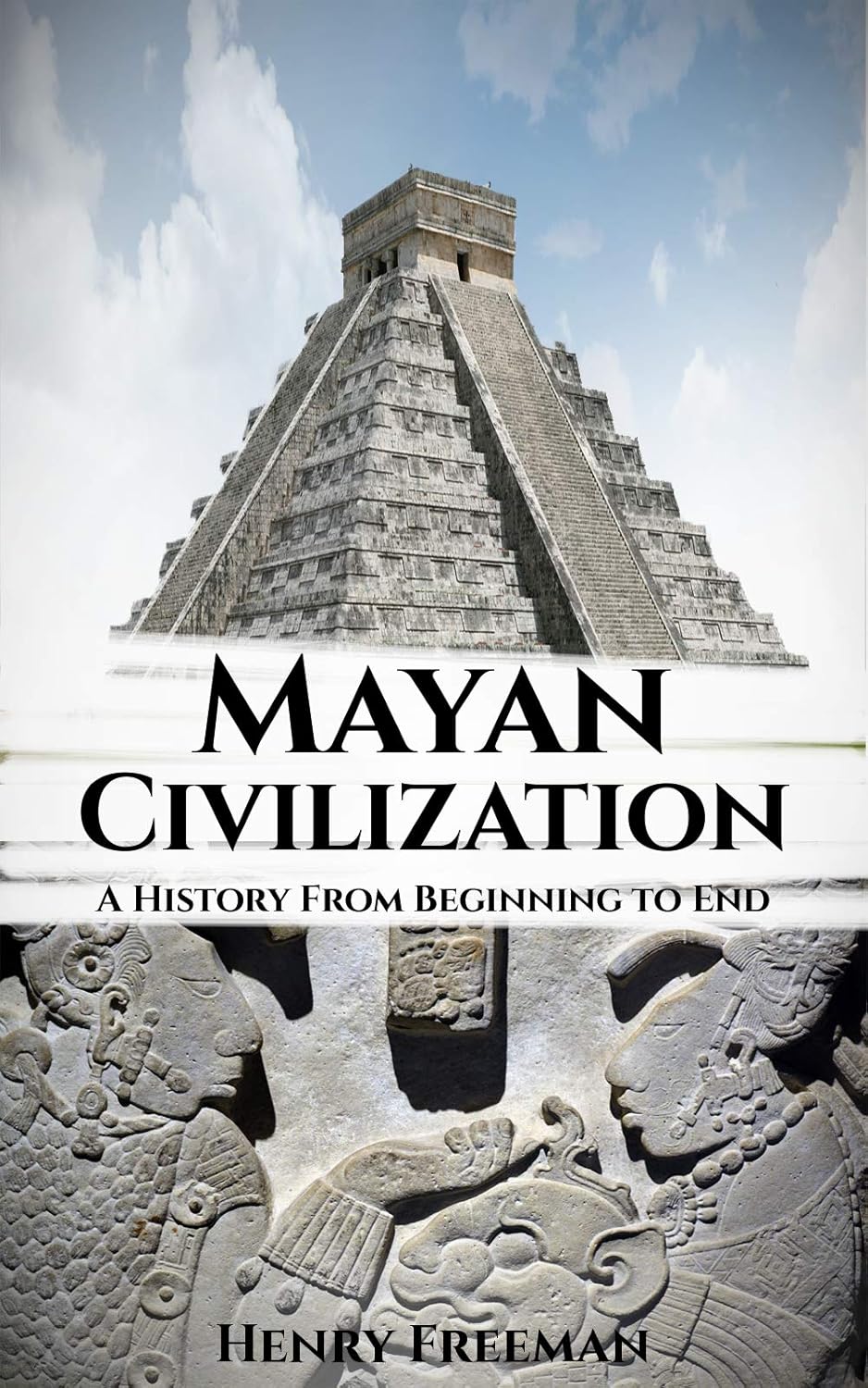
Unearth the mysteries of a lost world in Mayan Civilization: A History from Beginning to End. Delve into the heart of pre-Columbian America and explore the remarkable achievements of the Maya, from their intricate hieroglyphic writing system and sophisticated calendar to their towering pyramids and complex social structures. Journey through the rise and fall of powerful dynasties, unravel the secrets of their religious beliefs and scientific advancements, and witness the grandeur of their cities. This comprehensive account offers a fascinating glimpse into the Maya civilization's enduring legacy, revealing the intricacies of a society that continues to captivate and inspire. Discover the story of a people who grappled with the cosmos on a grand scale, leaving an indelible mark on history.
Summary of Key Ideas
- •
A Cosmos Reflected in Society
The Mayan civilization's perception of a highly structured cosmos deeply influenced their practices and societal organization. They developed complex systems of astronomy and mathematics to understand and predict celestial events, reflecting a profound connection between the earthly and divine realms. This ordered worldview shaped their architecture, religious rituals, and social hierarchy. Mayan society was not just about daily survival; it was an attempt to mirror the perceived cosmic order in their earthly existence, giving meaning and purpose to their lives. The cyclical nature of time and the interconnectedness of all things were central to their beliefs, guiding their actions and decisions.
- •
Religion as a Way of Life
The Mayan civilization's approach to religion was intricately woven into the fabric of their daily lives, influencing everything from agriculture to governance. They worshipped a pantheon of gods and goddesses, each with specific roles and responsibilities in the cosmic order. Rituals and ceremonies were performed to appease these deities, ensure successful harvests, and maintain social harmony. Sacrifice, both of animals and humans, played a significant role in their religious practices, serving as a means of communication with the divine and a way to sustain the balance of the universe. The rulers often served as intermediaries between the people and the gods, reinforcing their power and legitimacy.
- •
A Structured Social Hierarchy
Mayan society was rigidly stratified, with a clear hierarchy that dictated roles and responsibilities. At the top were the rulers, who were considered divine and held absolute power. Below them were priests, nobles, and warriors, who controlled religious practices, administration, and defense. Artisans, merchants, and scribes formed the middle class, contributing to the economy and cultural development. At the bottom were farmers and laborers, who provided the essential resources that sustained the civilization. Social mobility was limited, and each class had specific duties to perform for the overall well-being of society. This structured system ensured stability and order, but also created inequalities and limited opportunities for advancement.
- •
Scientific and Technological Innovations
The Mayan civilization made significant advancements in science and technology, particularly in astronomy, mathematics, and writing. They developed a sophisticated calendar system that accurately tracked time and predicted celestial events. Their understanding of mathematics allowed them to construct monumental architecture and manage complex agricultural systems. The Mayan writing system, hieroglyphics, was used to record historical events, religious beliefs, and scientific knowledge. These achievements demonstrate the intellectual prowess of the Mayan people and their ability to adapt and innovate in response to their environment. Their legacy continues to inspire and inform our understanding of ancient civilizations.
- •
Warfare and Political Intrigue
The Mayan civilization was characterized by frequent warfare between competing city-states. These conflicts were often driven by territorial disputes, resource scarcity, and political rivalries. Warfare played a crucial role in shaping Mayan society, influencing its political structure, military organization, and artistic expression. Captives taken during battles were often sacrificed to the gods, reinforcing the rulers' power and legitimacy. The constant state of warfare also led to the development of defensive strategies, such as the construction of fortified cities and the establishment of alliances. Understanding the dynamics of Mayan warfare is essential to understanding the complex political landscape of the Mayan world.
- •
The Enigmatic Decline
The decline of the Mayan civilization remains a subject of debate among historians and archaeologists. Various factors have been proposed, including environmental degradation, overpopulation, warfare, and climate change. Deforestation and soil erosion may have led to agricultural decline, making it difficult to sustain the growing population. Constant warfare between city-states likely destabilized the region, disrupting trade and agriculture. Droughts and other climate events may have further exacerbated these problems, leading to widespread famine and social unrest. The combination of these factors ultimately contributed to the collapse of the Mayan civilization, highlighting the fragility of even the most advanced societies.
Chapter Recap

About The Author
Henry Freeman
Main Quotes
"The Maya did not emerge from the lost tribes of Israel or Atlantis. Instead, based on what archaeology tells us, they came from the very soil of Mesoamerica."
"We may shed a tear from nostalgia"
"the attempts to rebuild the world of the Maya as they saw it are numerous and fascinating when connected"
Who Should Read This Book
Individuals interested in Mesoamerican history and archaeology
Readers seeking an introductory overview of Mayan civilization
Students studying ancient civilizations or anthropology
People curious about pre-Columbian cultures and societies
Readers interested in the history of religion, science, and society in ancient civilizations
General history enthusiasts
Book Summaries Like
Mayan Civilization
FAQ

Free Access to LitNotes