




 DISCORD
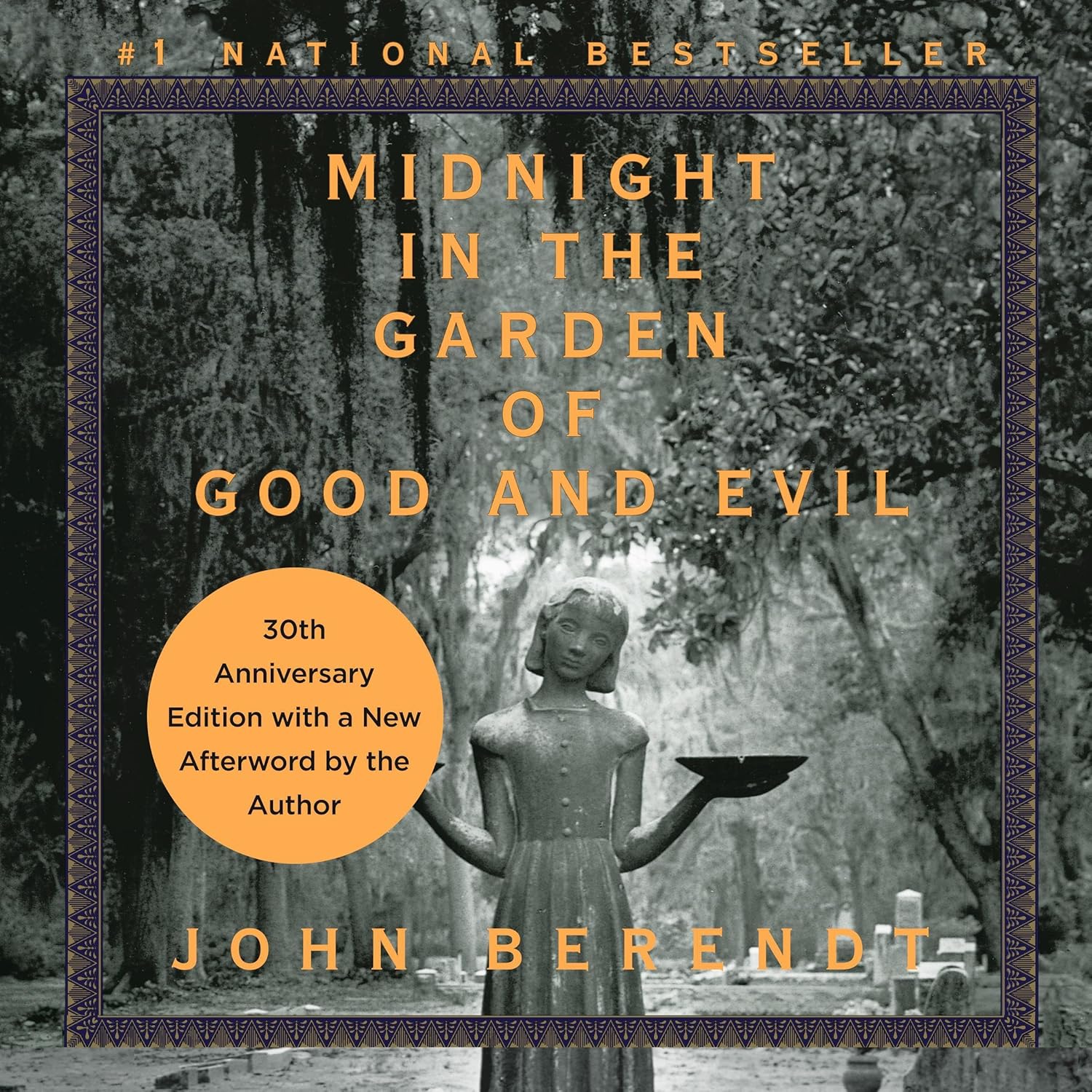
Midnight in the Garden of Good and Evil
John Berendt


 Amazon Best Sellers
 Apple Books


 107 Min Reading Time
 Audio Version Available
About this book
Step into Savannah, Georgia, a city draped in Spanish moss and steeped in Southern charm, where secrets linger in the sultry air and the line between good and evil blurs with the stroke of midnight. John Berendt's mesmerizing narrative plunges you into the heart of this enigmatic city, where eccentric personalities and captivating mysteries intertwine.
At the center of it all is Jim Williams, a respected antiques dealer, standing accused of murder. As Berendt navigates the intricate web of Savannah society, he encounters a cast of unforgettable characters: voodoo priestesses, flamboyant drag queens, and aristocratic socialites, each holding a piece of the puzzle.
More than just a true crime story, Midnight in the Garden of Good and Evil is a journey into the soul of a city, exploring themes of reputation, deception, and the seductive power of place. With its vivid prose and unforgettable characters, this New York Times bestseller is a haunting and humorous masterpiece that will leave you spellbound long after you turn the final page.
Summary of Key Ideas
- •
Savannah as a Character
The Allure of Savannah: Berendt masterfully captures the essence of Savannah, Georgia, portraying it as a character in itself. He reveals its unique blend of Southern charm, eccentricity, and decay, making it a place where social conventions are blurred and the past lingers heavily in the present. Savannah’s rich history, architectural beauty, and vibrant personalities contribute to its irresistible allure, drawing the reader into its captivating atmosphere. This setting shapes the narrative and influences the actions of its inhabitants, highlighting the city's role in fostering both good and evil.
- •
Moral Ambiguity
The Murky Boundaries of Good and Evil: The book explores the complex interplay between good and evil, suggesting that these concepts are not always clear-cut. The characters often operate in moral gray areas, challenging the reader to question conventional notions of right and wrong. Jim Williams, the central figure, embodies this ambiguity, as he is both a respected antiques dealer and a suspected murderer. This theme permeates the narrative, prompting reflection on the subjective nature of morality and the circumstances that can blur the lines between virtue and vice.
- •
Embracing Eccentricity
Social Eccentricity and Acceptance: Savannah is depicted as a haven for unconventional individuals, where eccentricity is not only tolerated but celebrated. The book introduces a cast of memorable characters, each with their unique quirks and eccentricities, who find acceptance within the city's tolerant social fabric. Figures like The Lady Chablis, a transgender performer, and Minerva, a root doctor, highlight Savannah's open-mindedness and its willingness to embrace diversity. This acceptance of the unusual contributes to the city's charm and distinguishes it from more conventional settings.
- •
Social Standing's Influence
The Power of Reputation and Social Standing: Social standing plays a crucial role in shaping perceptions and influencing outcomes within Savannah's close-knit community. Jim Williams's prominent position in society affects how he is viewed by the legal system and his peers, impacting the investigation and trial surrounding the murder. The book illustrates how reputation can provide a shield against scrutiny, but also how it can crumble under the weight of suspicion and scandal. This theme underscores the importance of social connections and the influence they wield in shaping individual destinies.
- •
Outsider Looking In
The Intrusion of the Outsider: John Berendt, as an outsider, navigates the intricate social landscape of Savannah, providing a unique perspective on its customs and traditions. His experiences highlight the challenges and rewards of entering a closed community, as he gradually earns the trust of its residents and gains access to their secrets. The book explores the dynamic between the outsider and the insider, revealing how both perspectives can illuminate the complexities of a particular culture.
- •
Questioning Justice
Justice and Its Many Facets: The legal proceedings surrounding the murder trial raise questions about the nature of justice and its fallibility. The repeated trials, appeals, and courtroom dramas expose the imperfections of the judicial system and the potential for bias and manipulation. The book prompts readers to consider whether justice is truly blind or whether it is influenced by factors such as race, class, and social connections. This exploration of the legal process adds a layer of suspense and intrigue to the narrative, while also provoking thought about the pursuit of truth and fairness.
- •
Unveiling Secrets
Secrets and Hidden Truths: Beneath Savannah's genteel facade lie a web of secrets and hidden truths that gradually come to light throughout the book. The characters often conceal their true motives and identities, creating an atmosphere of intrigue and suspicion. The uncovering of these secrets reveals the complexities of human nature and the lengths to which people will go to protect their reputations and maintain their social standing. This theme of concealed truths drives the narrative forward, keeping the reader engaged and invested in the unfolding drama.
- •
Mysticism and Gullah Traditions
The Supernatural and Gullah Culture: The presence of root doctors and Gullah traditions introduces a supernatural element to the narrative, blurring the line between reality and the mystical. Minerva's rituals and spells reflect the enduring influence of African spiritual practices in Savannah, adding a layer of cultural richness and complexity to the story. The book explores the interplay between belief and skepticism, challenging the reader to consider the power of faith and the potential for forces beyond human comprehension. This theme enhances the sense of mystery and otherworldliness that permeates the narrative.
Chapter Recap

About The Author
John Berendt
The son of two writers, John Berendt grew up in Syracuse, New York. He earned a B.A. in English from Harvard University, where he worked on the staff of The Harvard Lampoon. After graduating in 1961, he moved to New York City to pursue a career in publishing. He was editor of New York magazine from 1977 to 1979, and wrote a monthly column for Esquire from 1982 to 1994.
Main Quotes
"You mustn't be taken in by the moonlight and magnolias. There's more to Savannah than that. Things can get very murky."
"Rule number one: Always stick around for one more drink. That's when things happen. That's when you find out everything you want to know."
"Savannah is a beautiful woman with a dirty face."
"Time works differently in Savannah."
"Everything in Savannah is a secret, and everything is public."
"In Savannah, the dead do not stay dead."
"Homosexuality is rampant, though largely invisible. It's like the plumbing: no one wants to see it, but it's there."
"The statue was the very essence of the cemetery: white, gleaming, and celestial."
"What I enjoy most…is living like an aristocrat without the burden of having to be one. Blue bloods are so inbred and weak."
"She was a walking argument for the complete separation of church and state."
Who Should Read This Book
Readers interested in true crime
People fascinated by the American South, particularly Savannah, Georgia
Travel enthusiasts seeking armchair travel experiences
Readers who enjoy character-driven narratives
Those interested in Southern Gothic literature
Individuals intrigued by stories of eccentric personalities and social dynamics
Fans of literary journalism and non-fiction novels
Readers who appreciate atmospheric and descriptive writing
People interested in legal dramas and courtroom proceedings
Book Summaries Like
Midnight in the Garden of Good and Evil


FAQ

Free Access to LitNotes