




 DISCORD
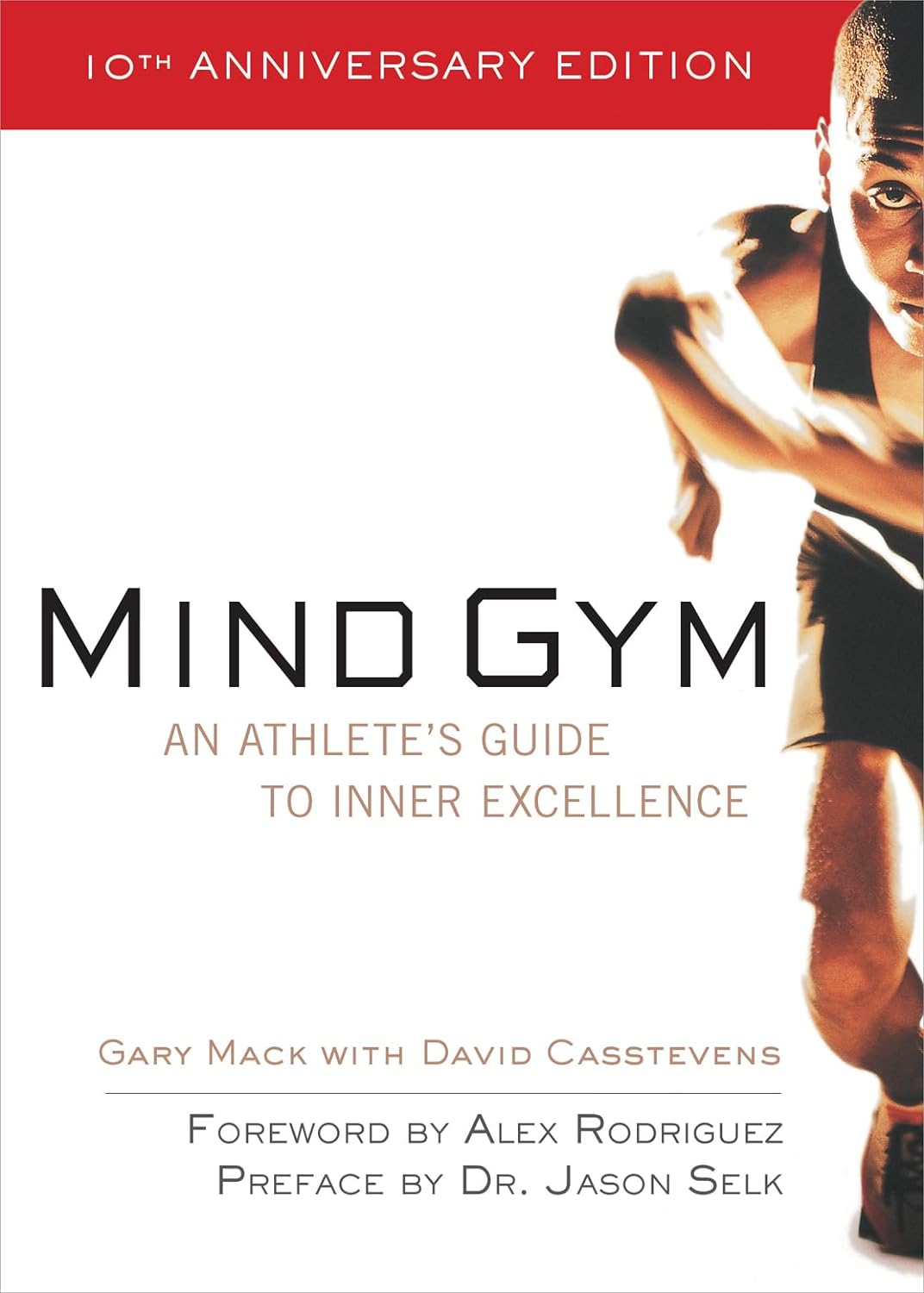
Mind Gym : An Athlete's Guide to Inner Excellence
Gary Mack, David Casstevens


 Apple Books


 38 Min Reading Time
 Audio Version Available
About this book
Unlock your full athletic potential with Mind Gym: An Athlete's Guide to Inner Excellence. Written by renowned sports psychology consultant Gary Mack and David Casstevens, this book isn't about physical prowess, but the mental game that separates good athletes from champions.
Mind Gym provides accessible tools and techniques to cultivate a champion's mindset. Learn how to build unwavering self-belief, focus your concentration, and overcome mental obstacles that hinder peak performance. Through engaging anecdotes and practical exercises, you'll discover how to take control of your thoughts and emotions, transforming pressure into fuel for success.
Whether you're a seasoned professional or an aspiring athlete, Mind Gym will equip you with the mental skills necessary to consistently perform at your best, achieve your goals, and experience the profound satisfaction of inner excellence. Prepare to revolutionize your game from the inside out.
Summary of Key Ideas
- •
Cultivate a Champion's Mindset
Cultivating a Champion's Mindset: This key idea emphasizes that attitude is paramount for success. It's not just about physical prowess but also about developing a mental approach that fosters confidence, resilience, and a positive outlook. This involves training your mind to think like a champion, believing in your abilities, and approaching challenges with a winning mentality. A champion's mindset allows athletes to overcome obstacles, perform under pressure, and consistently strive for excellence, regardless of setbacks. It's about maintaining focus, staying determined, and viewing every situation as an opportunity for growth.
- •
Master Visualization Techniques
Harnessing Visualization and Mental Rehearsal: This idea revolves around the power of mentally simulating successful performance. By vividly imagining yourself executing plays flawlessly, overcoming challenges, and achieving your goals, you create a mental blueprint for success. Mental rehearsal helps build confidence, refine technique, and prepare you for various scenarios you might encounter during competition. It allows you to practice without physical strain, reinforcing positive patterns and reducing anxiety. Regularly visualizing success can significantly enhance actual performance by programming your mind and body to work in harmony.
- •
Set SMART Goals
Goal Setting for Success: Effective goal setting is about defining clear, measurable, achievable, relevant, and time-bound (SMART) objectives. These goals provide direction, motivation, and a framework for progress. Breaking down larger goals into smaller, manageable steps makes the overall objective less daunting and more attainable. This incremental approach helps maintain focus and provides a sense of accomplishment along the way. Regularly reviewing and adjusting goals ensures they remain aligned with your aspirations and circumstances, fostering a proactive and adaptable approach to achieving excellence.
- •
Develop Mental Toughness
Embracing Mental Toughness: Mental toughness involves developing resilience, discipline, and the ability to persevere through adversity. It's about staying focused and composed under pressure, maintaining a positive attitude in challenging situations, and bouncing back from setbacks. Mental toughness enables athletes to push their limits, overcome obstacles, and perform at their best when it matters most. It requires cultivating self-discipline, managing emotions effectively, and maintaining unwavering belief in one's abilities, regardless of external circumstances. It is developed through consistent effort, facing challenges head-on, and learning from both successes and failures.
- •
Overcome Fear of Failure
Conquering the Fear of Failure: Fear of failure can be a major obstacle to achieving peak performance. Overcoming this fear involves reframing failure as a learning opportunity rather than a reflection of inadequacy. By accepting that setbacks are inevitable and focusing on the process of improvement, athletes can reduce anxiety and perform with greater freedom. This mindset encourages risk-taking, experimentation, and a willingness to push beyond comfort zones. Embracing failure as a stepping stone to success allows athletes to learn from their mistakes, adapt their strategies, and ultimately achieve their full potential.
- •
Believe in Your Potential
Believing in Yourself: Self-belief is the cornerstone of athletic achievement. Confidence in one's abilities, skills, and preparation is essential for performing at your best. This involves recognizing your strengths, focusing on your accomplishments, and maintaining a positive self-image. Cultivating self-belief requires consistent effort, positive self-talk, and a willingness to challenge negative thoughts. When you believe in yourself, you are more likely to take risks, persevere through challenges, and achieve your goals. Self-belief empowers athletes to unlock their full potential and perform with unwavering conviction.
Chapter Recap

About The Author
Gary Mack
Main Quotes
"Discipline. It means doing what you have to do when you need to do it, whether you want to do it or not."
"Believing in yourself is paramount to success for any athlete."
"Adversity is an opportunity to measure yourself."
"The mind works most effectively when you're telling it what to do rather than what not to do."
"To get the head edge, try creating your own mind gym, [an imaginary place] where you can work out all of your mental muscles."
"Confidence comes from expectation."
"Concentration is the ability to think about absolutely nothing when it is absolutely necessary."
"You get what your mind sets."
"Talent being equal, players with a positive, optimistic attitude will outperform those with a negative, pessimistic one."
"Don't think about what you don't want to have happen. Think about what you do want to have happen."
Who Should Read This Book
Athletes of all levels and sports
Coaches and trainers
Sports psychology enthusiasts
Individuals seeking mental toughness and performance enhancement strategies
Individuals interested in self-improvement and personal growth
Readers interested in sports-related topics
High school and college students involved in athletics
Parents of young athletes
Business professionals seeking to apply mental strategies to their careers
Book Summaries Like
Mind Gym : An Athlete's Guide to Inner Excellence



FAQ

Free Access to LitNotes