




 DISCORD
Mindhunter
John E. Douglas


 Amazon Best Sellers
 Apple Books


 80 Min Reading Time
 Audio Version Available
About this book
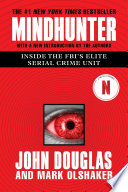
Enter the minds of monsters with FBI Special Agent John Douglas, the pioneering criminal profiler who hunted the most notorious serial killers in history. The inspiration for Jack Crawford in The Silence of the Lambs and star of the hit Netflix series Mindhunter, Douglas spent twenty-five years delving into the darkest corners of the human psyche.
In this gripping true crime classic, Douglas recounts his chilling encounters with Charles Manson, Ted Bundy, the Atlanta child murderer, and other infamous killers. Using his unique ability to inhabit the minds of both predator and prey, he revolutionized criminal investigation, developing techniques to analyze crime scenes, predict killers' next moves, and ultimately bring them to justice.
Mindhunter is a terrifying and mesmerizing journey into the heart of darkness, offering an unprecedented look at the origins of behavioral science and the relentless pursuit of justice in the face of unimaginable evil.
Summary of Key Ideas
- •
Pioneering Criminal Profiling
The Birth of Criminal Profiling: 'Mindhunter' details the genesis of criminal profiling within the FBI. John Douglas pioneered the technique of interviewing serial killers to understand their motives, behaviors, and psychological drivers. This approach was revolutionary, shifting the focus from solely examining crime scenes to delving into the minds of the perpetrators. Douglas's work laid the foundation for modern criminal profiling, which is now a standard practice in law enforcement worldwide. The book illustrates how this approach helps investigators narrow down suspect lists, predict future actions, and ultimately catch elusive criminals.
- •
Decoding the Criminal Psyche
The Importance of Understanding the Criminal Mind: A central theme of 'Mindhunter' is the need to comprehend the psychological underpinnings of criminal behavior. Douglas emphasizes that by understanding what motivates serial killers, investigators can better anticipate their actions and develop effective strategies for apprehending them. This involves exploring the killers' backgrounds, childhood traumas, and patterns of thinking. The book highlights the idea that criminal behavior is not random but often stems from deep-seated psychological issues.
- •
The Power of Empathetic Investigation
Empathy as an Investigative Tool: While seemingly counterintuitive, 'Mindhunter' reveals how empathy can be a crucial tool for investigators. Douglas explains that by putting himself in the shoes of both the killer and the victim, he could gain a deeper understanding of the crime. This ability to empathize, not sympathize, allowed him to reconstruct crime scenes, anticipate the killer's next moves, and ultimately build a profile that could lead to their capture. However, the book also acknowledges the psychological toll this takes on the investigator.
- •
Adapting to the Criminal Landscape
The Evolution of Investigative Techniques: 'Mindhunter' charts the evolution of investigative techniques used by the FBI's Behavioral Science Unit. Douglas recounts how traditional methods often failed to capture serial killers and how the development of psychological profiling offered a new and more effective approach. The book showcases the iterative process of refining these techniques through real-world cases, highlighting both successes and failures. This evolution underscores the importance of adapting to new challenges in law enforcement.
- •
The Psychological Toll on Investigators
The Human Cost of Hunting Monsters: Douglas doesn't shy away from depicting the emotional and psychological toll that investigating serial killers takes on law enforcement professionals. 'Mindhunter' explores the personal sacrifices, nightmares, and anxieties that come with confronting unimaginable evil. The book underscores the importance of providing support and resources for investigators who are exposed to such trauma, recognizing that their mental well-being is essential for effective crime-solving.
- •
Questioning the Status Quo
Challenging Conventional Wisdom: 'Mindhunter' challenges conventional wisdom about criminal behavior and law enforcement. Douglas often encountered skepticism and resistance from colleagues who were accustomed to traditional investigative methods. The book highlights the importance of questioning established norms and embracing new approaches in the pursuit of justice. It celebrates the courage of those who dare to think differently and challenge the status quo.
- •
Nature vs. Nurture in Criminal Behavior
The Interplay of Nature and Nurture: The book delves into the complex interplay of nature and nurture in shaping criminal behavior. While acknowledging that some individuals may be predisposed to violence, 'Mindhunter' emphasizes the significant role of environmental factors, such as childhood abuse, neglect, and social influences. This understanding helps to paint a more nuanced picture of the serial killer, moving beyond simplistic explanations and promoting a more holistic approach to prevention and intervention.
- •
Decoding Clues from the Crime Scene
The Importance of Crime Scene Analysis: 'Mindhunter' underscores the significance of meticulous crime scene analysis in building a criminal profile. Douglas emphasizes that every detail, no matter how seemingly insignificant, can provide valuable clues about the killer's motives, methods, and personality. The book illustrates how a thorough examination of the crime scene, combined with an understanding of criminal psychology, can lead investigators to the perpetrator.
Chapter Recap

About The Author
John E. Douglas
Main Quotes
"Behavior reflects personality."
"The best indicator of future violence is past violence."
"To understand the "artist," you must study his "art.""
"The crime must be evaluated in its totality."
"We're all vulnerable. It doesn't matter how much you know, how experienced you are, how many suspect interrogations you've handled successfully."
"Put yourself in the position of the hunter."
"Predators may look and sound and often act like we do, but they don't think like we do. Their logical process is completely different."
"No one suddenly becomes a child abuser... or anything else. There is always evolutionary behavior, a pattern of thought and act."
"To know the offender, you have to look at the crime."
"It isn't always easy, and it's never pleasant, putting yourself in these guys' shoes — or inside their heads."
Who Should Read This Book
True crime enthusiasts
Readers interested in criminal psychology and profiling
FBI and law enforcement professionals and students
Individuals fascinated by serial killers and their motives
Readers of biographies and memoirs, especially those focused on careers in law enforcement
Fans of the "Mindhunter" Netflix series
Readers interested in the history of the FBI's Behavioral Science Unit
General audiences interested in understanding the criminal mind
Book Summaries Like
Mindhunter




FAQ

Free Access to LitNotes