




 DISCORD
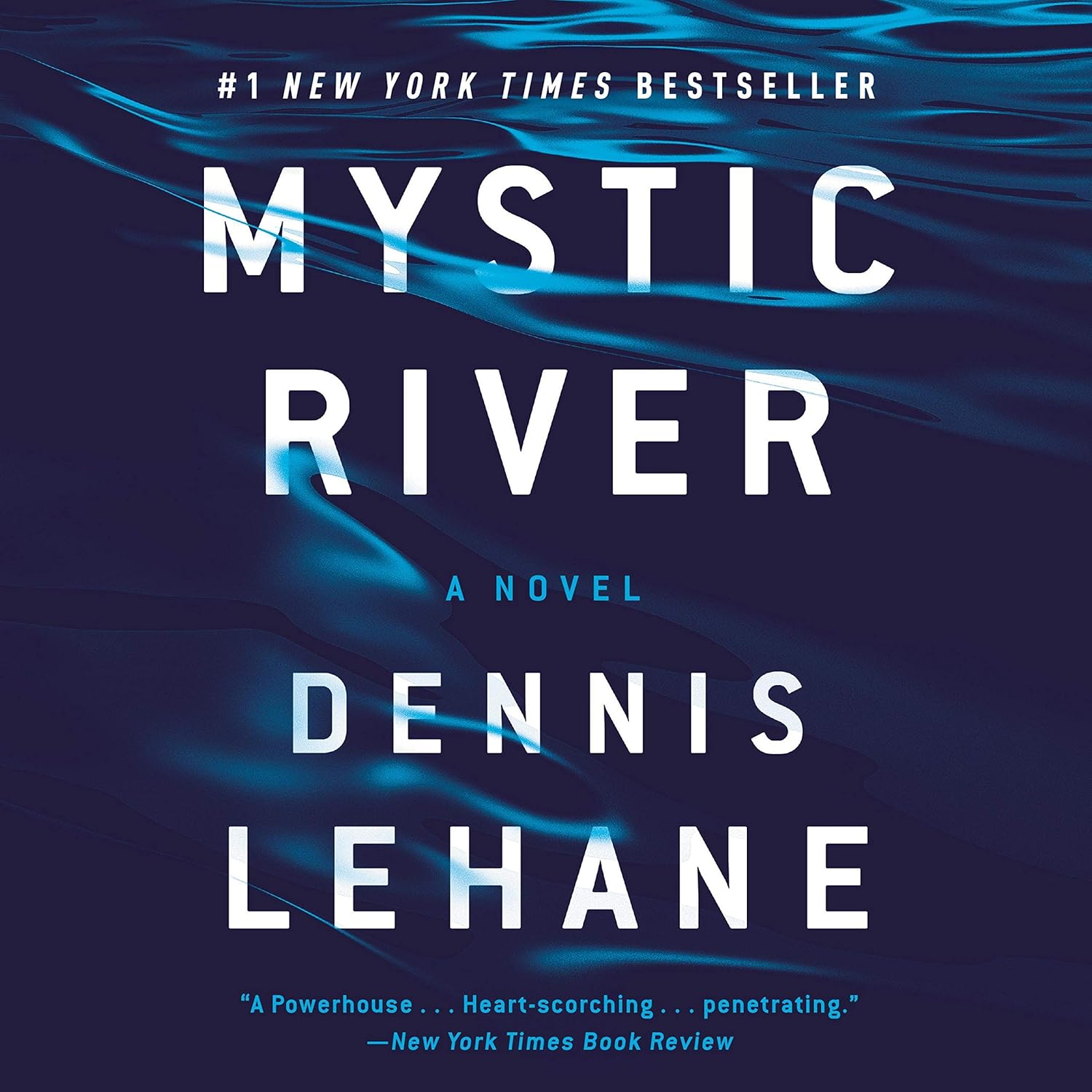
Mystic River
Dennis Lehane


 Apple Books


 140 Min Reading Time
 Audio Version Available
About this book
When Jimmy Marcus's daughter is found murdered, the dark secrets of his past resurface, threatening to consume him. Haunted by a childhood trauma they thought they had buried, Jimmy and his childhood friends, Sean Devine, now a state police detective assigned to the case, and Dave Boyle, a quiet man with a shadowy past, find themselves entangled in a web of suspicion, revenge, and devastating consequences.
Set against the gritty backdrop of working-class Boston, Mystic River is a chilling psychological thriller and a heartbreaking exploration of friendship, loyalty, and the lasting impact of childhood trauma. As Sean investigates the murder, the lives of these three men intertwine once more, forcing them to confront the unresolved demons of their past. With each revelation, the bonds of brotherhood are tested, and the river that once connected them threatens to drown them all in a torrent of guilt and despair. Dennis Lehane masterfully weaves a tale of suspense, where the lines between right and wrong blur, and the desperate search for truth unearths a darkness that will forever haunt the mystic river.
Summary of Key Ideas
- •
The Enduring Scars of Childhood Trauma
The novel explores the profound and lasting effects of childhood trauma. The abduction and abuse of Dave Boyle as a child casts a long shadow over his entire life and the lives of his friends, Jimmy and Sean. This single event shapes their personalities, relationships, and the choices they make, ultimately leading to tragic consequences. The inability to fully escape the past is a central theme, highlighting how deeply ingrained childhood experiences can be and how they can resurface in unexpected and destructive ways. This trauma not only affects Dave directly, but also ripples outwards, impacting his relationships with his wife, Celeste, and his childhood friends. The novel suggests that some wounds never truly heal, and the past can continue to haunt individuals and communities for generations.
- •
The Fractured Bonds of Friendship
Friendship and loyalty are tested to their limits in 'Mystic River.' The bond between Jimmy, Sean, and Dave, forged in childhood, is strained by the tragic events that unfold. As adults, their allegiances are challenged by suspicion, grief, and the need for justice. Jimmy's fierce loyalty to his family clashes with Sean's duty as a police officer, while Dave's haunted past makes him the prime suspect, creating a rift between them. The novel explores the complexities of these relationships, questioning the true meaning of friendship and whether loyalty should always outweigh the pursuit of truth. The characters grapple with conflicting emotions as they try to reconcile their shared history with the present circumstances, ultimately revealing the fragility of even the strongest bonds.
- •
Justice vs. Revenge: A Blurred Line
The pursuit of justice and the desire for revenge are major driving forces in the narrative. When Jimmy's daughter is murdered, his immediate reaction is to seek vengeance, blurring the lines between justice and personal retribution. He is driven by a primal need to avenge his child's death, even if it means taking the law into his own hands. Sean, as a police officer, represents a more measured approach to justice, but he too is influenced by his personal connection to the case and his loyalty to his friends. The novel raises questions about the nature of justice, exploring whether true justice can be achieved through violence and whether revenge ultimately brings closure or perpetuates a cycle of violence. The characters' choices highlight the moral ambiguities inherent in the pursuit of justice when driven by grief and anger.
- •
The Weight of Unresolved Guilt
'Mystic River' delves into the theme of guilt and its corrosive effects on the human psyche. Dave, burdened by the trauma of his past abduction and a subsequent act of violence, carries a heavy burden of guilt that isolates him from others. Celeste, torn between her love for Dave and her suspicion of his involvement in Katie's murder, grapples with her own guilt over betraying him. Even Jimmy, despite his outward show of strength, is haunted by his past actions and the choices he has made. The novel suggests that guilt can be a powerful and destructive force, leading to self-destructive behavior and the erosion of relationships. The characters' inability to confront their guilt directly contributes to the overall tragedy, highlighting the importance of acknowledging and addressing past transgressions.
- •
The Influence of Environment and Community
The story is deeply rooted in its setting, a working-class Irish-American neighborhood in Boston. The close-knit community, with its strong sense of tradition and unspoken rules, plays a significant role in shaping the characters' lives and influencing their actions. The 'Mystic River' itself becomes a symbol of the past, a place where secrets are buried and memories linger. The novel explores the impact of environment on individuals, suggesting that social and economic factors can contribute to a cycle of violence and despair. The characters are products of their environment, shaped by the values and limitations of their community. This sense of place adds depth and authenticity to the story, highlighting the challenges faced by those living in marginalized communities.
- •
Fate vs. Free Will: Navigating Destiny
Fate and free will are intertwined throughout the novel, raising questions about the extent to which individuals control their own destinies. The characters' lives seem to be predetermined by past events and circumstances beyond their control. Dave's abduction, Jimmy's criminal past, and Sean's chosen profession all contribute to a sense of inevitability. However, the characters also make choices that shape their own fates, suggesting that they are not simply puppets of destiny. The novel explores the tension between these two forces, questioning whether individuals are ultimately responsible for their actions or whether they are simply victims of circumstance. The ambiguity surrounding fate and free will adds to the overall sense of tragedy, leaving the reader to ponder the extent to which the characters could have altered their paths.
Chapter Recap

About The Author
Dennis Lehane
Dennis Lehane is an American author. He has published more than a dozen novels; the first several were a series of mysteries featuring recurring characters, including *A Drink Before the War*. Four of his novels were adapted into award-wining films of the same names: *Mystic River* (2003), *Shutter Island* (2010), and *Gone Baby Gone* (2007) and *Live by Night* (2016). [*--Wikipedia*](https://en.wikipedia.org/wiki/Dennis_Lehane)
Main Quotes
"We bury things so deep we can not find them ourselves."
"Sometimes a moment is so close to what you've always dreamed of, you don't even recognize it."
"People were stupid. They killed each other over the dumbest things."
"It was knowing how stupid they really were that was a cop's best weapon. Let them talk."
"Life isn't happily ever after... It's work. The person you love is rarely worthy of how big your love is."
"There are no crimes that cannot be forgiven."
"He believed in himself, even when others didn't."
"Guilt's a hunter."
"Kids are smart. They know when they're being lied to."
"That was the problem with guilt: It didn't go away when you asked it to."
Who Should Read This Book
Readers of crime fiction
Readers interested in thrillers and mystery novels
Fans of Dennis Lehane's other works
Readers who enjoy dark, suspenseful stories
Individuals interested in stories set in working-class Boston neighborhoods
Readers of psychological thrillers
Those who appreciate character-driven narratives
People interested in themes of trauma, guilt, and redemption
Moviegoers who enjoyed the film adaptation
Readers who like literary fiction with elements of crime and suspense
Book Summaries Like
Mystic River


FAQ

Free Access to LitNotes