




 DISCORD
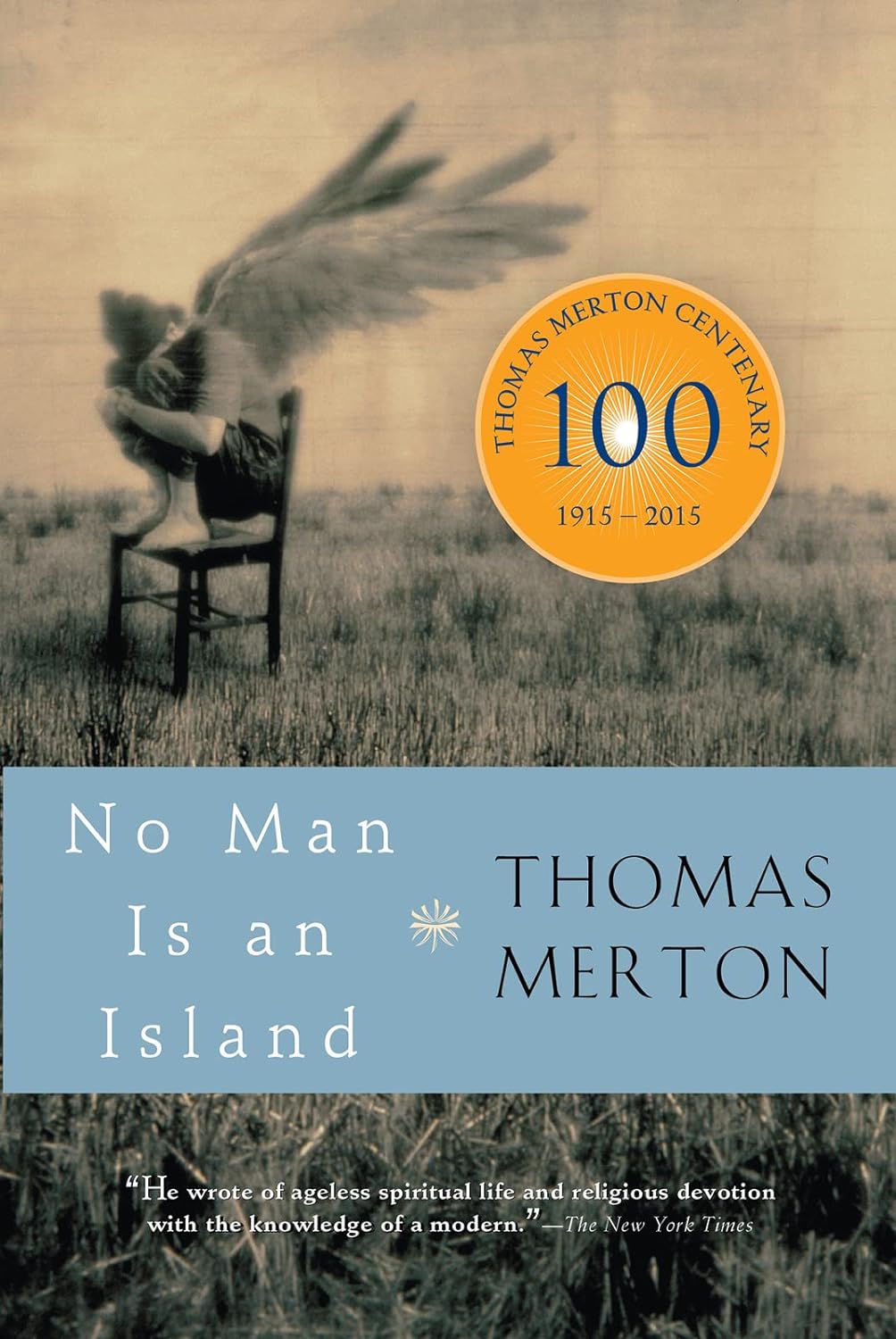
No Man is an Island
Thomas Merton


 Apple Books


 66 Min Reading Time
 Audio Version Available
About this book
In No Man Is an Island, Thomas Merton, the renowned Trappist monk and author of The Seven Storey Mountain, offers a timeless collection of essays for those yearning for spiritual depth and meaning. With compassion and wisdom, Merton explores the path to enduring values, true fulfillment, and a richer, more meaningful existence.
In sixteen inspiring essays, including the classic "Love Can Be Kept Only by Being Given Away," Merton delves into the heart of human spirituality, reflecting on themes of love, hope, silence, solitude, and the profound interconnectedness that binds us. He tackles the challenges of temptation, humility, and spiritual loneliness, offering guidance for living a courageous and authentic life, whether in solitude or community.
A powerful and accessible exploration of the spiritual journey, No Man Is an Island invites readers to discover the transformative potential within themselves and to find solace and inspiration in Merton's enduring wisdom.
Summary of Key Ideas
- •
Interconnectedness of Humanity
The core message of "No Man Is an Island" is that every individual is interconnected and dependent on others. Merton emphasizes that our identities and spiritual growth are deeply influenced by our relationships and responsibilities towards one another. Drawing from the famous John Donne quote, he argues that isolating oneself leads to a diminished existence, whereas embracing community and compassion enriches one's life and brings us closer to God. This interconnectedness calls for empathy, understanding, and a recognition of the shared human experience.
- •
The Journey of Self-Discovery
Merton stresses the importance of self-discovery as a crucial step towards spiritual growth. He advocates for introspection and understanding one's own strengths, weaknesses, and motivations. This self-awareness enables individuals to overcome their ego and develop a more authentic relationship with God and others. By honestly confronting our imperfections, we can begin a journey of transformation, shedding false pretenses and embracing our true selves. This involves recognizing our limitations and accepting the need for grace and guidance.
- •
Embracing Humility
A central theme is the necessity of embracing humility in the pursuit of spiritual enlightenment. Merton suggests that pride and ego hinder our ability to connect with God and truly understand ourselves. Humility involves acknowledging our dependence on a higher power and recognizing the value of others. By letting go of arrogance and self-importance, we open ourselves to learning, growth, and genuine relationships. This virtue allows us to approach life with a sense of openness and receptivity to God's will.
- •
The Power of Love and Compassion
Merton explores the transformative power of love as the foundation for a meaningful existence. He goes beyond mere affection, highlighting love as a selfless act of giving and compassion. This love extends not only to those close to us but also to strangers and even enemies. By practicing love, we break down barriers, foster understanding, and contribute to a more just and peaceful world. This concept involves recognizing the inherent dignity and worth of every individual, regardless of their background or beliefs.
- •
Finding Meaning in Suffering
Suffering is presented not as a punishment, but as an opportunity for spiritual growth and deeper understanding. Merton argues that by facing our pain and struggles with faith and resilience, we can develop empathy, compassion, and a greater appreciation for life's blessings. Suffering can strip away superficialities, forcing us to confront our vulnerabilities and rely on God's strength. It is through these trials that we can find true meaning and purpose, transforming our pain into a source of wisdom and growth.
- •
The Value of Solitude and Contemplation
Merton emphasizes the importance of solitude and contemplation in nurturing one's spiritual life. He advocates for setting aside time for quiet reflection, prayer, and meditation to connect with God and gain clarity about one's purpose. Solitude provides a refuge from the distractions of the world, allowing us to hear the still, small voice within. It is in these moments of stillness that we can find inner peace, gain perspective, and cultivate a deeper relationship with the divine.
- •
The Importance of Service
Merton emphasizes the importance of service to others as an integral part of spiritual growth. He suggests that by dedicating our time, talents, and resources to helping those in need, we embody the love and compassion of Christ. Service is not merely an act of charity, but a way of expressing our gratitude, recognizing our interconnectedness, and contributing to the common good. It involves seeing the face of God in every person we encounter and responding with kindness, generosity, and a willingness to alleviate suffering.
- •
Living in the Present Moment
Merton encourages readers to live in the present moment, fully engaged with the task at hand. He cautions against dwelling on the past or worrying about the future, as these distractions prevent us from experiencing the fullness of life. By focusing on the present, we can cultivate mindfulness, appreciate the beauty around us, and respond to each moment with intention and gratitude. This involves letting go of regrets, anxieties, and expectations, and embracing the opportunities that each new day presents.
- •
Seeking Authentic Faith
Merton invites readers to seek authentic faith, beyond mere adherence to religious doctrines or rituals. He advocates for a personal relationship with God, characterized by genuine love, trust, and obedience. Authentic faith involves questioning, exploring, and continuously seeking a deeper understanding of God's will. It requires humility, vulnerability, and a willingness to let go of preconceived notions and embrace the mystery of the divine. Ultimately, authentic faith transforms our lives, shaping our actions, attitudes, and relationships.
Chapter Recap

About The Author
Thomas Merton
Thomas Merton (January 31, 1915 – December 10, 1968) was a 20th century American Catholic writer. A Trappist monk of the Abbey of Gethsemani, Kentucky, he was a poet, social activist and student of comparative religion. In 1949, he was ordained to the priesthood and given the name Father Louis. Merton wrote more than 70 books, mostly on spirituality, social justice and a quiet pacifism, as well as scores of essays and reviews, including his best-selling autobiography, The Seven Storey Mountain (1948), which sent scores of disillusioned World War II veterans, students, and even teen-agers flocking to monasteries across US, and was also featured in National Review's list of the 100 best non-fiction books of the century. Merton was a keen proponent of interfaith understanding. He pioneered dialogue with prominent Asian spiritual figures, including the Dalai Lama, D.T. Suzuki, the Japanese writer on the Zen tradition, and the Vietnamese monk Thich Nhat Hanh. Merton has also been the subject of several biographies.
Main Quotes
"No man is an island, entire of itself; every man is a piece of the continent, a part of the main."
"The man who fears to be alone will never be anything but lonely, no matter how much he may surround himself with people."
"The beginning of love is the will to let those we love be perfectly themselves, the resolution not to twist them to fit our own image."
"Our job is to love others without stopping to inquire whether or not they are worthy."
"The spiritual life is first of all a life. It is not merely the sum of our religious activities."
"We are not at peace with others because we are not at peace with ourselves, and we are not at peace with ourselves because we are not at peace with God."
"The more I am истинный myself, the more genuine will be my offering."
"Learn to love humility, for it is the root of all peace."
"To say that I am made in the image of God is to say that love is the reason for my existence, for God is love."
"There is no way of telling people that they are all walking around shining like the sun."
Who Should Read This Book
Individuals interested in Christian spirituality and contemplation
Readers of Catholic literature and theology
People seeking guidance on finding meaning and purpose in life
Those interested in monasticism and contemplative practices
Individuals exploring themes of self-discovery and connection with others
Readers interested in social justice issues and peace activism, approached from a spiritual perspective
People who appreciate philosophical and reflective writing styles
Readers seeking inspiration for personal growth and spiritual development
Those familiar with or interested in the works of Thomas Merton
Individuals looking for a deeper understanding of faith and its role in the modern world
Book Summaries Like
No Man is an Island


FAQ

Free Access to LitNotes