




 DISCORD
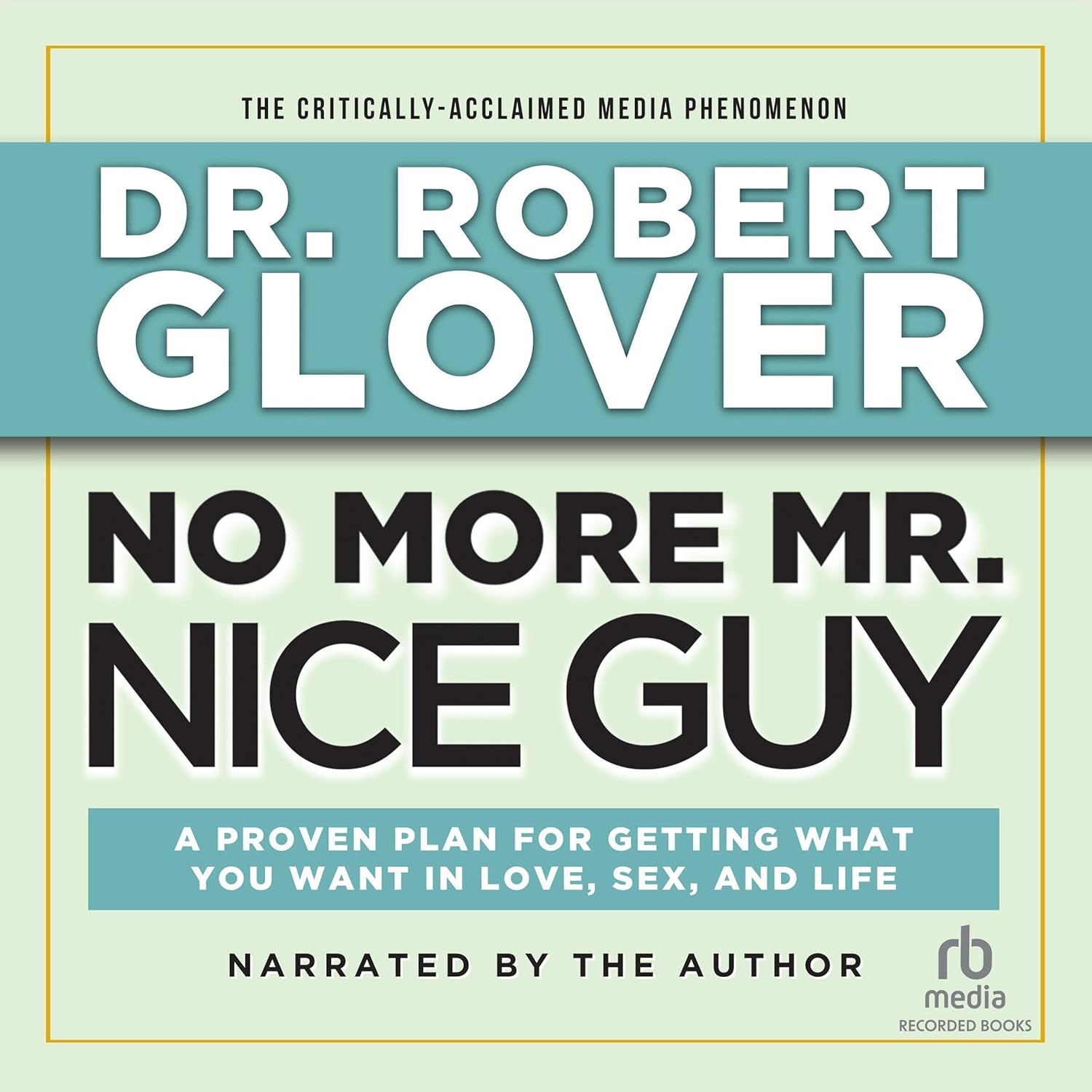
No More Mr Nice Guy
Robert A. Glover


 Apple Books


 39 Min Reading Time
 Audio Version Available
About this book
Are you the "nice guy"—always trying to please, avoid conflict, and do everything "right," only to feel frustrated, resentful, and unfulfilled? In No More Mr. Nice Guy, Dr. Robert Glover dismantles the myth that being "nice" is the key to happiness, love, and success.
This groundbreaking guide reveals the destructive patterns of the Nice Guy Syndrome, rooted in childhood wounds and fueled by a need for approval. Learn how to break free from people-pleasing, set healthy boundaries, express your emotions, and reclaim your masculinity.
Discover how to:
- Stop seeking validation from others and start prioritizing your own needs.
- Build authentic, satisfying relationships based on mutual respect.
- Embrace your power, assertiveness, and true potential.
- Create a fulfilling sex life and connect with your inner desires.
- Live a life of purpose, passion, and genuine happiness.
No More Mr. Nice Guy isn't about becoming a jerk; it's about becoming an integrated man—embracing all aspects of yourself, imperfections and all. It's time to stop being "nice" and start being real.
Summary of Key Ideas
- •
Understanding the "Nice Guy" Syndrome
The "Nice Guy" Syndrome is a pattern of behavior where men seek approval and validation from others, often women, by being overly accommodating and suppressing their own needs and desires. This stems from a fear of conflict and a belief that being "nice" will guarantee them love and acceptance. However, this strategy is often ineffective and leads to resentment, frustration, and a lack of genuine connection.
- •
The Impact of Dysfunctional Childhoods
Many "Nice Guys" grew up in dysfunctional families where their emotional needs were not met, leading them to develop coping mechanisms centered around pleasing others. These childhood experiences often result in a lack of self-esteem, poor boundaries, and a tendency to seek external validation. Understanding the roots of these behaviors is crucial for breaking free from the "Nice Guy" pattern.
- •
Breaking Free from Covert Contracts
"Nice Guys" often operate from a place of covert contracts, expecting that their niceness will be reciprocated with love, sex, or other desired outcomes. This transactional approach to relationships is ultimately manipulative and unsustainable. The book emphasizes the importance of being direct and honest about one's needs and desires, rather than expecting others to read one's mind.
- •
Prioritizing Self-Care and Self-Acceptance
A core message of the book is the importance of self-acceptance and prioritizing one's own needs and desires. "Nice Guys" often neglect their own well-being in an attempt to please others, leading to resentment and burnout. Glover encourages readers to identify their unmet needs and to take proactive steps to fulfill them, even if it means disappointing others.
- •
Setting and Maintaining Healthy Boundaries
Establishing healthy boundaries is essential for breaking free from the "Nice Guy" pattern. This involves learning to say "no" to requests that are unreasonable or that compromise one's own needs, and to assertively communicate one's boundaries to others. Setting boundaries helps to create healthier relationships based on mutual respect and genuine connection.
- •
Embracing and Expressing Healthy Anger
"Nice Guys" often avoid conflict and suppress their anger, fearing that expressing negative emotions will jeopardize their relationships. However, suppressing anger can lead to resentment and passive-aggressive behavior. The book encourages readers to develop healthy ways of expressing anger and to address conflicts directly and assertively.
- •
Embracing Authenticity and Imperfection
The book challenges the notion that being "nice" is inherently virtuous. It argues that true authenticity and genuine connection require vulnerability, honesty, and the willingness to be imperfect. By embracing their imperfections and expressing their true selves, men can create more fulfilling and meaningful relationships.
- •
Finding Purpose and Meaning in Life
Glover advocates for men to find purpose and meaning in their own lives, independent of external validation from others. This involves pursuing personal goals, developing passions, and connecting with their masculinity. By focusing on their own growth and development, men can build self-confidence and attract healthier relationships.
- •
The Importance of Male Connection and Support
The book stresses the importance of men connecting with other men through support groups or mentorship. This provides a safe space to share experiences, gain insights, and receive encouragement on their journey of self-discovery. Connecting with other men can help to break the isolation that many "Nice Guys" experience and foster a sense of community.
- •
The Ongoing Journey of Self-Discovery
Overcoming the "Nice Guy" Syndrome is a journey that requires ongoing effort and self-reflection. It involves challenging deeply ingrained beliefs and behaviors, and developing new, healthier patterns of relating to oneself and others. The book provides practical tools and strategies to support this process, emphasizing the importance of patience, self-compassion, and persistence.
Chapter Recap

About The Author
Robert A. Glover
Main Quotes
"Just about everything a Nice Guy does is consciously or unconsciously calculated to gain someone's approval or to avoid disapproval."
"Nice Guys are afraid of their own power."
"Nice Guys are covertly manipulative."
"Nice Guys are driven to fix and control."
"Nice Guys seek validation from women."
"Nice Guys have difficulty making their needs a priority."
"Nice Guys give to get."
"Nice Guys are out of touch with their masculinity."
"Nice Guys are isolated."
"Nice Guys have difficulty setting boundaries."
Who Should Read This Book
Men who identify as "Nice Guys" and are seeking to change their behavior patterns.
Men struggling with passive-aggressive tendencies.
Individuals seeking to improve their relationships and assertiveness.
People who feel unfulfilled or resentful in their interactions with others.
Men wanting to overcome people-pleasing behaviors.
Individuals interested in personal development and self-improvement, particularly in the areas of relationships, sex, and career.
Men seeking to understand and break free from unhealthy relationship dynamics.
Individuals looking for a practical guide to help them become more assertive and authentic.
Therapists or counselors who work with men struggling with "Nice Guy" syndrome.
Book Summaries Like
No More Mr Nice Guy



FAQ

Free Access to LitNotes