




 DISCORD
Olive Kitteridge
Elizabeth Strout, PEREZ PEREZ ROSA,


 Pulitzer Prize Awards
 Apple Books


 48 Min Reading Time
 Audio Version Available
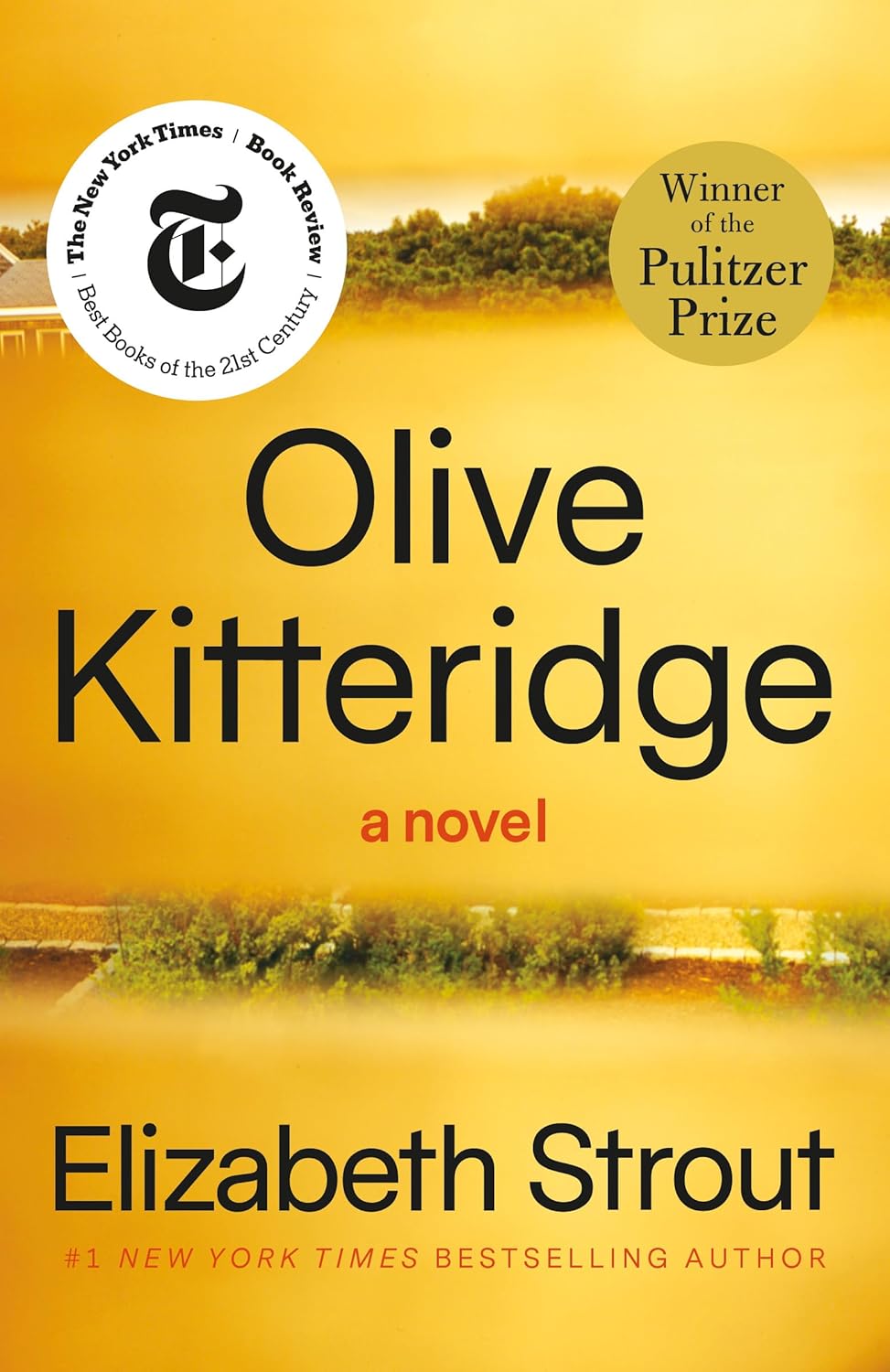
About this book
In the coastal town of Crosby, Maine, resides Olive Kitteridge, a sharp-tongued and seemingly unflappable woman whose life intersects with those of her neighbors in unexpected ways. Through a series of interconnected stories, Elizabeth Strout paints a vivid portrait of a small community grappling with love, loss, secrets, and the everyday struggles of human existence.
From a compassionate pharmacist's quiet despair to a troubled teenager's search for belonging, each character is drawn with remarkable depth and empathy. At the center of it all is Olive, a retired schoolteacher whose formidable personality both challenges and comforts those around her. As the years pass, Olive confronts her own vulnerabilities and discovers the profound beauty hidden within the ordinary moments of life.
Winner of the Pulitzer Prize, Olive Kitteridge is a powerful and poignant exploration of the human condition, filled with profound insights, enduring wisdom, and a cast of unforgettable characters you won't soon forget. It's a novel about marriage, family, and the complexities of relationships, all set against the backdrop of a small town where everyone knows everyone else's business – and secrets.
Summary of Key Ideas
- •
Interconnectedness in a Small Town
The interconnectedness of lives in a small town is a central theme. The novel, structured as a series of interconnected short stories, illustrates how the residents of Crosby, Maine, are woven together through shared experiences, relationships, and Olive's pervasive presence. These connections, sometimes subtle and sometimes profound, highlight the ways in which individuals impact each other's lives, often without fully realizing the extent of their influence. Strout masterfully demonstrates that even seemingly isolated lives are part of a larger, intricate social fabric.
- •
Embracing Human Imperfection
Olive's complex and often abrasive personality serves as a focal point for exploring human flaws and imperfections. She is not portrayed as a traditionally likable character; rather, she is stubborn, opinionated, and sometimes insensitive. However, it is precisely these flaws that make her relatable and human. Through Olive, Strout challenges readers to confront their own imperfections and to recognize the inherent complexities within themselves and others. Olive's character highlights the idea that people are rarely all good or all bad, but rather a mixture of both.
- •
The Complexities of Marriage
The novel delves into the challenges and complexities of marriage, showcasing the long-term relationship between Olive and her husband, Henry. Their marriage, like any long-term relationship, is marked by both love and conflict. The novel explores the ways in which couples navigate the challenges of aging, illness, and changing expectations. It also examines the sacrifices and compromises that are often necessary to sustain a marriage over many years. The portrayal of Olive and Henry's relationship is realistic and nuanced, avoiding simplistic portrayals of marital bliss.
- •
Navigating Loss and Grief
Loss and grief are recurring themes throughout the book, impacting many characters and shaping their lives. Characters grapple with the loss of loved ones, the loss of youth, and the loss of opportunities. The novel explores the various ways in which people cope with grief, highlighting the importance of resilience and finding meaning in the face of adversity. Olive, in particular, experiences significant losses and must learn to navigate the challenges of aging and mortality.
- •
Confronting Mental Health Issues
The novel explores the theme of mental health through several characters struggling with depression, suicidal thoughts, and other mental health challenges. Strout portrays these struggles with sensitivity and honesty, shedding light on the stigma surrounding mental illness and the importance of seeking help. The novel also highlights the impact of mental illness on families and communities. Through these storylines, Strout encourages empathy and understanding towards those who are struggling with their mental health.
- •
The Realities of Aging and Mortality
The passage of time and the process of aging are prominent themes, as characters grapple with physical and emotional changes associated with getting older. The novel explores the challenges of declining health, the fear of losing independence, and the search for meaning in later life. Olive, in particular, confronts her own mortality and reflects on the choices she has made throughout her life. The novel also examines the changing dynamics of family relationships as parents age and children take on new roles.
- •
The Potential for Redemption
Despite Olive's often-gruff exterior, the novel ultimately suggests the possibility of redemption and the capacity for personal growth. Over the course of the stories, Olive demonstrates moments of empathy and compassion, suggesting that even the most flawed individuals are capable of change. The novel also highlights the importance of forgiveness, both of oneself and of others, in order to move forward in life. While Olive never becomes a perfect character, she does show signs of growth and self-awareness, offering a glimmer of hope for the possibility of redemption.
Chapter Recap

About The Author
Elizabeth Strout
Main Quotes
""There's no explaining humans.""
""She did not like feeling weak. It reminded her too much of being a child.""
""People's lives, in time, become stories.""
""Sometimes love was not enough.""
""I told you. You don't love people at their best, sweetheart. You just love them because you can't help it.""
""Each person unspeakably sad in his own way.""
""She had a life that was full of love, that was full of caring. And what difference did it make? She was still alone.""
""Retirement was a long, uneventful stretch of days. Days that bled into other days.""
""Life was a very unfair thing.""
""She understood now. This was the true surprise of love; it was the test by which others could be measured.""
Who Should Read This Book
Readers of literary fiction
Readers interested in character-driven stories
Readers who enjoy exploring complex relationships
Readers interested in small-town life and its challenges
Readers who appreciate stories set in Maine or coastal settings
Readers of Pulitzer Prize-winning books
Book club members
Readers interested in themes of aging, marriage, and mental health
Readers who enjoy interconnected short stories
Book Summaries Like
Olive Kitteridge
FAQ

Free Access to LitNotes