




 DISCORD
On Our Best Behavior
Elise Loehnen


 Goodreads Choice Awards
 Indie Bestsellers


 59 Min Reading Time
 Audio Version Available
About this book
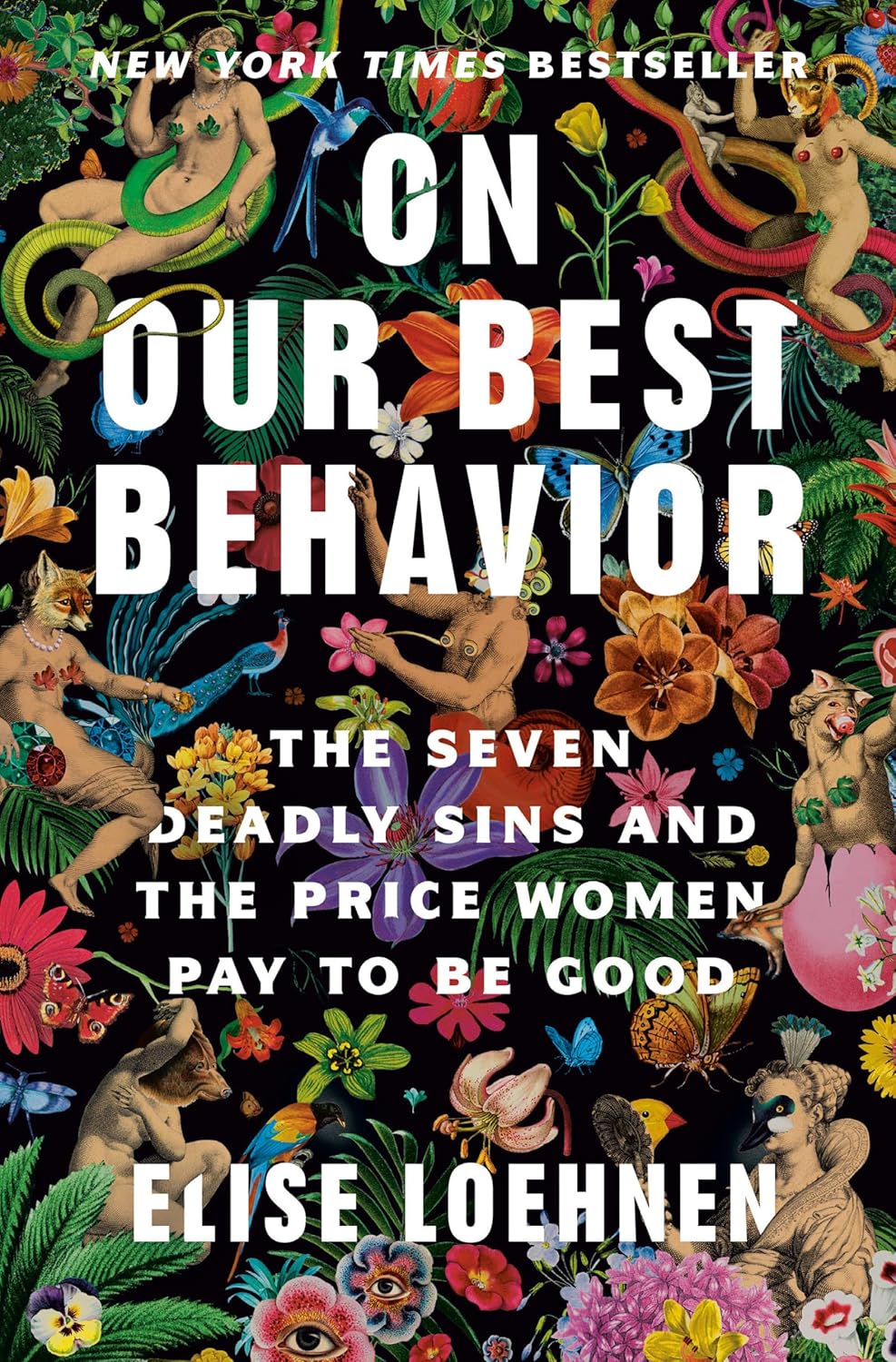
For centuries, women have been conditioned to be "good"—but at what cost? In On Our Best Behavior, Elise Loehnen dismantles the ancient, unspoken rules that control women's lives, revealing how the Seven Deadly Sins—pride, greed, lust, envy, gluttony, wrath, and sloth—have been weaponized to keep women compliant and confined.
Loehnen deftly blends historical analysis with contemporary observations, exploring how these "sins" manifest in modern society, dictating everything from our careers and relationships to our body image and personal ambitions. With sharp wit and compelling research, she illuminates the ways women internalize patriarchal expectations, striving for an impossible ideal of perfection.
More than just an exposé, On Our Best Behavior is a call to arms. Loehnen empowers women to recognize and reject these outdated standards, encouraging them to embrace their authentic selves, challenge societal norms, and redefine what it truly means to be "good." It's time to break free from the shackles of expectation and reclaim our power, our desires, and our truest selves.
Summary of Key Ideas
- •
Weaponization of the Seven Deadly Sins
The book challenges the conventional understanding of the Seven Deadly Sins, arguing that they have been historically weaponized to control and restrict women's behavior. Loehnen suggests that these 'sins'—pride, greed, lust, envy, gluttony, wrath, and sloth—have been used to enforce patriarchal norms and expectations, defining what is considered 'good' or 'acceptable' behavior for women. By internalizing these restrictions, women often unwittingly reinforce societal inequalities and limit their own potential, striving for an unattainable ideal of perfection and self-sacrifice. This key idea sets the stage for a deeper exploration of how women can reclaim their autonomy by questioning and redefining these imposed moral standards.
- •
The Programming of Female Obedience
Loehnen examines how societal expectations have programmed women to prioritize obedience and self-restraint, often at the expense of their own desires and ambitions. This programming is deeply ingrained, starting from a young age, and is reinforced through various cultural narratives and institutions. The pursuit of 'goodness,' as defined by patriarchal standards, leads to a constant state of self-monitoring and suppression, hindering women from fully expressing themselves and pursuing their true passions. By recognizing the ways in which they have been conditioned, women can begin to dismantle these internalized constraints and embrace a more authentic and fulfilling existence.
- •
Reclaiming Full Humanity
A central theme of the book is the call for women to reclaim their full humanity by rejecting the restrictive labels and expectations imposed upon them. This involves challenging the notion that women must always be selfless, nurturing, and compliant, and instead embracing a wider range of emotions, ambitions, and behaviors. By acknowledging and integrating aspects of themselves that have been historically deemed 'sinful' or 'unacceptable,' women can cultivate a more complete and empowered sense of self. This reclamation is essential for achieving true equality and liberation, allowing women to live authentically and unapologetically.
- •
Dismantling Internalized Patriarchy
Loehnen emphasizes the importance of recognizing and dismantling internalized patriarchy, which refers to the ways in which women unconsciously perpetuate patriarchal values and norms. This can manifest in various forms, such as self-criticism, competition with other women, and the prioritization of male approval. By becoming aware of these internalized patterns, women can actively challenge them and cultivate a more supportive and empowering relationship with themselves and other women. This process of deconstruction is crucial for creating a more equitable and just society.
- •
Redefining Morality
The book advocates for a redefinition of morality that centers on authenticity, self-compassion, and the pursuit of personal fulfillment rather than adherence to external rules and expectations. This involves questioning traditional notions of 'good' and 'bad' behavior and developing a more nuanced understanding of ethical decision-making. By prioritizing their own well-being and values, women can create a moral compass that guides them towards a more meaningful and purposeful life. This shift in perspective is essential for breaking free from the constraints of societal conditioning and embracing true autonomy.
- •
The Power of Sisterhood
Loehnen stresses the importance of solidarity and sisterhood in the fight against patriarchal oppression. By supporting and empowering one another, women can create a powerful force for change and challenge the systems that perpetuate inequality. This involves fostering empathy, collaboration, and mutual respect, and rejecting the divisive tactics that often pit women against each other. Through collective action and shared experiences, women can amplify their voices and create a more just and equitable world for themselves and future generations.
Chapter Recap

About The Author
Elise Loehnen
Main Quotes
"We are not pawns in a battle between the dark and the light. We are human, a bridge between matter and spirit; we can find the middle and hold the line."
"On my best behavior now means being myself, even if that's uncomfortable for other people or requires some shape-shifting within my family."
"Women are culturally conditioned and programmed for goodness. There is nothing worse that you can say about a woman than that’s bad."
"Our resentment, frustration, and anger live in us. When our partners, our parents, our bosses, the system itself, refuse to absorb our wrath, to hear us, we don ..."
"We congratulate ourselves when we resist the donut in the office breakroom. We celebrate our restraint when we hold back from sending an email in anger."
"We spend a lot of time cushioning our confidence to make ourselves more palatable, more likable."
"What if women finally found freedom—because we gave it to ourselves?"
"Perfect goodness, as an absolute state, is not achievable."
"Goodness — virtue, belonging — cannot be claimed."
"“Maybe, to be good, women must first be bad.”"
Who Should Read This Book
Women interested in feminist perspectives on societal expectations
Readers interested in social commentary and cultural analysis
Individuals exploring the history and impact of the patriarchy
Those seeking self-improvement and personal growth through understanding ingrained beliefs
Readers of non-fiction books exploring the psychology of women
People interested in the seven deadly sins and their impact on female behavior
Listeners of Elise Loehnen's podcast, "Pulling the Thread"
Book Summaries Like
On Our Best Behavior

FAQ

Free Access to LitNotes