




 DISCORD
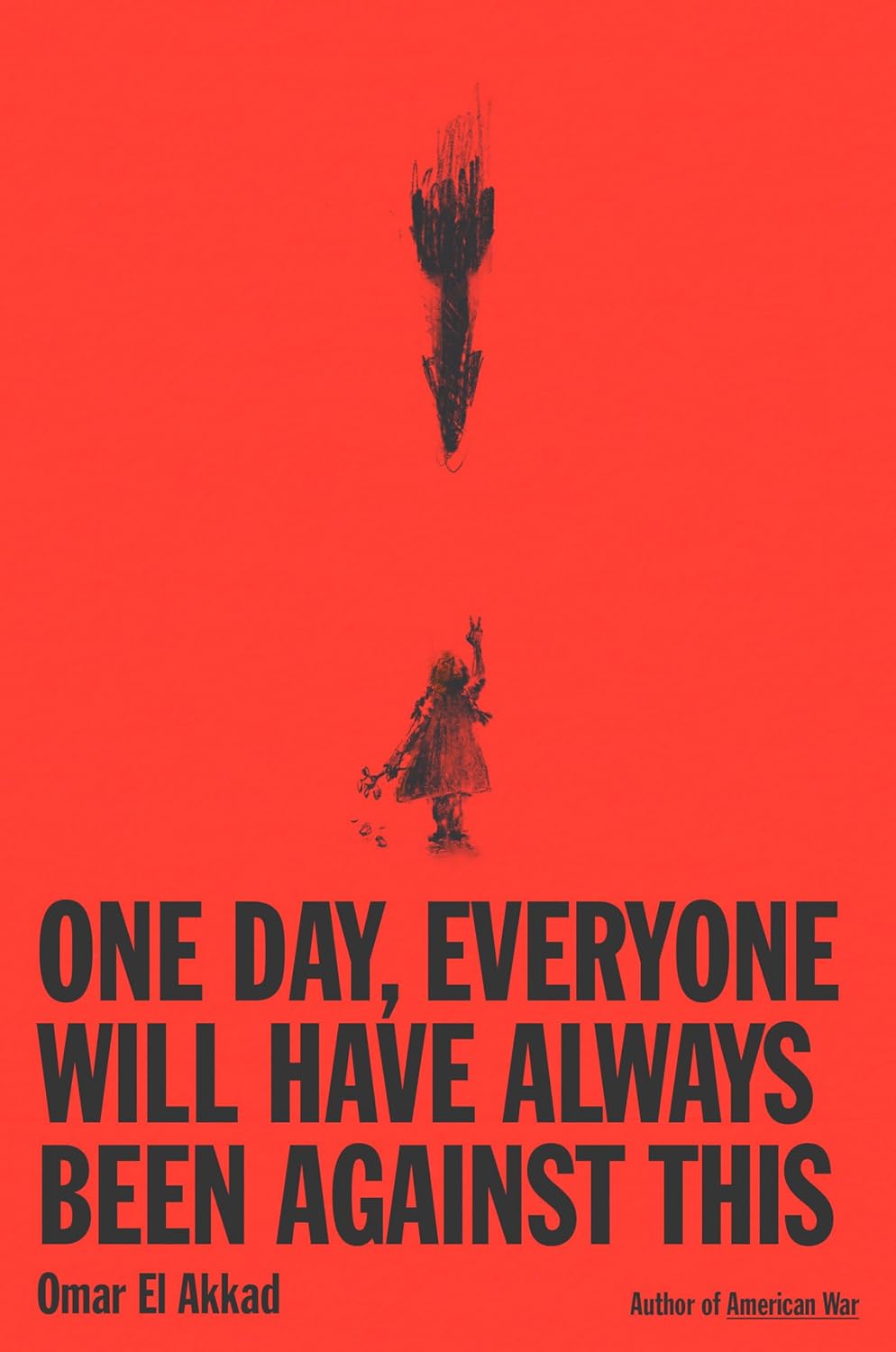
One Day, Everyone Will Have Always Been Against This
Omar El Akkad


 Indie Bestsellers


 40 Min Reading Time
 Audio Version Available
About this book
In the wake of the Gaza bombardment, Omar El Akkad's viral tweet ignited a firestorm: "One day, when it’s safe...everyone will have always been against this." Now, in his searing nonfiction debut, the award-winning novelist and journalist confronts the broken promises of the West.
One Day, Everyone Will Have Always Been Against This is a powerful reckoning, a heartsick breakup letter with a world that proclaims freedom and justice while betraying entire groups of people. From the War on Terror to Black Lives Matter, El Akkad chronicles the painful realization that the West's ideals often mask a brutal reality.
For those who have lost faith in the "rules-based order," for those witnessing the ruptures on college campuses and city streets, this is a generation's The Fire Next Time. El Akkad's raw, vulnerable exploration is a moral grapple with what it means to be a citizen, a father, and a human being in a time of carnage, offering a vital path forward for those who dare to imagine something better.
Summary of Key Ideas
- •
Deconstructing Western Idealism
The Illusion of Western Innocence: El Akkad challenges the notion of Western societies as inherently benevolent or neutral, particularly in the context of global conflicts and political decisions. He dissects the historical and contemporary actions of the U.S., revealing a pattern of complicity and self-interest masked by idealistic rhetoric. The book suggests that this perceived innocence is a dangerous myth that prevents genuine accountability and perpetuates harmful policies.
- •
The Imperative of Witnessing
Bearing Witness to Suffering: The book emphasizes the importance of acknowledging and confronting the suffering inflicted upon marginalized communities, especially Palestinians. El Akkad urges readers to move beyond passive observation and engage actively with the realities of those affected by political violence and systemic injustice. By centering these experiences, the book seeks to foster empathy and challenge the dominant narratives that often dehumanize victims.
- •
Breaking the Silence
The Complicity of Silence: El Akkad explores how silence and inaction contribute to the perpetuation of injustice. He critiques the tendency to remain neutral or detached in the face of human rights violations, arguing that such passivity enables those in power to continue their oppressive practices. The book calls for a rejection of complacency and a commitment to speaking out against injustice, even when it is unpopular or uncomfortable.
- •
Deconstructing Dominant Narratives
The Power of Language and Narrative: El Akkad examines the ways in which language and narrative are used to shape public opinion and justify political actions. He deconstructs the rhetoric employed by governments and media outlets to control the narrative surrounding conflicts, exposing the biases and omissions that serve to manipulate perceptions. By understanding how language is used to frame events, readers can become more critical consumers of information and resist propaganda.
- •
Understanding Intergenerational Trauma
The Cycle of Violence and Trauma: The book acknowledges the intergenerational impact of violence and trauma, particularly in regions affected by prolonged conflict. El Akkad explores how these experiences shape individual and collective identities, perpetuating cycles of resentment and retribution. By recognizing the deep-seated wounds of trauma, the book suggests that healing and reconciliation are essential for breaking free from these destructive patterns.
- •
Finding Hope in Resistance
Hope and Resistance: Despite the bleak realities depicted, the book also highlights acts of resistance and resilience in the face of oppression. El Akkad showcases the courage and determination of individuals and communities who refuse to be silenced or subjugated. These stories of resistance offer a glimmer of hope, suggesting that change is possible even in the most dire circumstances, and that collective action can challenge entrenched power structures.
- •
Personal Responsibility and Moral Reckoning
Moral Grappling: The core of the book revolves around a moral grappling with the implications of being a citizen in a country that may be complicit in global injustices. El Akkad encourages readers to actively question and challenge the actions of their governments, fostering a sense of personal responsibility for the broader impact of national policies. This introspective approach aims to provoke a deeper understanding of one's own role in perpetuating or resisting systemic inequalities.
Chapter Recap

About The Author
Omar El Akkad
Main Quotes
"That there are more invested in solidarity than annihilation. That just as it has always been possible to look away, it is always possible to stop looking away."
"One day, when it's safe, when there's no personal downside to calling a thing what it is ... everyone will have always been against this."
"That there will always be entire groups of human beings it has never intended to treat as fully human—not just Arabs or Muslims or immigrants, but whoever falls outside its ever-shifting definition of legitimate belonging."
"You do the work. You do the work regardless."
"You fight the war with guns, you fight the peace with stories."
"It seemed sensible to crave safety, to crave shelter from the storm."
"That it has always been possible to look away."
"It is always possible to stop looking away."
"When it's too late to hold anyone accountable."
"The liberals of today proudly proclaim we have learned from the past, wash their hands of that dark period of history and assume it will never repeat."
Who Should Read This Book
Readers of contemporary fiction concerned with social justice and political issues, particularly those related to Palestine and Western ideals.
Individuals interested in moral and ethical dilemmas faced by citizens of the U.S. in relation to global conflicts.
Fans of Omar El Akkad's previous works who appreciate his bold and raw writing style.
Readers who enjoy books that grapple with complex themes of identity, belonging, and historical reckoning.
Those who follow current events and are interested in understanding shifting public opinion on international matters.
Book Summaries Like
One Day, Everyone Will Have Always Been Against This

FAQ

Free Access to LitNotes