




 DISCORD
Origin
Dan Brown


 Amazon Best Sellers
 Apple Books


 87 Min Reading Time
 Audio Version Available
About this book
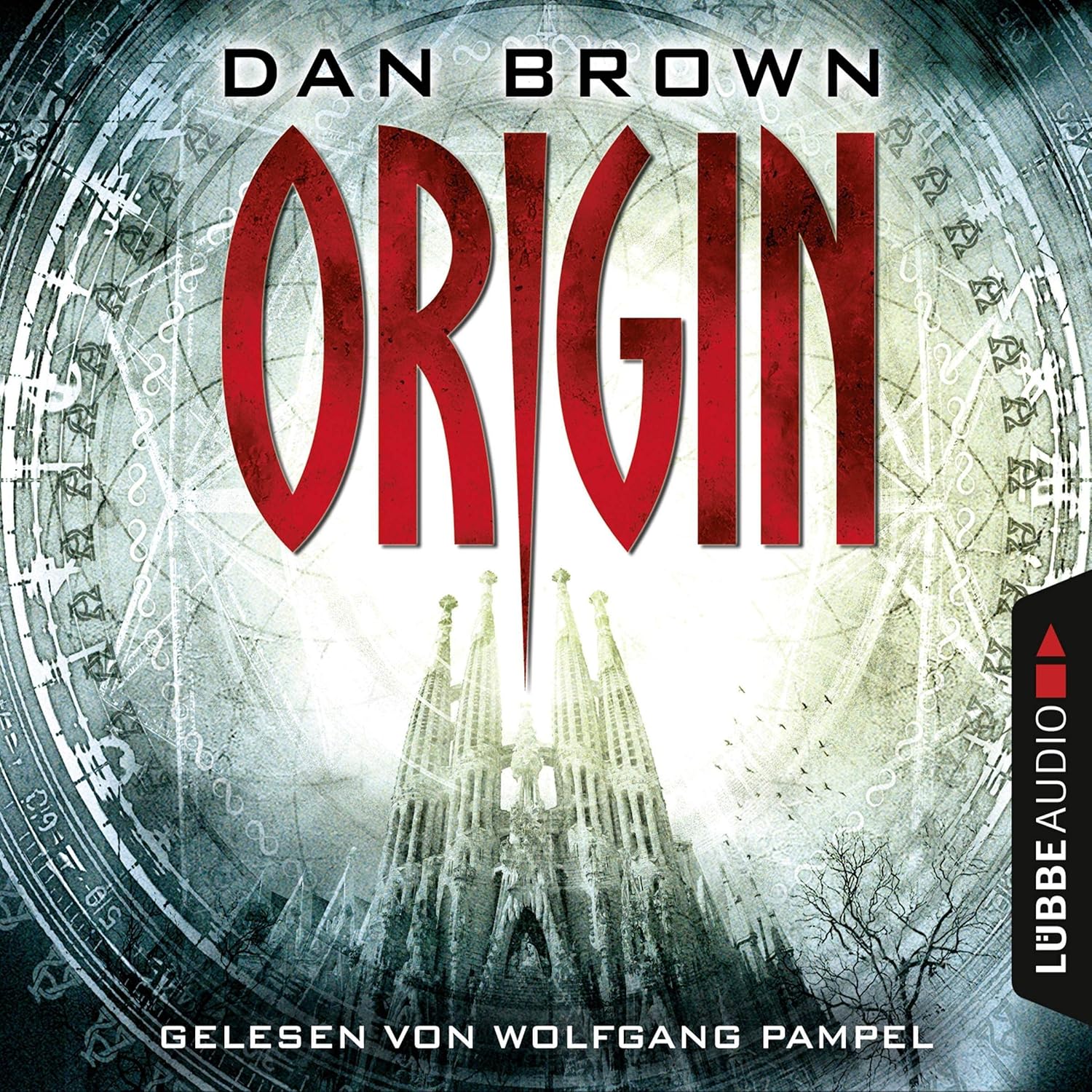
In Spain, Harvard symbologist Robert Langdon arrives at the Guggenheim Museum Bilbao for the unveiling of a world-altering discovery. Edmond Kirsch, a billionaire futurist and Langdon's former student, is about to reveal an astonishing scientific breakthrough that promises to answer humanity's most fundamental questions: Where do we come from? Where are we going?
But the meticulously planned event descends into chaos before Kirsch can reveal his secret. With his life in danger, Langdon flees with Ambra Vidal, the museum's director, on a perilous quest to Barcelona. They must navigate a labyrinth of hidden history and extreme religion, pursued by a powerful enemy who seeks to silence Kirsch's discovery.
Guided by enigmatic symbols and modern art, Langdon and Vidal race against time to unlock the password that will reveal Kirsch's secret and expose a breathtaking truth that has remained hidden for centuries.
Summary of Key Ideas
- •
Science vs. Religion: The Enduring Conflict
The central conflict revolves around the age-old tension between science and religion. Edmond Kirsch, a futurist, makes a discovery that challenges traditional religious creation stories. This sets the stage for exploring whether scientific advancements can coexist with established faith or if they are inherently contradictory. The book delves into the historical and contemporary aspects of this conflict, portraying characters on both sides and their reactions to Kirsch's potentially groundbreaking revelation. Langdon, a symbologist, is caught in the middle, navigating the dangerous intersection of these two powerful forces.
- •
Redefining Human Origins and Destiny
Edmond Kirsch's discovery, which is the catalyst for the plot, centers around the question of human origins and destiny. He presents scientific evidence suggesting an alternative to traditional creation narratives, positing how life began and where humanity is headed. This challenges the fundamental beliefs of many religious followers. The core of Kirsch's presentation revolves around the idea that science can provide answers to questions that were once solely within the realm of religious explanations. This new understanding of origin and destination has the potential to reshape humanity's future.
- •
The Rise of Artificial Intelligence
Artificial intelligence plays a crucial role in "Origin," embodied by Winston, Kirsch's AI assistant. Winston isn't merely a technological tool but an intelligent entity capable of learning, reasoning, and assisting Langdon throughout his journey. The book explores the potential and the perils of AI, questioning its role in shaping the future of humanity. It highlights AI's capacity to challenge human intellect and creativity and its possible implications for human uniqueness and dominance. This theme adds a layer of futuristic speculation, inviting readers to consider the ethical and philosophical implications of increasingly sophisticated AI systems.
- •
The Erosion of Religious Institutions
The novel explores the potential for science and technology to erode traditional religious beliefs and institutions. Kirsch's discovery is perceived as a direct threat by some religious figures who fear the implications of scientific explanations for long-held spiritual truths. The book examines the reactions of various religious groups, from moderate acceptance to violent opposition, showcasing the diverse ways in which faith communities respond to scientific advancements that challenge their doctrines. This examination emphasizes the vulnerability of established religions in an era of rapid technological progress.
- •
Art, Architecture, and Cultural Identity in Spain
Set against the backdrop of modern Spain, particularly Barcelona and Bilbao, the novel uses the setting to explore themes of art, architecture, and cultural identity. Iconic locations such as the Guggenheim Museum Bilbao are not just physical spaces but integral to the narrative, reflecting the blend of tradition and modernity. The architecture and art within these locations provide visual metaphors for the book's central themes, enhancing the reader's understanding of the cultural and intellectual landscape in which the story unfolds. The Spanish setting itself becomes a character, contributing to the novel's atmosphere and thematic resonance.
- •
Progressivism vs. Conservatism: A Modern Clash
The book portrays the clash between progressive and conservative ideologies, particularly in response to scientific breakthroughs. Kirsch's revolutionary discovery ignites strong reactions from both sides, highlighting the deep cultural and political divides in contemporary society. The novel explores how these opposing viewpoints shape the reception and interpretation of scientific information, revealing the complex interplay between science, politics, and cultural values. It reflects the real-world tensions between those who embrace progress and those who seek to preserve traditional beliefs and norms.
Chapter Recap

About The Author
Dan Brown
Main Quotes
"Historically, the most dangerous men on earth were men of God… especially when their gods became threatened."
"Science and religion are not competitors, they're two different languages trying to tell the same story. There's room in this world for both."
"Faith is the substance of things hoped for, the evidence of things not seen."
"The brave may not live forever, but the cautious don't live at all."
"When science offers an answer, that answer is universal. Humans do not go to war over it; they rally around it."
"The only limit to your impact is your imagination and commitment."
"Don't be satisfied with stories, how things have gone with others. Unfold your own myth."
"May our philosophies keep pace with our technologies. May our compassion keep pace with our powers. And may love, not fear, be the engine of change."
"The devout can always benefit from listening to non-believers. It is in hearing the voice of the Devil that we can better appreciate the voice of God."
"There is no greater joy than to jump into the unknown."
Who Should Read This Book
Readers of mystery thriller novels
Fans of Dan Brown's previous Robert Langdon novels (e.g., *The Da Vinci Code*, *Inferno*)
Individuals interested in science, religion, and philosophy debates
Readers who enjoy books incorporating art, history, and codes
Those intrigued by themes of artificial intelligence and the future of humanity
Readers who appreciate fast-paced plots and suspenseful storytelling
People interested in Spanish culture and architecture (the book is set in Spain)
Readers of popular fiction
Book Summaries Like
Origin

FAQ

Free Access to LitNotes