




 DISCORD
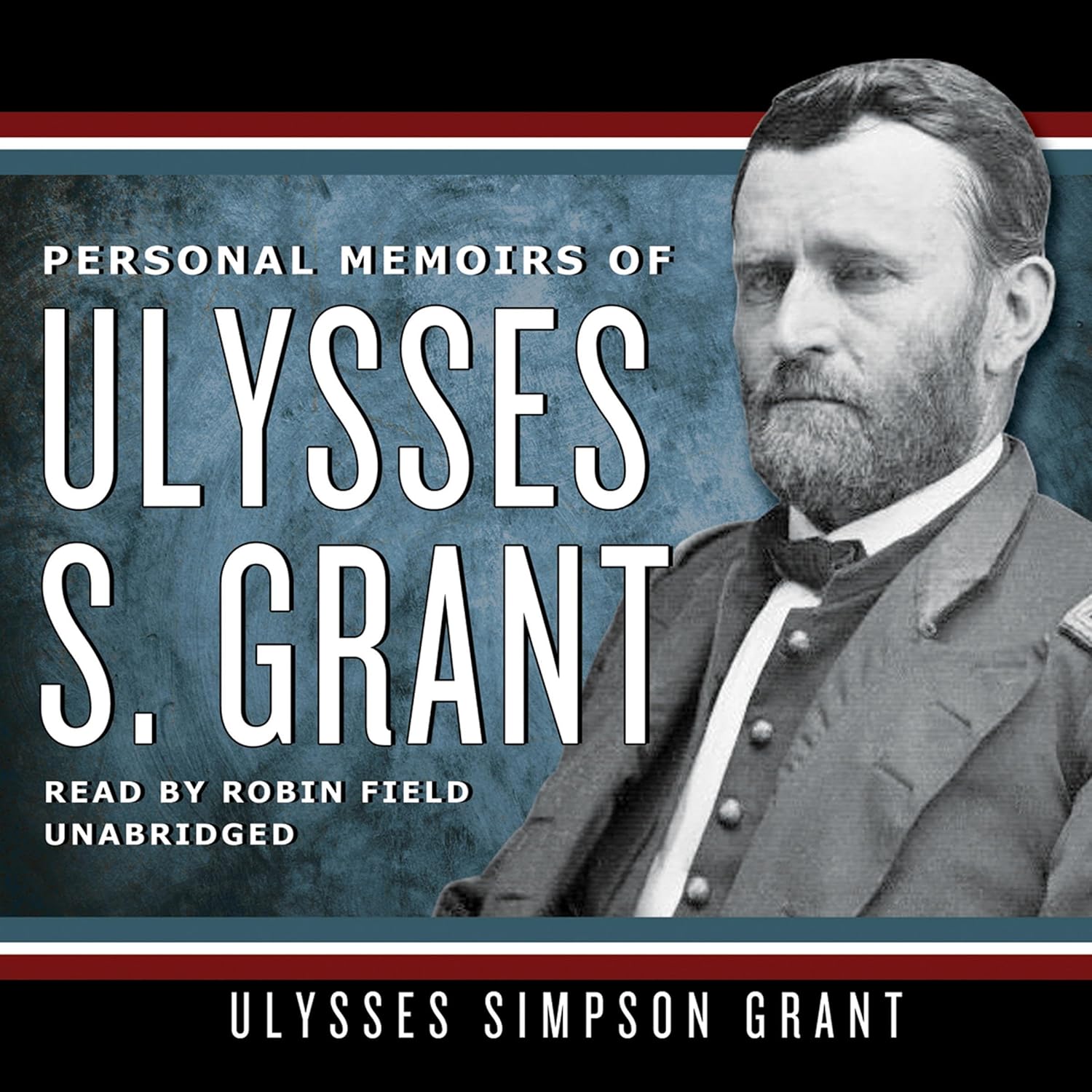
Personal Memoirs of Ulysses S. Grant
Ulysses S. Grant


 Apple Books


 318 Min Reading Time
 Audio Version Available
About this book
Facing death and financial ruin, Ulysses S. Grant, the victorious Civil War general and former president, embarked on a final campaign: to write his memoirs. In this gripping autobiography, Grant recounts his life, from his humble beginnings and West Point education to his command of the Union Army.
More than a military history, this is a candid and insightful reflection on leadership, strategy, and the human cost of war. Grant offers unparalleled perspectives on pivotal battles such as Vicksburg, Shiloh, and the Wilderness Campaign, revealing the complexities and moral ambiguities of a nation divided.
Encouraged by Mark Twain, and completed just days before his death, Personal Memoirs of Ulysses S. Grant stands as a testament to courage, integrity, and the enduring pursuit of peace. This is the definitive account of a remarkable life, a crucial piece of American history, and a masterpiece of personal reflection.
Summary of Key Ideas
- •
A Soldier's Unvarnished Account
The memoirs offer a candid and detailed account of Grant's life, focusing heavily on his military career during the Civil War and the Mexican-American War. They provide a first-person perspective on key battles, strategic decisions, and the personalities of prominent figures. Grant's narrative style is straightforward and avoids unnecessary embellishment, giving readers a sense of direct access to his thoughts and experiences. The memoirs are not just a recounting of events but also an exploration of leadership, duty, and the complexities of war. They reveal Grant's understanding of military strategy, logistics, and the human cost of conflict.
- •
The Primacy of Logistics in Warfare
Grant consistently emphasizes the significance of logistics and resource management in achieving military success. He highlights how the Union's superior industrial capacity and ability to supply its armies were crucial factors in its victory over the Confederacy. He details the challenges of maintaining supply lines, coordinating troop movements, and ensuring that soldiers were adequately equipped. This focus on logistics demonstrates Grant's practical approach to warfare and his understanding that battles are won not only through bravery but also through meticulous planning and execution. He stresses the importance of a well-organized and efficient military machine.
- •
Slavery as the Root Cause of the War
Grant reflects on the moral implications of the Civil War, particularly the issue of slavery. While not an abolitionist before the war, his experiences during the conflict led him to recognize slavery as the fundamental cause of the rebellion and a moral wrong that needed to be eradicated. His memoirs convey a sense of evolving moral conviction and a growing awareness of the injustices suffered by enslaved people. He portrays the war as a struggle for the preservation of the Union and the eventual triumph of freedom and equality. This perspective adds depth to his military narrative, framing it within a broader context of social and political change.
- •
Decisive and Resolute Leadership
Grant's leadership style, as portrayed in the memoirs, is characterized by decisiveness, perseverance, and a willingness to take calculated risks. He demonstrates an ability to assess situations quickly, make difficult choices, and maintain his resolve even in the face of setbacks. He was known for his aggressive tactics and his determination to pursue the enemy relentlessly. The memoirs reveal his understanding of the importance of morale and his ability to inspire confidence in his troops. Grant's leadership qualities were instrumental in turning the tide of the war in favor of the Union.
- •
Relationships with Key Civil War Figures
The memoirs provide insights into Grant's relationships with other key figures of the Civil War, including generals such as William Tecumseh Sherman and Philip Sheridan, as well as President Abraham Lincoln. Grant expresses admiration for Lincoln's leadership and his ability to navigate the political complexities of the war. He also highlights the importance of teamwork and collaboration among the Union commanders. His depictions of these relationships offer a glimpse into the dynamics of the Union high command and the challenges of coordinating a large-scale military effort.
- •
Humility and Personal Integrity
Despite the focus on military campaigns, Grant's memoirs also reveal his personal qualities, including his humility, honesty, and sense of duty. He avoids self-aggrandizement and often attributes his successes to the efforts of his subordinates. He acknowledges his mistakes and shortcomings, presenting a balanced and realistic portrayal of himself. The memoirs convey a sense of integrity and a commitment to serving his country. This personal dimension humanizes Grant and makes his narrative more relatable to readers.
- •
The Imperative of Union and Reconciliation
Grant reflects on the importance of preserving the Union and the long-term consequences of the Civil War for the nation. He emphasizes the need for reconciliation and healing after the conflict, advocating for policies that would promote unity and equality. His memoirs convey a sense of optimism about the future of the United States and a belief in its potential to overcome its divisions. He understood that the war was not just about military victory but also about building a more just and equitable society.
Chapter Recap

About The Author
Ulysses S. Grant
Main Quotes
"I never ব্যক্ত a thought of going into the army until after the attack on Sumter."
"The cause of the great War of the Rebellion will have to be attributed to slavery."
"There was no time from early in 1861 until the spring of 1865 that I did not feel the anxiety, and all the responsibility, of the situation."
"Hold fast to the rail when you travel by rail."
"I would say to all, Trust in God and do the right."
"Labor disgraces no man; unfortunately, you occasionally find men who disgrace labor."
"I feel that we are on the eve of a new era, when there is to be great harmony between the Federal and Confederate."
"I have never advocated war except as a means of peace."
"The friend in my adversity I shall always cherish most."
"Nations, like individuals, are punished for their transgressions."
Who Should Read This Book
Civil War enthusiasts and historians
Readers interested in military history and strategy
Biographers and readers of autobiographies
Those interested in 19th-century American history
Scholars of American literature
Readers interested in presidential history and memoirs
People seeking insight into leadership and decision-making
Readers of classic historical texts
Individuals interested in Ulysses S. Grant as a historical figure
Readers looking for firsthand accounts of historical events
Book Summaries Like
Personal Memoirs of Ulysses S. Grant


FAQ

Free Access to LitNotes