




 DISCORD
Post Traumatic Slave Syndrome
Joy DeGruy


 Apple Books


 51 Min Reading Time
 Audio Version Available
About this book
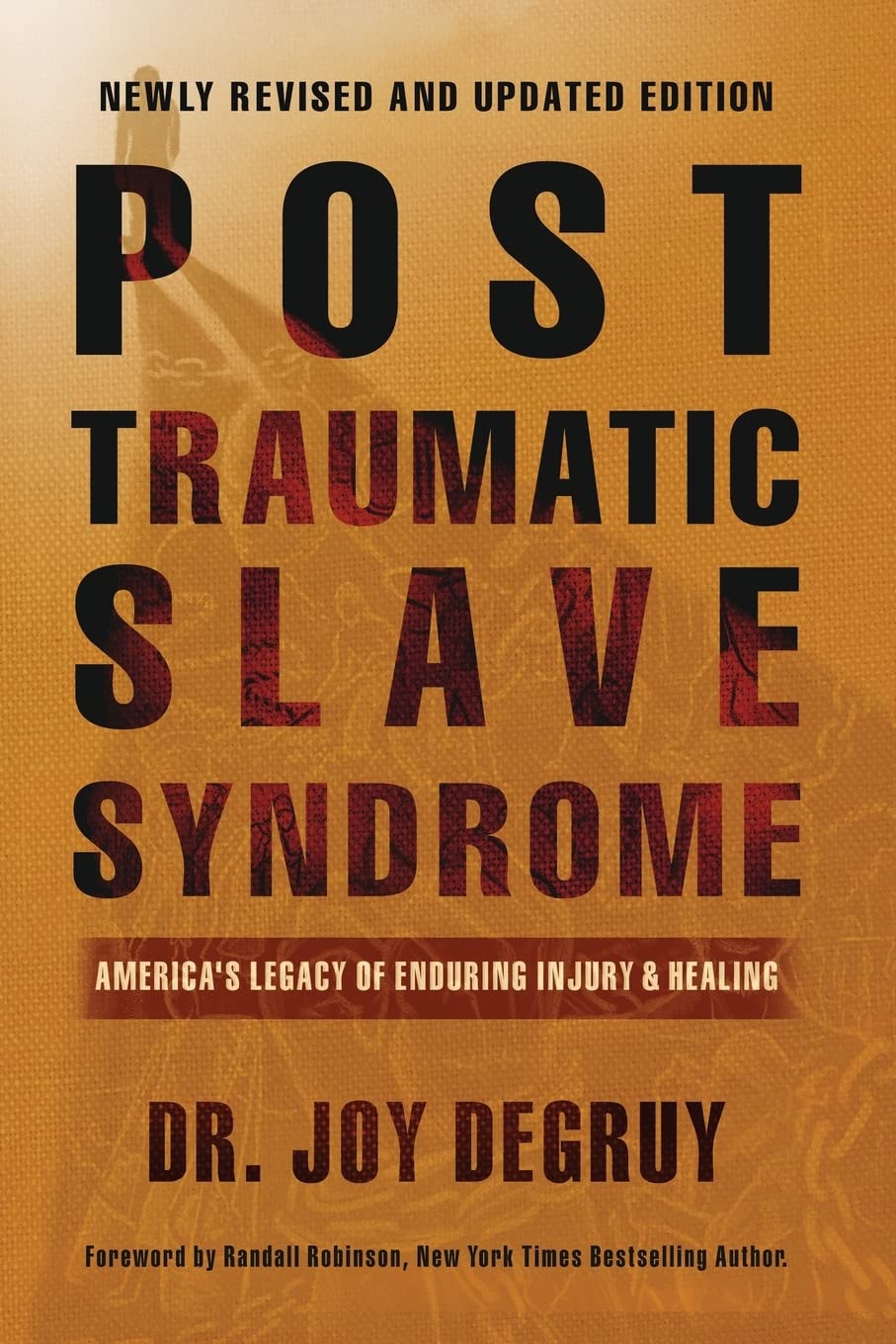
Delve into the groundbreaking exploration of historical trauma with Dr. Joy DeGruy's "Post Traumatic Slave Syndrome: America's Legacy of Enduring Injury and Healing." This seminal work introduces the theory of Post Traumatic Slave Syndrome (PTSS), a condition resulting from centuries of chattel slavery and the continued oppression of African Americans. DeGruy masterfully connects the dots between the past and the present, offering a comprehensive understanding of how the trauma of slavery has been passed down through generations, manifesting in specific adaptive survival behaviors within the African American community.
More than just a historical analysis, this book provides a framework for understanding the psychological and behavioral patterns that continue to impact African Americans today. DeGruy identifies key characteristics of PTSS and offers a pathway toward healing and recovery. "Post Traumatic Slave Syndrome" is essential reading for anyone seeking to understand the complex legacy of slavery and its ongoing effects on American society, race relations, and the pursuit of justice and equity. Prepare to be enlightened, challenged, and empowered by this transformative work.
Summary of Key Ideas
- •
Understanding Intergenerational Trauma
Post Traumatic Slave Syndrome (PTSS) is a theory developed by Dr. Joy DeGruy to explain the intergenerational trauma experienced by African Americans as a result of slavery and its continued legacy of racism and oppression. It posits that the trauma of slavery has been passed down through generations, impacting the psychological, emotional, and social well-being of Black individuals and communities today. PTSS acknowledges the historical context of slavery as a significant source of trauma that continues to manifest in various forms.
- •
The Impact of Collective Trauma
A core component of PTSS is the recognition that the trauma of slavery extends beyond individual experiences and affects entire communities. This collective trauma manifests in various ways, including internalized racism, distrust, mental health issues, and socioeconomic disparities. DeGruy emphasizes the importance of addressing this collective trauma through culturally sensitive healing practices and community-based interventions.
- •
Addressing the Absence of Normalcy
PTSS highlights the concept of 'absence of normalcy,' where the extreme conditions of slavery disrupted the normal development of healthy family structures, cultural practices, and community bonds. This disruption has resulted in a void that continues to affect African American communities, leading to challenges in establishing stable relationships, economic advancement, and overall well-being. Addressing this absence requires acknowledging the historical context and working towards restoring a sense of normalcy.
- •
PTSS vs. PTSD: A Crucial Distinction
DeGruy's theory distinguishes PTSS from Post-Traumatic Stress Disorder (PTSD) by emphasizing the chronic, cumulative, and intergenerational nature of the trauma. While PTSD typically stems from a specific traumatic event, PTSS is rooted in the ongoing legacy of slavery and systemic racism. This distinction is crucial for developing appropriate interventions and support systems that address the unique needs of African Americans affected by PTSS.
- •
Understanding Adaptive Survival Behaviors
A key aspect of PTSS is the exploration of adaptive behaviors that emerged during slavery as survival mechanisms. While these behaviors may have been necessary for survival in the context of slavery, they can be maladaptive in contemporary society. Examples include distrust of authority, emotional repression, and a strong emphasis on resilience. Recognizing and understanding these behaviors is essential for promoting healing and personal growth.
- •
The Need for Cultural Sensitivity in Healing
PTSS emphasizes the importance of cultural sensitivity in addressing the trauma experienced by African Americans. Traditional therapeutic approaches may not be effective if they fail to consider the historical and cultural context of slavery and racism. Culturally sensitive interventions incorporate culturally relevant practices, values, and beliefs to promote healing and empowerment within the African American community.
- •
Promoting Racial Reconciliation and Social Justice
DeGruy argues that acknowledging and understanding PTSS is crucial for promoting racial reconciliation and social justice. By recognizing the ongoing impact of slavery and systemic racism, society can begin to address the root causes of racial disparities and create a more equitable and just society for all. This requires open dialogue, education, and a commitment to dismantling systems of oppression.
- •
A Multifaceted Approach to Healing
Healing from PTSS requires a multifaceted approach that addresses individual, familial, and community needs. This may involve therapy, support groups, cultural activities, and community organizing. DeGruy emphasizes the importance of empowering individuals and communities to take control of their healing process and reclaim their cultural identity.
- •
Addressing Internalized Racism
One of the long-lasting effects of slavery is the development of internalized racism, where individuals internalize negative stereotypes and beliefs about their own racial group. PTSS highlights the need to address internalized racism through education, self-affirmation, and challenging negative beliefs. Overcoming internalized racism is essential for promoting self-esteem, empowerment, and positive racial identity.
- •
Connecting Historical Trauma to Contemporary Issues
PTSS underscores the importance of understanding how historical trauma manifests in contemporary social issues such as poverty, mass incarceration, and health disparities. By recognizing the link between slavery and these issues, we can develop more effective solutions that address the root causes of inequality and promote social change. This requires a critical examination of policies and practices that perpetuate racial disparities.
Chapter Recap

About The Author
Joy DeGruy
Main Quotes
"American chattel slavery represents a case of human trauma incomparable in scope, duration and consequence to any other incidence of human enslavement."
"It is important to understand that I am not suggesting that African Americans are broken or damaged; only that we are carrying the burden of a history that has not been adequately addressed."
"The descendants of enslaved Africans in America are not only dealing with the residual effects of slavery but also the ongoing effects of institutional racism and discrimination."
"The trauma of slavery has been passed down through generations, impacting the psychological, emotional, and spiritual well-being of African Americans."
"Many of the behaviors and attitudes that are seen as negative or dysfunctional in the African American community are actually adaptive responses to the trauma of slavery and its aftermath."
"We must create a safe space for African Americans to heal from the wounds of slavery."
"We must acknowledge the historical injustices that have been committed against African Americans."
"We must work to dismantle the systems of oppression that continue to perpetuate racial inequality."
"Healing from PTSS is a lifelong process that requires commitment, courage, and support."
"Multigenerational trauma together with continued oppression; Absence of opportunity to heal or access the benefits available in the society."
Who Should Read This Book
African Americans seeking to understand intergenerational trauma
Mental health professionals and therapists
Social workers
Educators and academics studying race, trauma, and history
Individuals interested in social justice and racial reconciliation
Anyone seeking to understand the historical roots of contemporary issues in the African American community
Researchers in the fields of psychology, sociology, and African American studies
People interested in healing from trauma and promoting well-being in their communities
Book Summaries Like
Post Traumatic Slave Syndrome




FAQ

Free Access to LitNotes