




 DISCORD
Practical Economics
Nika Gilauri

 Apple Books


 41 Min Reading Time
 Audio Version Available
About this book
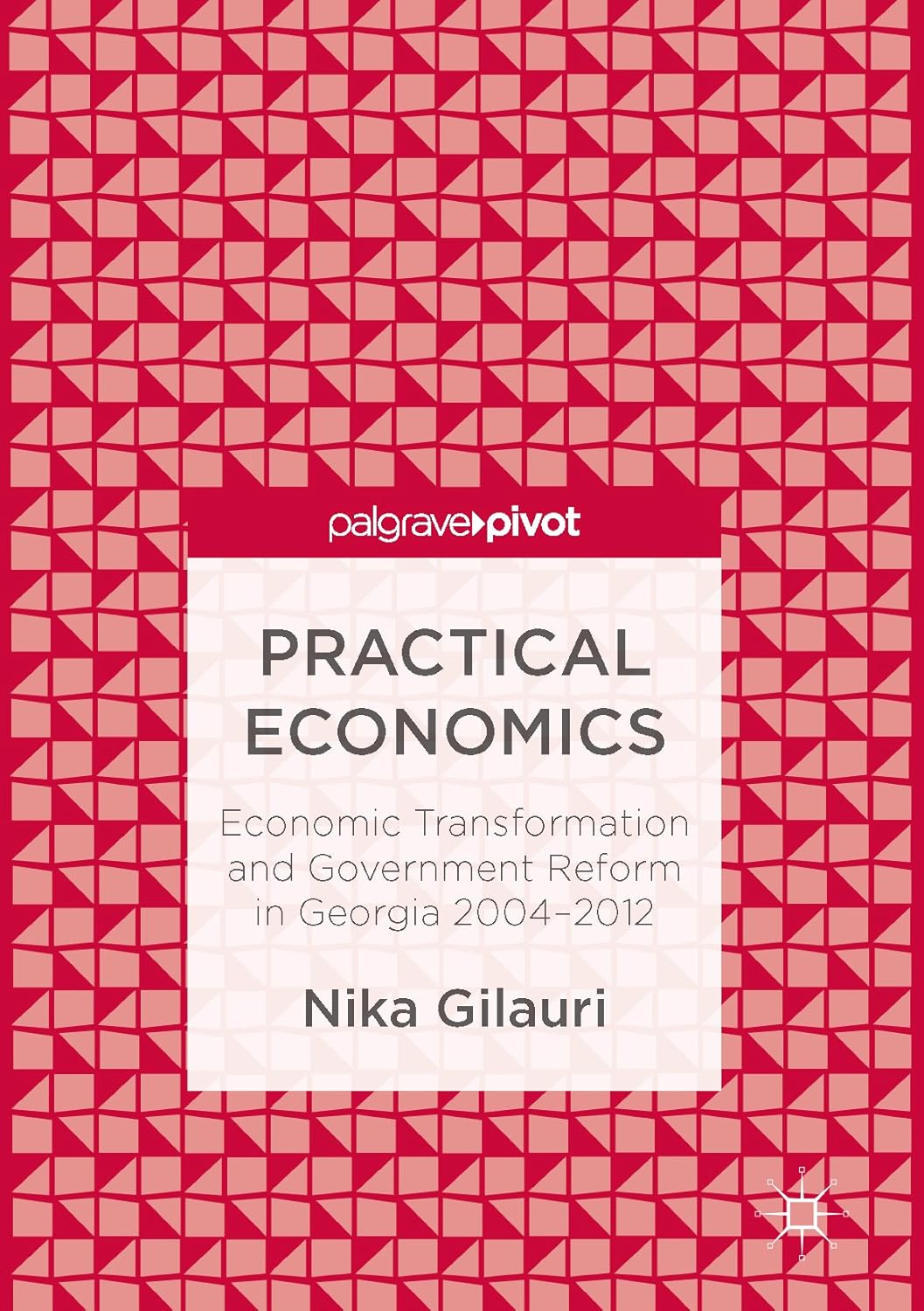
Delve into the groundbreaking reforms that transformed the nation of Georgia in "Practical Economics" by Nika Gilauri. This insightful book unveils the strategies and practical steps taken to combat corruption, revitalize fiscal policy, and ignite economic recovery. Drawing from his direct experience as a key architect of Georgia's transformation, Gilauri provides a unique, firsthand account of the challenges faced and the innovative solutions implemented. Discover the formulas for creating a business-friendly environment, reforming taxes, and fostering sustainable growth. "Practical Economics" is a must-read for policymakers, economists, and anyone seeking a real-world blueprint for effective governance and economic development.
Summary of Key Ideas
- •
Systemic Anti-Corruption Strategies
Combating Corruption Through Systemic Reform: Gilauri emphasizes that tackling corruption requires more than just arresting individuals. It necessitates systemic changes, such as simplifying regulations, increasing transparency, and implementing e-governance solutions. By reducing opportunities for corruption and making government processes more accountable, countries can create a cleaner and more efficient environment for economic growth. This involves streamlining bureaucratic procedures, minimizing direct contact between citizens and officials, and leveraging technology to enhance transparency and reduce discretion.
- •
The Power of Deregulation
Deregulation and Business-Friendly Policies: The book advocates for deregulation to foster a more business-friendly environment. Removing unnecessary bureaucratic hurdles and simplifying regulations can significantly reduce the costs and time associated with starting and running a business. This encourages entrepreneurship, attracts foreign investment, and promotes economic activity. Gilauri highlights the importance of creating a level playing field where businesses can compete fairly without being burdened by excessive red tape.
- •
Privatization as an Economic Driver
The Role of Privatization in Economic Growth: Privatization is presented as a key tool for improving efficiency and attracting investment. Transferring state-owned enterprises to private ownership can lead to better management, increased productivity, and innovation. Gilauri notes that privatization can also generate revenue for the government, which can then be reinvested in other areas of the economy. However, he stresses the importance of transparent and fair privatization processes to avoid corruption and ensure that the benefits are widely shared.
- •
Fiscal Responsibility and Monetary Stability
Importance of Fiscal Discipline and Sound Monetary Policy: Maintaining fiscal discipline and implementing sound monetary policy are crucial for macroeconomic stability. Gilauri underscores the need for governments to control spending, reduce debt, and avoid excessive money printing. A stable macroeconomic environment fosters confidence among investors, promotes long-term economic planning, and helps to prevent inflation and financial crises. Independent central banks and transparent budget processes are key components of this approach.
- •
Strategies for Attracting FDI
Attracting Foreign Direct Investment (FDI): FDI is a vital source of capital, technology, and expertise for developing economies. Gilauri discusses strategies for attracting FDI, such as creating a stable and predictable investment climate, improving infrastructure, and offering tax incentives. He emphasizes that attracting FDI requires a long-term commitment to creating a welcoming environment for foreign investors. Furthermore, protecting property rights and enforcing contracts are essential for building investor confidence.
- •
Human Capital as a Growth Engine
Investing in Education and Human Capital: Education and human capital development are essential for long-term economic growth. Gilauri stresses the importance of investing in quality education and skills training to prepare the workforce for the demands of a modern economy. This includes promoting STEM education, vocational training, and lifelong learning opportunities. A well-educated and skilled workforce is more productive, innovative, and adaptable to changing economic conditions.
- •
Lessons from Georgia's Reforms
Georgia's Reform Experience: The book draws extensively from Georgia's experience with economic reforms from 2004 to 2012, where Gilauri served in various government positions, including Prime Minister. He shares practical lessons and insights from Georgia's successful efforts to combat corruption, streamline regulations, and attract investment. This real-world case study provides valuable guidance for other countries seeking to implement similar reforms. The Georgian example shows how bold and decisive action can lead to significant economic transformation, even in challenging circumstances.
Chapter Recap

About The Author
Nika Gilauri
Main Quotes
"I don't have enough information to provide specific, representative quotes from "Practical Economics" by Nika Gilauri. While I can find mentions of the book and its themes (economic reform, anti-corruption), I can't access the full text to extract actual quotes."
Who Should Read This Book
Individuals interested in economic reform and governance.
Students and academics in economics, political science, and public policy.
Policymakers and government officials in developing countries.
Business professionals interested in the relationship between government policy and economic development.
Readers interested in the country of Georgia and its economic transformation.
Individuals seeking practical insights into fighting corruption and implementing successful economic reforms.
Anyone interested in learning from real-world examples of economic transformation.
Readers of books on economics, government, and international relations.
Book Summaries Like
Practical Economics




FAQ

Free Access to LitNotes