




 DISCORD
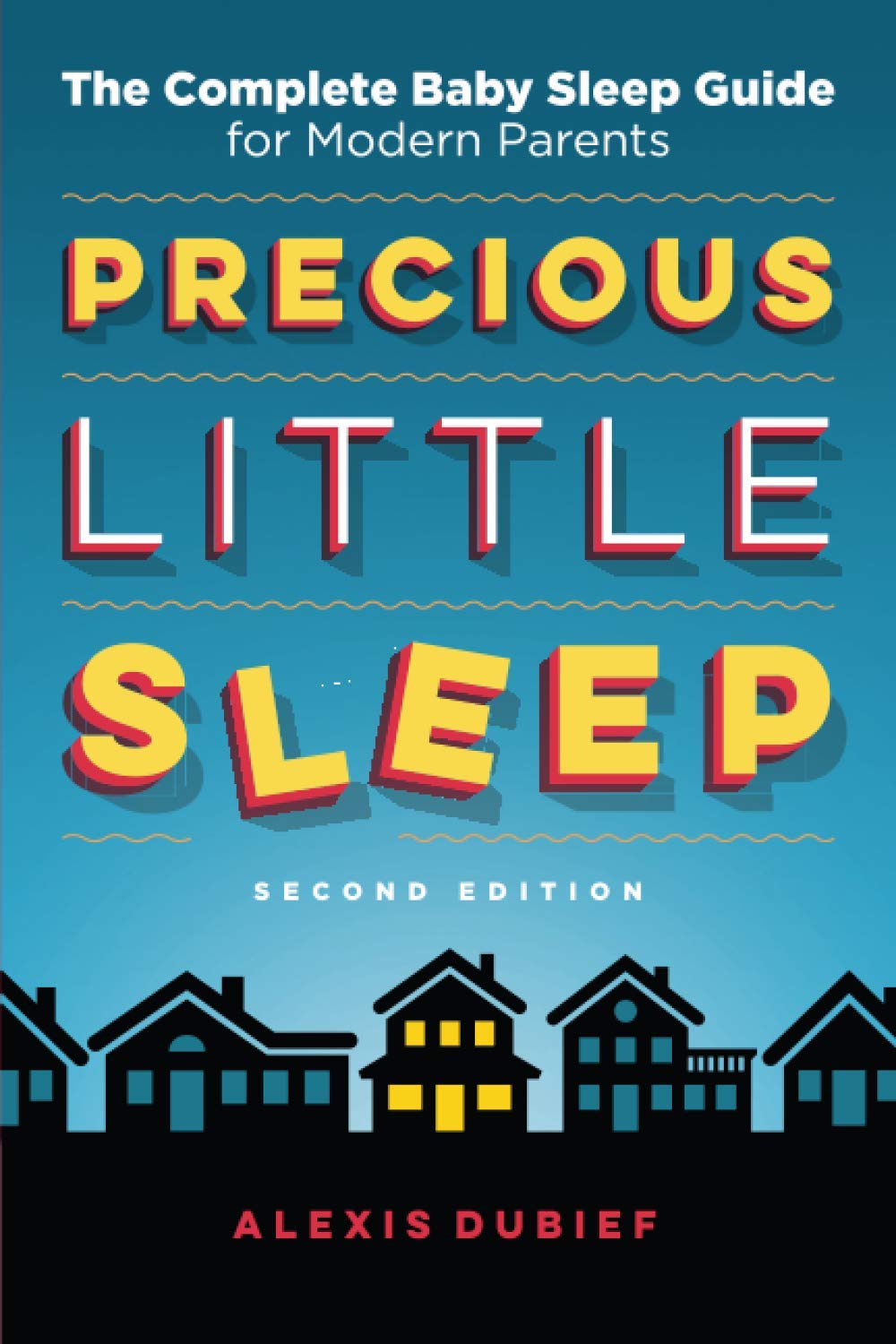
Precious Little Sleep
Alexis Dubief


 Apple Books


 60 Min Reading Time
 Audio Version Available
About this book
Babies are precious, but so is sleep! If you're exhausted and overwhelmed by conflicting advice, Precious Little Sleep is your sanity-saving guide to reclaiming those elusive hours of rest. Alexis Dubief, the witty voice behind PreciousLittleSleep.com, cuts through the noise with a refreshingly realistic, evidence-based approach to solving your baby's sleep challenges, from the newborn phase through the toddler years.
Forget rigid schedules and guilt trips. This book empowers you to understand why babies sleep the way they do, arming you with flexible strategies to tackle everything from frequent night wakings and weaning off nighttime feeds to mastering naps and navigating toddler sleep regressions. Discover practical solutions that work for your unique family, create a sleep-conducive environment, and finally get the rest you deserve. Say goodbye to sleep deprivation and hello to a well-rested baby—and a well-rested you!
Summary of Key Ideas
- •
Embrace Flexibility and Individuality
Dubief emphasizes that there is no one-size-fits-all solution to baby sleep. Parents need to find what works best for their family's unique circumstances, considering their values, baby's temperament, and any existing routines. This involves experimenting with different strategies and being flexible in adapting approaches as the baby grows and changes. Understanding that infant sleep is developmental and changes over time is also crucial.
- •
Foster Independent Sleep Skills
The book stresses the importance of teaching babies independent sleep skills. This means helping them learn to fall asleep without relying on parental crutches like rocking, feeding, or holding. By fostering self-soothing abilities, babies can connect sleep cycles more easily and sleep for longer stretches. Various gentle and gradual methods are discussed to help parents achieve this goal, always prioritizing the baby's comfort and well-being. The end goal is for the baby to fall asleep independently at bedtime and when waking during the night.
- •
Adopt a Problem-Solving Mindset
Dubief advocates for a problem-solving approach to sleep challenges. Rather than blindly following rigid schedules, parents are encouraged to identify the root cause of sleep issues. This involves observing the baby's sleep patterns, understanding their developmental stage, and considering environmental factors. By diagnosing the problem, parents can implement targeted solutions that address the specific issue, leading to more effective and sustainable results. This also includes managing expectations and understanding that setbacks are normal.
- •
Create a Consistent Bedtime Routine
Establishing a consistent and predictable bedtime routine is a cornerstone of good sleep habits. This routine signals to the baby that it's time to wind down and prepare for sleep. The routine should be calming and enjoyable, lasting around 20-30 minutes, and can include activities such as a bath, massage, reading a book, or singing a lullaby. Consistency is key, as it helps the baby associate these activities with sleep and promotes relaxation. The bedtime routine should also occur at roughly the same time each night.
- •
Understand the Science of Sleep
Understanding the science behind infant sleep is crucial for effective sleep training. Dubief explains concepts such as sleep cycles, circadian rhythms, and sleep pressure. Knowing how these factors influence sleep patterns enables parents to make informed decisions about their approach. For example, understanding sleep cycles helps parents recognize that brief night wakings are normal, while understanding sleep pressure highlights the importance of wake windows and avoiding overtiredness.
- •
Debunk Sleep Myths
Dubief tackles common sleep myths and misconceptions, providing evidence-based information to dispel inaccurate beliefs. This empowers parents to make informed decisions based on facts rather than outdated advice or societal pressures. Examples of debunked myths include the idea that babies should sleep through the night from a young age, or that sleep training is harmful. By separating fact from fiction, parents can approach sleep with realistic expectations and a more confident mindset.
- •
Prioritize Parental Well-being
The book emphasizes that parental well-being is essential for successful sleep training. Sleep-deprived parents are less able to cope with the demands of parenting and make consistent decisions. Dubief encourages parents to prioritize their own sleep and self-care, even if it means taking turns with night duties or seeking support from partners, family, or professionals. Recognizing and addressing parental burnout is crucial for creating a positive and sustainable sleep environment for the whole family.
- •
Ensure a Safe Sleep Environment
Dubief stresses the importance of a safe sleep environment to minimize the risk of Sudden Infant Death Syndrome (SIDS). This includes placing the baby on their back to sleep, using a firm mattress in a crib or bassinet, and keeping the sleep area free of loose bedding, pillows, and toys. The room should also be at a comfortable temperature. Following these guidelines creates a safe and secure environment, allowing parents to feel confident and at ease as their baby sleeps. Also, safe cosleeping practices are discussed for parents who choose to bedshare.
Chapter Recap

About The Author
Alexis Dubief
Main Quotes
"Remember the cardinal rule of kids: you can't make them eat, sleep, or poop. But you can make them go to a dark, comfortable, safe, dull place every day at the same time. What they do in there is their business. It's your business not to confuse their desire to not nap with not needing to nap."
"Even negative attention trumps no attention, so your well-intended lecture is likely reinforcing the behavior."
"You are the best parent for your child. Sometimes parenting is hard and you might feel like a failure. You aren't. You are amazing!"
"Total sleep matters more than the duration of a single nap."
"Being responsive does not mean being reactive."
"You paid for the tech, use it!"
"The goal is not necessarily to get your baby to sleep through the night, but rather to teach them how to connect sleep cycles."
"Sleep is a skill, and like any skill, it takes practice."
"Consistency is key, but flexibility is essential."
"The most important thing is to find a solution that works for your family."
Who Should Read This Book
Parents of newborns, infants, toddlers, and preschoolers struggling with their children's sleep habits
New parents seeking guidance and practical strategies for establishing healthy sleep routines
Parents looking for evidence-based and flexible approaches to sleep training
Individuals interested in a humorous and relatable perspective on the challenges of parenting and sleep deprivation
Parents who prefer a comprehensive guide covering various sleep-related issues, from naps to night wakings
Readers of parenting blogs, podcasts, and online communities focused on baby and child sleep
Those seeking alternatives to rigid or dogmatic sleep training methods
Parents of children with sleep challenges extending into the toddler and preschool years
Individuals interested in gentle and responsive sleep solutions
Parents looking for help with bedtime battles and other sleep-related behavioral issues
Book Summaries Like
Precious Little Sleep



FAQ

Free Access to LitNotes