




 DISCORD
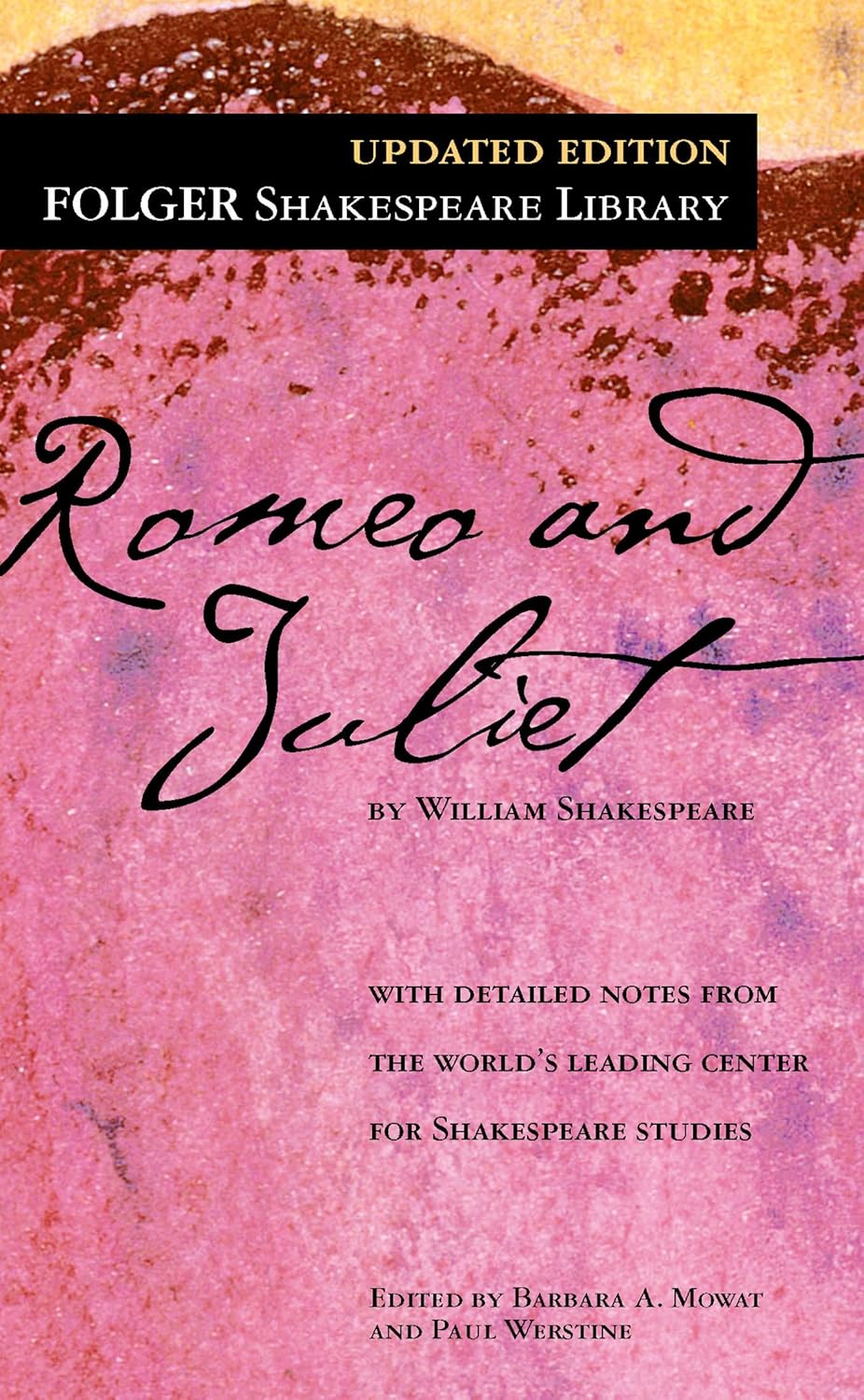
Romeo and Juliet
William Shakespeare


 Barnes & Noble Bestsellers


 21 Min Reading Time
 Audio Version Available
About this book
In fair Verona, where ancient grudges seethe, a timeless tale of love and tragedy unfolds. Romeo Montague and Juliet Capulet, star-crossed lovers from warring families, ignite a forbidden passion that defies the bitter hatred dividing their houses.
Their secret vows and stolen moments blossom into a love so profound, it promises to transcend the animosity that surrounds them. But in a world poisoned by vengeance and fueled by pride, their families' relentless feud threatens to tear them apart.
As fate conspires against them, Romeo and Juliet are driven to desperate measures, their devotion tested by exile, deceit, and the ever-present shadow of death. Will their love bridge the chasm of hate, or will it become another casualty in a senseless war?
Experience Shakespeare's immortal masterpiece, a poignant exploration of love, sacrifice, and the devastating consequences of prejudice. "Romeo and Juliet" remains a testament to the enduring power of passion and the tragic beauty of a love destined to defy all odds.
Summary of Key Ideas
- •
The All-Consuming Power of Love
The play's central theme is the overwhelming power of love, particularly romantic love. Romeo and Juliet experience an intense, all-consuming passion that transcends familial conflict and societal expectations. Their love is portrayed as both beautiful and destructive, highlighting its capacity to inspire great joy and lead to tragic consequences. The lovers are willing to defy their families and sacrifice everything for each other, showcasing love's ability to override reason and logic. Shakespeare explores different facets of love, from the initial infatuation to the profound commitment that ultimately defines Romeo and Juliet's relationship, examining its complexities and contradictions.
- •
The Destructive Nature of Hatred
The bitter feud between the Montagues and Capulets is a constant source of conflict and violence throughout the play. This long-standing hatred creates a hostile environment that ultimately dooms Romeo and Juliet's love. The play suggests that such senseless animosity can have devastating consequences, not only for those directly involved but also for the broader community. The cycle of violence perpetuates itself, fueled by pride and tradition, preventing any possibility of reconciliation. Shakespeare uses the feud to explore the destructive nature of hatred and its corrosive effects on individuals and society, highlighting the need for forgiveness and understanding.
- •
The Inexorable Grip of Fate
Fate plays a significant role in the unfolding of events in "Romeo and Juliet." The lovers are often described as "star-cross'd," suggesting that their destiny is predetermined and beyond their control. Numerous coincidences and unfortunate circumstances contribute to their tragic end, reinforcing the idea that they are victims of a larger cosmic plan. While the characters make choices that influence their fate, there is a sense that their destinies are already sealed. Shakespeare raises questions about free will versus determinism, exploring the extent to which individuals are responsible for their actions when faced with seemingly insurmountable odds.
- •
Rebellion Against Societal Norms
Romeo and Juliet's love is constantly at odds with the societal expectations and familial obligations placed upon them. They are expected to conform to the wishes of their families and uphold the traditions of their respective houses. However, their love transcends these boundaries, leading them to rebel against societal norms. The play explores the conflict between individual desires and societal pressures, highlighting the challenges of pursuing one's own happiness when it clashes with the expectations of family and community. Romeo and Juliet's defiance ultimately underscores the importance of individual agency in the face of societal constraints.
- •
The Shadow of Death
Death is a recurring motif throughout the play, foreshadowing the tragic fate of Romeo and Juliet. The lovers are constantly surrounded by death, from the violent clashes between the Montagues and Capulets to the deaths of Mercutio and Tybalt. Death serves as a constant reminder of the fragility of life and the fleeting nature of happiness. Ultimately, Romeo and Juliet's own deaths become a symbol of their unwavering love, as they choose to die rather than live without each other. Their sacrifice serves as a catalyst for reconciliation between the warring families, suggesting that even in death, love can triumph over hatred.
- •
The Impetuousness of Youth
Youthful impetuosity and rash decision-making contribute significantly to the tragic outcome of the play. Romeo and Juliet are both young and inexperienced, driven by their emotions rather than reason. Their impulsiveness leads them to make hasty decisions, such as their secret marriage and Romeo's rash act of killing Tybalt. The play serves as a cautionary tale about the dangers of acting without thinking, particularly in matters of love and conflict. Shakespeare suggests that maturity and wisdom are necessary to navigate the complexities of life and avoid tragic consequences.
- •
The Duality of Light and Dark
The contrast between light and dark is a recurring motif in "Romeo and Juliet", used to symbolize opposing forces and themes within the play. Light often represents love, beauty, and hope, while darkness embodies hate, despair, and death. Romeo frequently associates Juliet with light, praising her radiant beauty and comparing her to the sun. Conversely, the darkness of the night provides cover for secret meetings and illicit acts, highlighting the clandestine nature of their love. The interplay between light and dark underscores the conflicting emotions and circumstances that surround Romeo and Juliet's relationship, emphasizing the tension between love and hate, hope and despair.
- •
The Perils of Miscommunication
Miscommunication and misunderstanding are key drivers of the play's tragic events. Crucial information is often delayed, distorted, or misinterpreted, leading to disastrous consequences. Romeo's failure to receive Friar John's message about Juliet's feigned death is a prime example of how miscommunication can alter the course of events. Similarly, the characters' tendency to jump to conclusions and act based on incomplete information contributes to the overall sense of tragedy. Shakespeare highlights the importance of clear and accurate communication in preventing conflict and promoting understanding, suggesting that misunderstandings can have devastating consequences in both personal relationships and broader societal contexts.
Chapter Recap

About The Author
William Shakespeare
Main Quotes
"But, soft! what light through yonder window breaks?"
"It is the east, and Juliet is the sun."
"O Romeo, Romeo! wherefore art thou Romeo?"
"Deny thy father and refuse thy name;"
"Or, if thou wilt not, be but sworn my love,"
"And I’ll no longer be a Capulet."
"What's in a name? That which we call a rose"
"By any other word would smell as sweet."
"My bounty is as boundless as the sea,"
"My love as deep; the more I give to thee,"
"The more I have, for both are infinite."
"These violent delights have violent ends"
"And in their triumph die, like fire and powder."
"For you and I are past our dancing days."
"A plague o' both your houses!"
"Good night, good night! parting is such sweet sorrow,"
"That I shall say good night till it be morrow."
"My only love sprung from my only hate!"
"Too early seen unknown, and known too late!"
"O, I am fortune’s fool!"
Who Should Read This Book
High school and college students studying Shakespeare and classic literature
Fans of romantic tragedies
Individuals interested in historical plays and Renaissance literature
Theatergoers and drama enthusiasts
Readers interested in themes of love, fate, and family conflict
Students of English literature and language
General readers seeking classic works of literature
People who enjoy adaptations and interpretations of classic stories
Young adults interested in stories about first love and rebellion
Individuals interested in exploring universal themes of love and loss
Book Summaries Like
Romeo and Juliet
FAQ

Free Access to LitNotes