




 DISCORD
Scary Stories to Tell in the Dark
Alvin Schwartz


 Apple Books


 17 Min Reading Time
 Audio Version Available
About this book
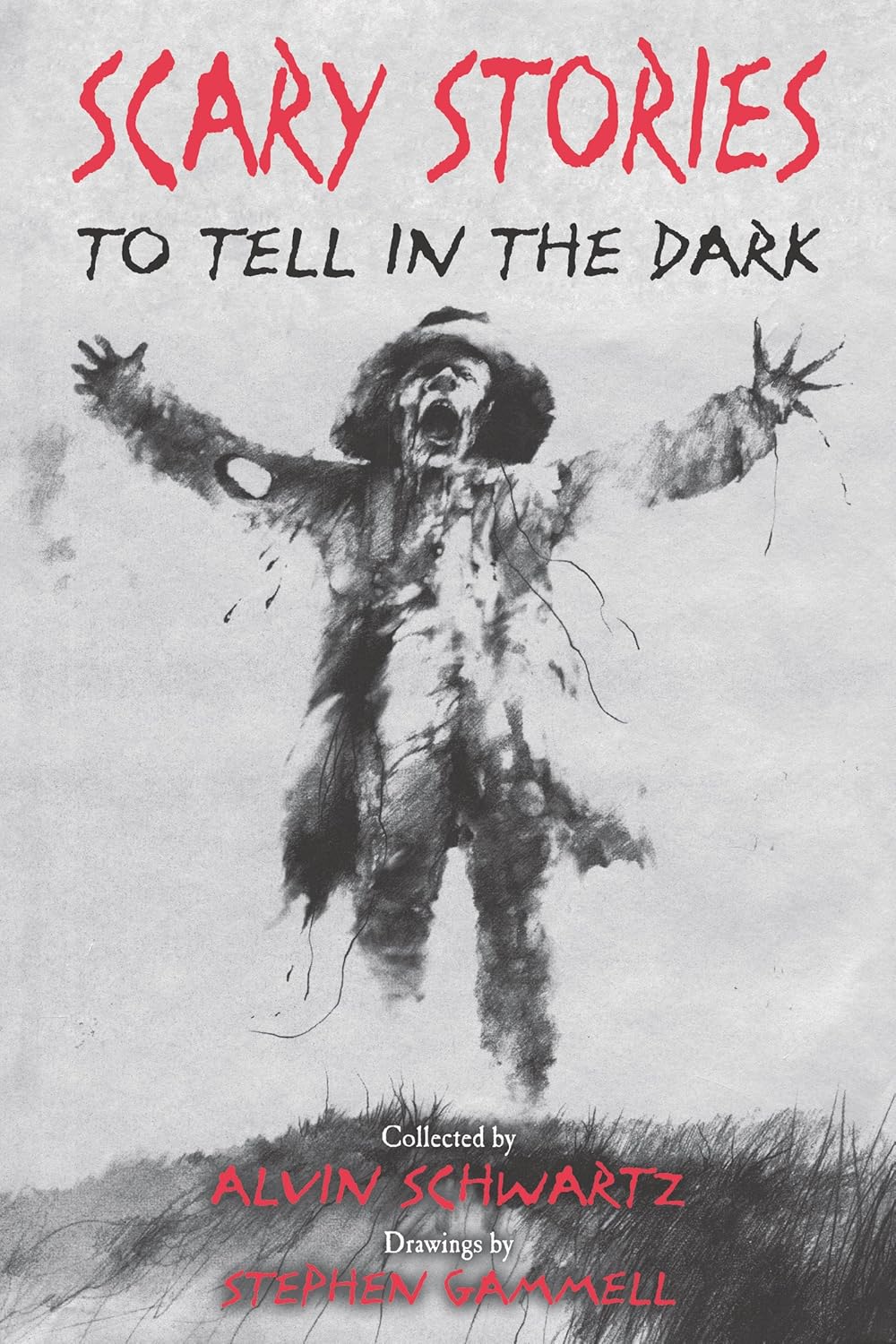
Dare to enter a world of chilling horror and dark revenge in Scary Stories to Tell in the Dark.
Collected by folklorist Alvin Schwartz, this timeless anthology unleashes some of the most alarming tales of the supernatural and macabre. From skeletons with torn flesh to vengeful ghosts and haunted houses, each story is guaranteed to thrill and terrify.
Enhanced by Stephen Gammell's original spooky artwork, this complete edition captures the eerie mood of more than two dozen scary stories and songs, perfect for reading alone or sharing aloud in the dark. Are you brave enough?
Summary of Key Ideas
- •
The Power of Oral Tradition
"The Power of Oral Tradition" centers on how stories, particularly scary ones, are passed down through generations by word of mouth. Alvin Schwartz collected these tales from folklore, highlighting their evolution and adaptation as they are retold. This key idea emphasizes the communal aspect of storytelling and how each retelling subtly alters the narrative, reflecting the fears and beliefs of the teller and the audience. The book itself acts as a preservation of this tradition, capturing these ephemeral stories in a tangible form for a wider audience, ensuring their survival beyond the campfire.
- •
Exploration of Universal Fears
"Exploration of Universal Fears" underlines how the stories tap into fundamental human anxieties. Schwartz masterfully identifies and presents scenarios that resonate with common phobias, such as fear of the unknown, fear of bodily harm, and fear of the supernatural. These anxieties are not bound by age or culture, making the stories universally relatable and frightening. By confronting these fears in a safe, fictional context, the book provides a cathartic experience for readers, allowing them to acknowledge and process their own anxieties in a controlled environment. This exploration is a key reason for the book's lasting appeal.
- •
Blending Folklore and Horror
"Blending Folklore and Horror" demonstrates how Schwartz draws heavily from established folklore and urban legends, reinterpreting them through a horror lens. By sourcing his material from existing cultural narratives, he gives the stories a sense of authenticity and credibility, making them even more unsettling. Readers are not just encountering invented monsters, but echoes of age-old fears and cautionary tales that have been circulating for decades, if not centuries. This interweaving of folklore with horror heightens the sense of unease, suggesting that these terrors are deeply ingrained in our collective consciousness.
- •
The Impact of Gore and the Grotesque
"The Impact of Gore and the Grotesque" refers to Schwartz's unapologetic use of graphic imagery and disturbing scenarios. The stories often feature gruesome details and shocking twists, pushing the boundaries of what is considered acceptable in children's literature. This deliberate use of gore contributes significantly to the book's scare factor and its controversial reputation. While some critics have condemned the violence as gratuitous, others argue that it serves a purpose in confronting readers with the realities of death and decay, albeit in a fictionalized context.
- •
Unresolved Endings and Ambiguity
"Unresolved Endings and Ambiguity" underscores how many of the stories lack definitive conclusions, leaving readers with lingering questions and a sense of unease. Rather than providing neat resolutions, Schwartz often opts for open endings that force the audience to imagine the worst possible outcome. This ambiguity amplifies the horror, as the true terror lies not in what is explicitly shown, but in what is left to the imagination. By refusing to provide closure, the stories continue to haunt readers long after they have finished reading, cementing their place in the realm of unsettling tales.
- •
The Power of Suggestion
"The Power of Suggestion" focuses on how the stories rely on suggestion and implication rather than explicit description to create fear. Schwartz often uses subtle hints and unsettling imagery to build suspense, allowing the reader's imagination to fill in the gaps. This technique is particularly effective in creating a sense of dread, as the unknown is often more terrifying than any concrete monster. By trusting the reader to actively participate in the construction of the horror, Schwartz creates a deeply immersive and unsettling reading experience.
Chapter Recap

About The Author
Alvin Schwartz
Main Quotes
"Don't you ever laugh as the hearse goes by,"
"For you may be the next to die."
"If you do not stop, I will go away and take Arthur with me. And you will get a new mother with glass eyes and a wooden tail."
"The worms crawl in, the worms crawl out,"
"The worms play pinochle on your snout."
"They eat your eyes, they eat your nose,"
"They eat the jelly between your toes."
"The boy screamed and screamed and screamed. And then he stopped. And he listened. And he heard his own voice screaming back at him."
"It was like a ship without a belt."
"And when the ship began to sail,"
"It was like a bird without a tail."
"And when the bird began to fly,"
"It was ..."
"Maybe you don't see it, but I do. And I'm not any crazier than you are."
"Some people believe that if we repeat stories often enough they become real. They make us who we are. That can be scary."
"It was called “Nice sharp knife”"
"When I Wake Up, Everything Will Be Alright"
"Oh, Susannah!"
Who Should Read This Book
Children and young teens (ages 10-14) interested in horror and scary stories
Fans of folklore and urban legends
Readers who enjoy spooky and suspenseful tales
Individuals who appreciate the nostalgia of the book from their childhood (adults in their 30s-50s)
Parents and educators looking for age-appropriate scary stories for children
Book Summaries Like
Scary Stories to Tell in the Dark
FAQ

Free Access to LitNotes