




 DISCORD
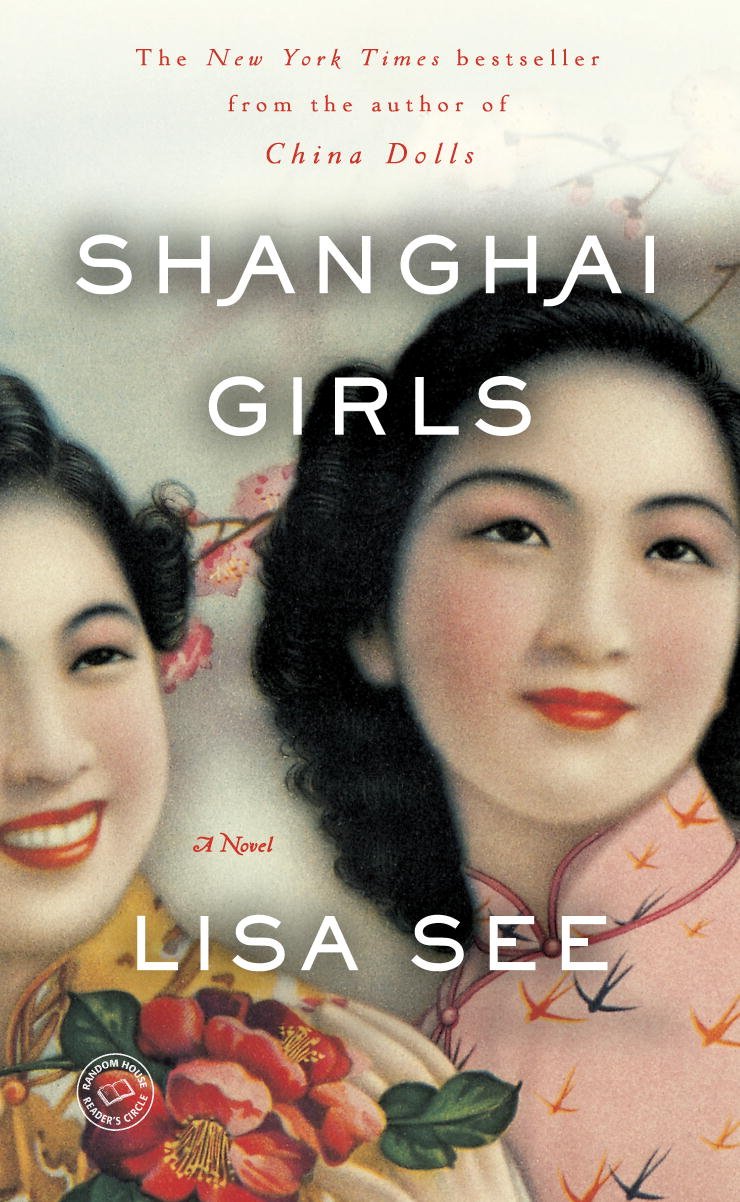
Shanghai Girls
Lisa See


 Goodreads Choice Awards


 108 Min Reading Time
 Audio Version Available
About this book
In the vibrant, glittering Shanghai of 1937, sisters Pearl and May live lives of carefree beauty and privilege. But their world shatters when their father gambles away their fortune and forces them to become brides to strangers from America to settle his debts. As Japanese bombs begin to fall on their beloved city, Pearl and May embark on a perilous journey that will lead them through war-torn China and across the Pacific to the shores of Los Angeles.
In the labyrinth of Chinatown, they face the harsh realities of immigration, discrimination, and arranged marriages, striving to build new lives while clinging to their identities as Shanghai girls. Yet, beneath the surface of their struggles lie petty jealousies, unspoken rivalries, and a devastating secret that will test the unbreakable bond between them. From the seduction of Hollywood to the suffocating weight of tradition and McCarthy-era paranoia, their path is fraught with impossible choices and heartbreaking sacrifices. At its core, this is a powerful story of sisterhood, resilience, and the enduring search for love and belonging against the backdrop of a tumultuous era.
Summary of Key Ideas
- •
The Unbreakable Bond of Sisterhood
At its core, "Shanghai Girls" explores the profound and complex relationship between sisters Pearl and May. Their bond is tested time and again through forced marriages, immigration, cultural clashes, and devastating secrets. Despite facing immense hardship and betrayal, their loyalty and love for each other remain a constant source of strength and resilience. The novel highlights how family, particularly sisterhood, can provide solace and a sense of identity in the face of overwhelming adversity. This theme underscores the importance of familial connections in navigating life's challenges and preserving cultural heritage.
- •
Loss of Innocence and the Harsh Realities of War
The sisters' privileged lives in Shanghai are shattered by the Japanese invasion, forcing them into arranged marriages and ultimately, exile. This abrupt transition signifies a loss of innocence as they are thrust into a world of hardship, forced labor, and discrimination. The war serves as a catalyst for their personal growth and resilience, compelling them to confront the brutal realities of survival and adapt to a drastically different environment. Their experiences highlight the devastating impact of war on individuals and families, and the enduring strength of the human spirit in the face of unimaginable suffering.
- •
The Immigrant Experience and the Search for Identity
"Shanghai Girls" delves into the challenges faced by Chinese immigrants in America during the mid-20th century. Pearl and May encounter prejudice, cultural misunderstandings, and economic hardship as they attempt to build new lives in Los Angeles. Their struggle to assimilate while preserving their cultural heritage creates a sense of displacement and a longing for their homeland. The novel explores the complexities of identity formation in a foreign land, the importance of community support, and the sacrifices made by immigrants in pursuit of a better future for their children.
- •
Secrets and Deception: The Burden of the Past
Secrets and lies permeate the lives of the characters, particularly surrounding May's past and the true parentage of Pearl's son, Joy. These concealed truths create tension and mistrust, ultimately threatening to unravel the sisters' relationship and their family. The novel explores the damaging consequences of deception and the importance of honesty and forgiveness in maintaining strong bonds. The burden of the past weighs heavily on the characters, forcing them to confront difficult choices and grapple with the moral implications of their actions.
- •
Motherhood and Sacrifice: A Generational Legacy
The theme of motherhood is central to the narrative, exploring the complex dynamics between mothers and daughters and the sacrifices women make for their children. Pearl's relationship with Joy is fraught with challenges, stemming from the secrets surrounding Joy's birth and Pearl's own emotional struggles. The novel examines the enduring power of maternal love, the expectations placed upon women as mothers, and the intergenerational impact of trauma and resilience. The story also illustrates how cultural values shape parenting styles and the transmission of traditions across generations.
- •
Art as a Reflection of Life and Cultural Identity
Art plays a significant role in "Shanghai Girls," both as a profession for the sisters in their youth and as a metaphor for their lives. Their experiences as models for paintings reflect the idealized image of Chinese women and the constraints placed upon them. Later, art becomes a means of preserving cultural heritage and expressing unspoken emotions. The novel suggests that art can serve as a powerful tool for self-discovery, healing, and cultural preservation, providing a lens through which to examine identity, memory, and the human condition.
Chapter Recap

About The Author
Lisa See
Main Quotes
"I thought I was modern. I thought I had choice. I thought I was nothing like my mother. But my father's gambling has swept all that away."
"Mama used to tell us a story about a cicada sitting high in a tree. It chirps and drinks in dew, oblivious to the praying mantis behind it."
"You always played the princess. I always had to be the scholar, prince, emperor, and bandit."
"Because somehow, some way, I'm going to find Joy, and I'm going to bring my daughter, our daughter, home to my sister and me."
"May and I are sisters. We'll always fight, but we'll always make up as well. That's what sisters do: we argue, we point out each other's flaws, and we try to make each other better."
"We're told that men are strong & brave, but I think women know how to endure, accept defeat & bear physical & mental agony much better than men."
"The sea is better than a mother. You can love your mother, and she still might leave you. You can love or hate the sea, but it will always be there."
"When you don't have much, having less isn't so bad."
"Don't ever feel that you have to hide who you are. Nothing good ever comes from keeping secrets like that."
"We are their caretakers. We love them. We nurse them when they are sick. But no woman should live longer than her children. It is against the law of nature."
Who Should Read This Book
Readers of historical fiction
Fans of novels centered on family sagas and sister relationships
Individuals interested in Chinese culture and history, particularly the period of 1930s Shanghai and its impact on Chinese-American immigration
Book club members seeking discussion-worthy themes such as immigration, arranged marriages, and intergenerational conflict
Readers who enjoy immersive storytelling with detailed settings and emotional depth
Book Summaries Like
Shanghai Girls


FAQ

Free Access to LitNotes