




 DISCORD
Sharp Objects
Gillian Flynn


 Apple Books


 38 Min Reading Time
 Audio Version Available
About this book
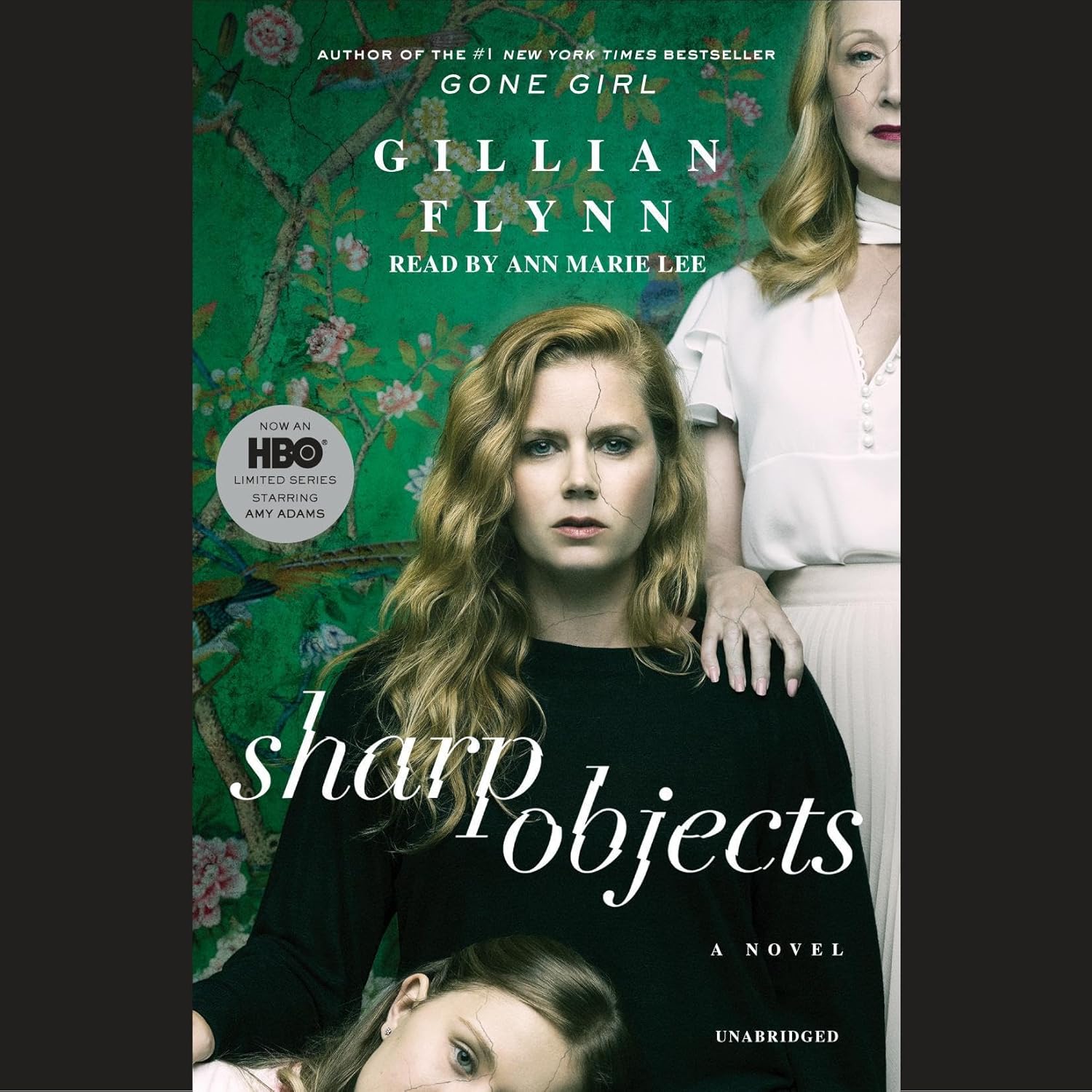
Haunted by a troubled past, reporter Camille Preaker is fresh from a psychiatric hospital when she's assigned a chilling task: return to her suffocating hometown of Wind Gap, Missouri, and investigate the gruesome murders of two young girls.
Reunited with her aloof, hypochondriac mother and a precocious, enigmatic half-sister with a disturbing hold on the town, Camille finds herself sinking deeper into the secrets and suffocating atmosphere of her childhood home. As she identifies all too closely with the victims, she must confront her own demons and unravel the dark psychological puzzle of her family's history before she loses herself completely. Can Camille expose the truth and survive this homecoming, or will the sharp edges of her past cut her too deep?
Summary of Key Ideas
- •
The Intergenerational Cycle of Abuse
The cycle of abuse is a central theme in "Sharp Objects." It explores how trauma and mistreatment are passed down through generations, particularly within the Preaker family. Adora's Munchausen by proxy, Camille's self-harm, and Amma's violent tendencies all exemplify this cycle. The novel illustrates how individuals who have experienced abuse often perpetuate it, either consciously or unconsciously, creating a toxic environment that hinders healing and reinforces destructive behaviors. This cycle is deeply embedded in the social fabric of Wind Gap, reflecting a broader societal issue.
- •
The Fragility and Performance of Identity
Identity is fluid and often constructed in response to trauma and environment. Camille's identity is fragmented and largely defined by her scars, both physical and emotional. She struggles to reconcile her past with her present, constantly grappling with who she is versus who others perceive her to be. Amma, too, crafts different identities – the innocent child versus the manipulative ringleader – as a means of control and survival. The novel suggests that identity is not fixed but rather a performance shaped by external forces and internal struggles.
- •
The Darkness Hidden in Small-Town Secrets
Small-town secrets and the suffocating nature of repressed memories permeate "Sharp Objects." Wind Gap is a community steeped in tradition and gossip, where long-held secrets fester beneath a veneer of Southern charm. The past haunts the present, influencing the actions and relationships of its inhabitants. Camille's return to Wind Gap forces her to confront these buried memories, unearthing the dark underbelly of the town and its inhabitants. The novel uses the setting to emphasize the claustrophobic atmosphere and the weight of unspoken truths.
- •
The Destructive Force of Female Rage
Female rage and its destructive manifestations are a powerful theme. Camille's self-harm and Amma's violent acts are expressions of deep-seated anger and frustration stemming from their experiences of abuse and neglect. The novel explores how women, often denied direct expressions of anger, channel their rage inward or through indirect means. It challenges societal expectations of female passivity and reveals the complex and often disturbing ways in which female rage can manifest when left unaddressed.
- •
The Toxic Bonds of Motherhood
Mother-daughter relationships are portrayed as complex and often toxic. The dynamic between Camille and Adora is particularly fraught with manipulation, neglect, and emotional abuse. Adora's Munchausen by proxy creates a twisted bond with Amma, while simultaneously alienating Camille. The novel examines the ways in which mothers can inflict profound emotional damage on their daughters, shaping their identities and influencing their future relationships. It highlights the lasting impact of maternal figures on a woman's sense of self-worth and well-being.
- •
The Enduring Scars of Trauma
The novel delves into the psychological impact of trauma. Camille's self-harm and emotional detachment are direct consequences of her traumatic experiences. The story explores how trauma can manifest in various forms, including self-destructive behaviors, substance abuse, and difficulty forming healthy relationships. It highlights the long-term effects of childhood abuse and the challenges individuals face in overcoming their past traumas. The narrative emphasizes the importance of acknowledging and addressing trauma to begin the healing process.
Chapter Recap

About The Author
Gillian Flynn
Main Quotes
"People aren't supposed to be awake at 3 A.M. They're supposed to be dreaming."
"That's the point of small towns: They excruciate slowly, so you don't notice."
"I kept bumping into that word. Savage."
"Here was my secret: I was fine with myself, who I was at that moment."
"But stories don't fix themselves, especially when they're as twisted as family histories."
"It was one of those places where even day felt like night."
"I was embarrassed to be alive and doing so well."
"A child weaned on poison considers harm a comfort."
"They always call depression the blues, but I would have been happy to waken to a periwinkle outlook."
"Sometimes I think illness sits inside every woman, waiting for the right moment to bloom."
Who Should Read This Book
Readers of dark, psychological thrillers
Fans of Gillian Flynn's other works (e.g., "Gone Girl")
Adults interested in complex female characters and dysfunctional family dynamics
Readers who enjoy Southern Gothic settings and themes
Those who appreciate suspenseful, character-driven stories with elements of mystery and crime
Individuals interested in explorations of trauma, mental health, and female rage
Readers of authors like Megan Miranda, Ruth Ware, and Tana French
Book Summaries Like
Sharp Objects
![The Tenant [Large Print].](https://altauri-public.s3.amazonaws.com/litnotes/BookCover/gbs_686aee471d4dee74794ba556.jpeg)
FAQ

Free Access to LitNotes