




 DISCORD
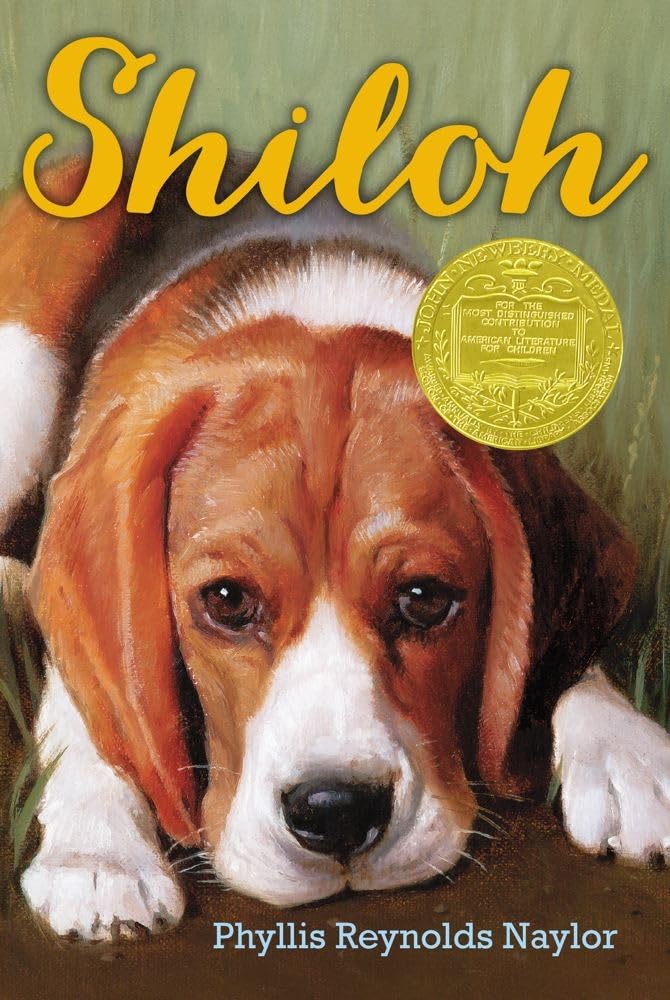
Shiloh
Phyllis Reynolds Naylor


 Apple Books


 15 Min Reading Time
 Audio Version Available
About this book
When Marty Preston discovers a mistreated beagle trembling in the hills behind his home, he knows he has to help. The dog, whom he names Shiloh, is being abused by his owner, Judd Travers, a mean-spirited man Marty knows he can't trust. Despite his family's poverty and the disapproval of his father, Marty is determined to protect Shiloh, even if it means lying and disobeying his parents.
As Marty's secret grows, so does the weight of his choices. He faces a moral dilemma: How far will he go to save Shiloh? Can he find a way to right a wrong without compromising his own values and the trust of his family?
Set in the rural landscape of West Virginia, Shiloh is a powerful story about compassion, courage, and the lengths one boy will go to for a friend. This Newbery Medal-winning novel explores themes of animal abuse, ethical decision-making, and the importance of standing up for what you believe in, even when it's difficult.
Summary of Key Ideas
- •
Unwavering Compassion for the Helpless
The Power of Compassion: At its heart, "Shiloh" explores the profound impact of compassion, particularly through Marty's unwavering empathy for Shiloh, the abused beagle. Marty's compassion drives his actions, leading him to defy societal norms and challenge the authority of adults. This central theme highlights the transformative power of empathy, demonstrating how caring for another being can inspire courage, sacrifice, and a deep sense of moral responsibility. Marty’s connection with Shiloh emphasizes the importance of extending compassion to all living creatures, regardless of their circumstances. This idea resonates with readers, encouraging them to recognize and act upon their own feelings of empathy.
- •
Navigating the Gray Areas of Morality
Moral Dilemmas and Ethical Growth: Marty faces numerous moral dilemmas throughout the book, forcing him to grapple with complex questions of right and wrong. His decision to hide Shiloh from Judd Travers, the dog's abusive owner, puts him at odds with his parents and the law. As the story progresses, Marty learns that ethical choices are not always clear-cut and that doing what is right may require him to bend the rules. This theme emphasizes the challenges of moral growth and the importance of critical thinking when faced with difficult decisions. It encourages readers to consider the consequences of their actions and to develop their own moral compass.
- •
Beyond the Law: Seeking True Justice
The Complexity of Justice: "Shiloh" delves into the complexities of justice, questioning whether legal ownership equates to moral authority. Judd Travers is legally entitled to Shiloh, but his mistreatment of the dog raises serious ethical concerns. Marty's struggle to protect Shiloh highlights the tension between legal rights and moral obligations. The story suggests that true justice involves considering the well-being of all parties involved, including vulnerable animals. Ultimately, the book challenges readers to examine their own beliefs about justice and to consider the importance of advocating for those who cannot protect themselves.
- •
Bonds of Trust and Unwavering Loyalty
The Importance of Trust and Loyalty: Trust and loyalty are essential elements in "Shiloh", shaping Marty's relationships with his family, friends, and, most importantly, Shiloh. Marty's loyalty to Shiloh compels him to deceive his parents, creating a conflict between his love for his family and his commitment to the dog. As the story unfolds, Marty learns the value of honesty and the importance of earning the trust of others. The bond between Marty and Shiloh exemplifies the power of unconditional loyalty and the profound connection that can exist between humans and animals. This theme underscores the significance of building strong, trusting relationships and honoring commitments.
- •
The Ripple Effect: Actions and Their Repercussions
Consequences of Actions: "Shiloh" underscores the idea that every action has consequences, both intended and unintended. Marty's choices, driven by his desire to protect Shiloh, have a ripple effect on his family, his community, and himself. His initial act of hiding Shiloh leads to a series of compromises and difficult decisions, forcing him to confront the repercussions of his actions. Similarly, Judd Travers' abusive behavior has far-reaching consequences, impacting Shiloh's well-being and shaping Marty's perception of justice. This theme serves as a reminder that individuals are responsible for the impact of their choices and that even well-intentioned actions can have unforeseen outcomes.
- •
The Intertwined Lives of Humans and Animals
Animal-Human Relationships: The novel explores the profound and complex relationship between humans and animals. Marty's deep connection with Shiloh demonstrates the capacity for empathy, understanding, and unconditional love that can exist between species. Shiloh's vulnerability and dependence on Marty highlight the responsibility humans have to protect and care for animals. The story also contrasts Marty's compassionate approach with Judd Travers' abusive behavior, illustrating the different ways in which humans can interact with animals. Ultimately, "Shiloh" promotes a message of respect for all living creatures and emphasizes the importance of treating animals with kindness and compassion.
- •
The Strength of Family Bonds
Family Values and Support: While Marty's actions initially cause conflict within his family, "Shiloh" ultimately celebrates the importance of family values and support. Despite their initial disapproval, Marty's parents eventually recognize his genuine compassion for Shiloh and offer their support. Their willingness to listen to Marty and understand his perspective strengthens their bond and reinforces the importance of open communication. The story highlights the role of family in providing guidance, encouragement, and unconditional love, even when faced with difficult situations. This theme underscores the enduring power of family connections and the importance of standing by loved ones.
- •
The Potential for Redemption and Growth
Redemption and Change: One of the most compelling themes in "Shiloh" is the possibility of redemption and change. Judd Travers, initially portrayed as a cruel and abusive character, undergoes a transformation throughout the story. Through Marty's persistent efforts and acts of kindness, Judd begins to recognize the error of his ways and takes steps toward becoming a better person. While his transformation is not immediate or complete, it demonstrates that even individuals who have made mistakes are capable of learning and growing. This theme offers a message of hope and encourages readers to believe in the possibility of positive change, even in the face of seemingly insurmountable challenges.
Chapter Recap

About The Author
Phyllis Reynolds Naylor
Main Quotes
"“If Jesus ever comes back to earth again, I'm thinking, he'll come as a dog, because there isn't anything as humble or patient or loving or loyal as the dog I have in mind.”"
"“A lie. That's a flat-out lie. Funny how one lie leads to another and before you know it, your whole life can be a lie.”"
"“You get a dog on your mind, it seems to fill up the whole space. Everything you do reminds you of that dog.”"
"“Never shoot at anything moving, though. Never had the slightest wish.”"
"“Don't have to mark a dog to hurt him, I'm thinking.”"
"“I done something I shouldn't have done, but if I had it to do over, I don't know that I'd do any different.”"
"“It’s not just the way he looks at me. It’s the way he looks at everything.”"
"“After Shiloh come to live with us, two things happened. One started out bad and ended good.”"
"“When I thought on all the things I'd done with my own dad and how Judd could only remember hunting. Well, that was pitiful for a lifetime.”"
"“I guess a dog's story ain't—isn't—ever over, even after he dies, 'cause if you lose a pet, you still go on loving him.”"
Who Should Read This Book
Children aged 8-12 (especially strong readers in middle elementary grades)
Middle grade readers interested in animal stories and themes of morality, ethics, and responsibility
Animal lovers of all ages
Families looking for a book to read together and discuss ethical dilemmas
Educators seeking literature to teach empathy and decision-making
Readers interested in stories set in rural America (West Virginia)
Book Summaries Like
Shiloh
FAQ

Free Access to LitNotes