




 DISCORD
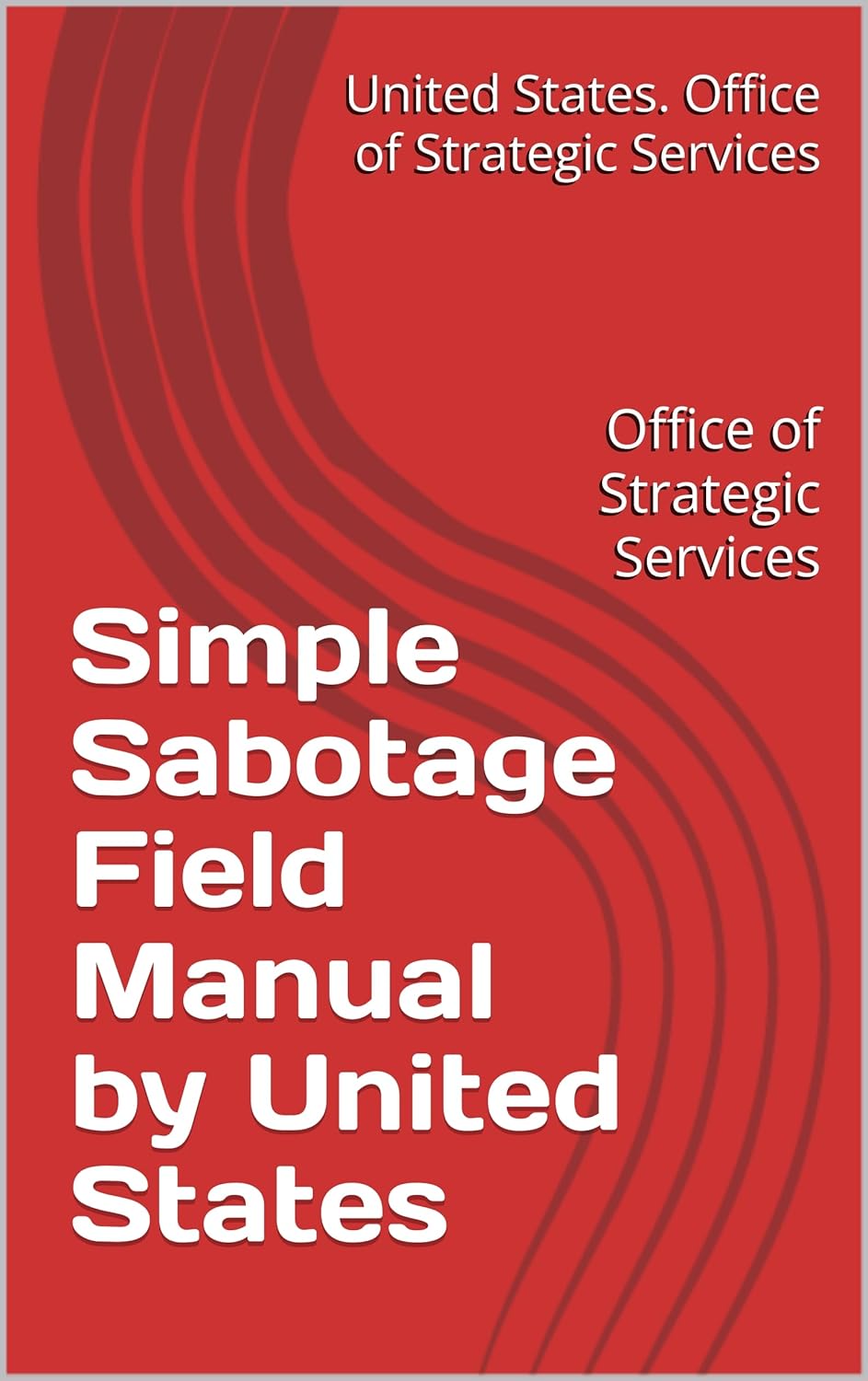
Simple Sabotage Field Manual
United States. Office of Strategic Services


 Apple Books


 7 Min Reading Time
 Audio Version Available
About this book
Discovered in the archives of the CIA, the Simple Sabotage Field Manual is a genuine World War II-era guide created by the U.S. Office of Strategic Services (OSS)—the precursor to the CIA—for resistance fighters operating behind enemy lines.
Declassified and now available to the public, this astonishing handbook unveils a collection of surprisingly simple yet remarkably effective techniques for disrupting enemy operations. From subtle acts of obstruction to the deliberate fostering of confusion and inefficiency, the manual provides a fascinating glimpse into the hidden world of wartime sabotage.
Learn how to tie up transportation, disrupt communication, and generally wreak havoc on enemy morale—all through seemingly innocent actions. A must-read for history buffs, students of espionage, and anyone intrigued by the power of unconventional warfare, the Simple Sabotage Field Manual offers a unique and captivating perspective on the art of resistance. Discover the lost secrets of simple sabotage and marvel at the ingenuity of those who fought for freedom with cunning and guile.
Summary of Key Ideas
- •
Empowering Citizens Through Simple Sabotage
The "Simple Sabotage Field Manual" outlines methods for ordinary citizens to undermine enemy efforts during wartime through simple, non-violent acts. The core idea revolves around disrupting efficiency and morale within enemy organizations by subtly hindering their operations. It emphasizes that widespread, small-scale acts of sabotage can collectively have a significant impact on the enemy's ability to function effectively. This approach empowers individuals to contribute to the war effort without engaging in direct combat, making sabotage accessible to a broader population.
- •
Weaponizing Bureaucracy for Inefficiency
A central theme is the exploitation of bureaucracy to create inefficiencies. The manual suggests tactics such as insisting on doing everything through proper channels, referring matters to committees, and raising irrelevant issues to delay decision-making. By bogging down processes with red tape and unnecessary procedures, saboteurs can significantly slow down productivity and create frustration within enemy organizations. This highlights how bureaucratic structures, when manipulated, can become powerful tools for disruption.
- •
Undermining Resources Through Waste and Damage
The manual stresses the importance of wasting resources and damaging equipment to hinder the enemy's capabilities. Tactics include using tools improperly, neglecting maintenance, and subtly damaging materials and machinery. By causing minor breakdowns and increasing the need for repairs, saboteurs can disrupt production schedules and deplete valuable resources. This approach focuses on undermining the enemy's material assets and operational capacity through seemingly insignificant acts of destruction.
- •
Cultivating Chaos and Disorganization
Creating confusion and disorganization is a key strategy outlined in the manual. This involves tactics such as misfiling documents, spreading rumors, and generally creating a chaotic work environment. By disrupting communication and making it difficult for individuals to find information or coordinate their efforts, saboteurs can significantly reduce efficiency and create a sense of unease within enemy organizations. The idea is that a disorganized enemy is less effective and more vulnerable.
- •
Fostering Discord and Non-Cooperation
The manual encourages employees to be generally uncooperative and to foster dissent within their organizations. Tactics include arguing over minor points, obstructing the work of colleagues, and generally being disagreeable. By creating a hostile and unproductive work environment, saboteurs can undermine morale and reduce overall efficiency. This approach focuses on disrupting teamwork and creating friction among employees, ultimately hindering the organization's ability to achieve its goals.
- •
Sabotaging Leadership and Decision-Making
The "Simple Sabotage Field Manual" also addresses leadership and decision-making. It suggests tactics such as making long speeches, telling irrelevant anecdotes, and constantly bringing up past problems. By monopolizing meetings and derailing discussions, saboteurs can prevent effective decision-making and waste valuable time. This undermines the confidence in leadership and disrupts the flow of information, further contributing to the organization's inefficiency and overall dysfunction.
Chapter Recap

About The Author
United States. Office of Strategic Services
Main Quotes
"Make a faulty decision."
"When possible, refer all matters to committees, for “handling”."
"Bring up irrelevant issues as frequently as possible."
"Haggle over precise wordings of communications, minutes, resolutions."
"Advocate caution. Be “reasonable” and urge your fellow conferees to be “reasonable” and avoid haste which might result in embarrassment or difficulties later on."
"Hold conferences when there is more critical work to be done."
"Multiply paper work for which you alone can make final decisions."
"To lower employee morale, and production, be pleasant to inefficient workers; give them undeserved promotions."
"Complain that these things are preventing you from doing your job right."
"Generally impede the organization and movement of materials."
Who Should Read This Book
Readers interested in World War II history and espionage tactics
Individuals interested in understanding organizational dysfunction and counterproductive work behaviors
Students of management, organizational behavior, and psychology
People looking for humorous or ironic guides to workplace dynamics
Those interested in historical documents from government agencies like the OSS/CIA
Readers interested in resistance and subversion tactics
Individuals seeking insights into bureaucratic inefficiencies
People interested in understanding the roots of modern sabotage techniques
Readers of military history
Fans of declassified government documents
Book Summaries Like
Simple Sabotage Field Manual


FAQ

Free Access to LitNotes