




 DISCORD
So Far Gone
Jess Walter


 Indie Bestsellers


 61 Min Reading Time
 Audio Version Available
About this book
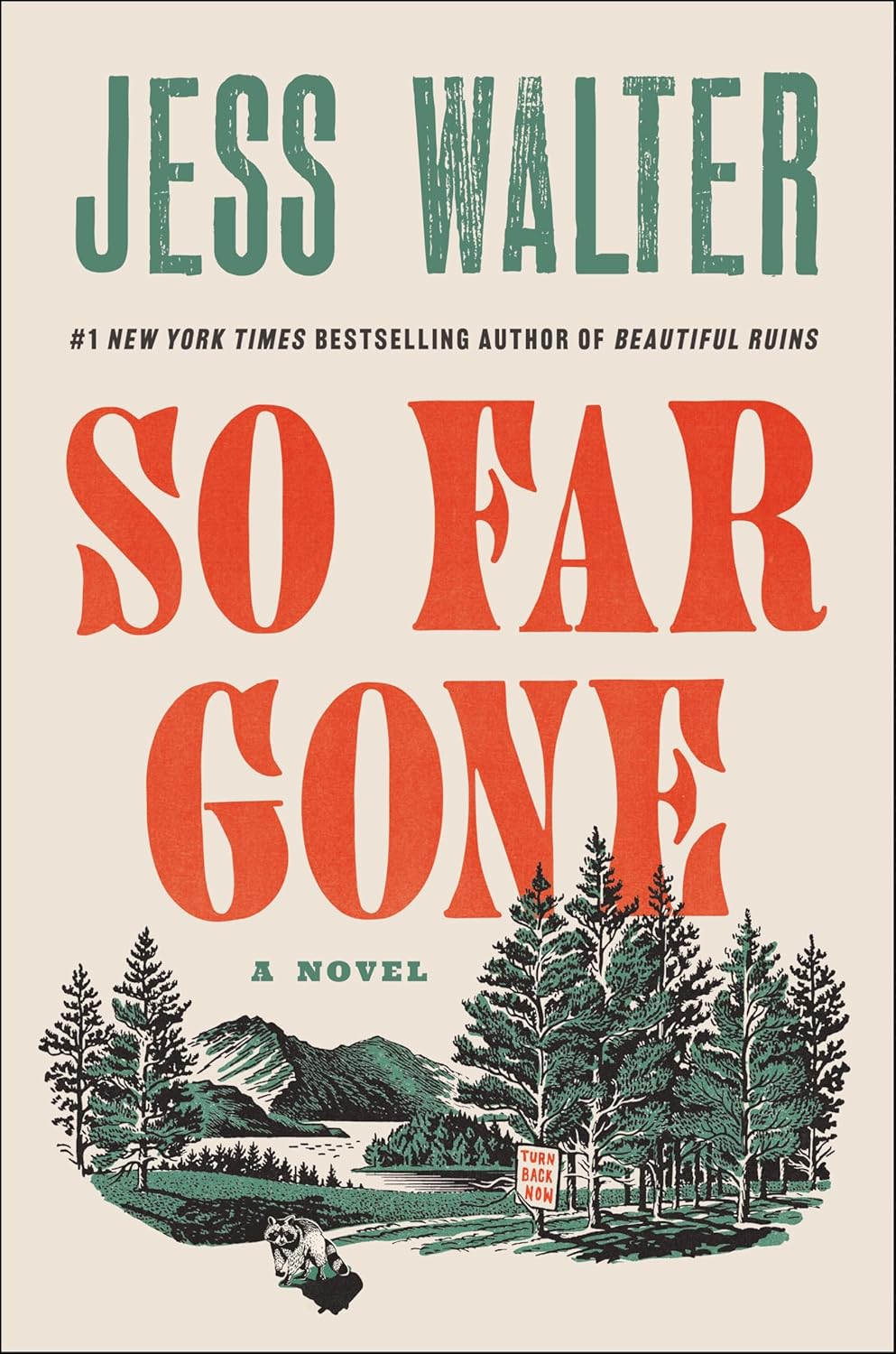
National Bestseller "A warm, funny, loving novel. . . . It's an American original."—Ann Patchett, New York Times bestselling author of Tom Lake "Who better to give us the latest version of a recluse with a heart of gold than Walter?... It’s a gleeful, kooky and tender homage to Charles Portis’ “True Grit” with echoes of Tom Robbins and yes, Elinor Lipman too.” — Los Angeles Times A Vogue “Best Book of the Year” * An Amazon “Best Book of the Year” * A Publishers Weekly "Most Anticipated" * A Washington Post “Most Anticipated” * An Oprah's Book Club “Best Summer Read” * An Esquire “Best Book of the Summer” * A Los Angeles Times “Must Read Book for the Summer” * A New York Times “Book to Read This Summer” * A Good Morning America "Kate and Charlies Ultimate Summer Read" * A CBS Sunday “New Summer Read * An NPR “Dark Tale to Hit the Shelves” * An Elle “Best Book of the Summer” * A Lit Hub “Must Read Book for the Summer” * A Chicago Tribune “ Summer Book” * A Minnesota Star Tribune "Terrific Book for the Beach" * An Alta Magazine "Book of the Month" * A New York Times "New Book We Recommend" * A Lit Hub "Best Reviewed Book" * A NY Post "Best New Book" * A New York Times "Book Readers Are Most Excited About This Summer" * A Huffingting Post "Book that Should Be on Your Summer Reading List" * An Airmail “Best Read of the Week” * A Publishers Weekly Starred Review * A Kirkus Starred Review * A Library Journal Starred Review * A BuzzFeed "Book That Should Be On Your Summer Reading List" From the #1 New York Times bestselling author of Beautiful Ruins —and in the propulsive spirit of Charles Portis’ True Grit —comes a hilarious, empathetic, and brilliantly provocative adventure through life in modern America, about a reclusive journalist forced back into the world to rescue his kidnapped grandchildren. Rhys Kinnick has gone off the grid. At Thanksgiving a few years back, a fed-up Rhys punched his conspiracy-theorist son-in-law in the mouth, chucked his smartphone out a car window and fled for a cabin in the woods, with no one around except a pack of hungry raccoons. Now Kinnick’s old life is about to land right back on his crumbling doorstep. Can this failed husband and father, a man with no internet and a car that barely runs, reemerge into a broken world to track down his missing daughter and save his sweet, precocious grandchildren from the members of a dangerous militia? With the help of his caustic ex-girlfriend, a bipolar retired detective, and his only friend (who happens to be furious with him), Kinnick heads off on a wild journey through cultural lunacy and the rubble of a life he thought he’d left behind. So Far Gone is a rollicking, razor-sharp, and moving road trip through a fractured nation, from a writer who has been called “a genius of the modern American moment” ( Philadelphia Inquirer ).
Summary of Key Ideas
- •
Fractured Families in a Divided America
The novel explores the theme of fractured families and the challenges of reconnection in a politically divided America. The characters grapple with personal flaws and external pressures, highlighting the difficulties of maintaining relationships in a world marked by deep ideological rifts and societal fragmentation. Walter examines how political polarization seeps into familial dynamics, creating tensions and misunderstandings that test the bonds between loved ones. This theme underscores the need for empathy and understanding in bridging divides and fostering reconciliation within families and communities.
- •
Navigating Collective Madness
Walter delves into the concept of collective madness, suggesting that society is experiencing a shared descent into irrationality and extremism. The characters navigate a world where truth is distorted, and reason is often abandoned in favor of ideological fervor. This theme reflects a broader commentary on the challenges of maintaining sanity and perspective in an era of misinformation and political manipulation. The novel encourages readers to question prevailing narratives and seek a path toward reconnection and a return to community and dignity.
- •
The Personal is Political: Trumpism and Climate Change
The book examines the impact of contemporary political issues, including Trumpism and climate change, on individual lives and societal structures. These issues serve as a backdrop against which the characters' personal struggles unfold, highlighting the interconnectedness of personal and political realms. The novel explores how these large-scale challenges affect people's sense of identity, purpose, and belonging. By weaving these themes into the narrative, Walter prompts readers to reflect on the broader implications of political and environmental crises.
- •
The Pursuit of Redemption
Redemption emerges as a central theme, with characters seeking to overcome past mistakes and find a path toward personal growth and reconciliation. The novel follows individuals who are flawed and burdened by their past actions, as they strive to redeem themselves and repair damaged relationships. This theme underscores the possibility of transformation and renewal, even in the face of significant challenges. Walter suggests that redemption requires acknowledging one's shortcomings, taking responsibility for one's actions, and committing to positive change.
- •
The Demise of Journalism and Its Impact
The story highlights the demise of traditional journalism and its consequences for society. The decline of reliable news sources contributes to the spread of misinformation and the erosion of public trust. This theme serves as a commentary on the importance of informed citizenry and the dangers of a media landscape dominated by sensationalism and biased reporting. The novel suggests that the loss of credible journalism exacerbates societal divisions and hinders the ability to address complex problems effectively.
- •
Personal and Civic Responsibility
Responsibility, both personal and civic, is a key theme explored in the novel. The characters grapple with their obligations to their families, communities, and the broader world. The book examines the tension between individual desires and collective needs, highlighting the importance of ethical decision-making and social engagement. Walter suggests that responsible citizenship requires active participation in public life and a commitment to upholding democratic values. The characters' journeys underscore the complexities of navigating these responsibilities in a rapidly changing world.
Chapter Recap

About The Author
Jess Walter
Main Quotes
""It's like everyone's gone crazy, Kinnick. The whole damn country.""
""Some people don't want to be saved.""
""The world is full of people who believe crazy things.""
""Maybe that's all any of us want, to be known.""
""He'd always been a man who preferred the idea of things to the things themselves.""
""What a strange and tender thing it was, this fragile connection between human beings.""
""She understood that love was not a feeling but a doing.""
""Sometimes, Kinnick, you have to choose the lesser evil.""
""Isn't that what family is, though? Forgiving each other, even when we don't deserve it?""
""You can't outrun your past, Kinnick. It's always right there behind you.""
Who Should Read This Book
Readers of contemporary fiction
Readers interested in political and social commentary
Fans of thrillers with timely themes
Individuals who enjoy stories about redemption and moral complexities
Readers familiar with Jess Walter's previous works
Those interested in narratives exploring themes of isolation, crisis, and extremism
Readers who appreciate dark humor and satire
Book Summaries Like
So Far Gone


FAQ

Free Access to LitNotes