




 DISCORD
Sociopath
Patric Gagne


 Goodreads Choice Awards
 The New York Times Best Sellers


 75 Min Reading Time
 Audio Version Available
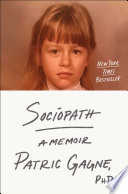
About this book
In Sociopath: A Memoir, Patric Gagne offers a raw and unflinchingly honest account of her life, revealing her journey of self-discovery and acceptance as she comes to terms with being a sociopath. With sharp wit and startling candor, Gagne dismantles common misconceptions surrounding sociopathy, offering a deeply personal perspective on a condition often stigmatized and misunderstood.
From navigating childhood challenges to forming relationships and building a career, Gagne sheds light on the daily realities of living with sociopathy, exploring the complexities of empathy, morality, and connection. Sociopath is more than a memoir; it's a compelling plea for understanding, urging society to look beyond stereotypes and recognize the humanity within those labeled as different. It is the inspiring story of Patric's journey to unlock the true nature of sociopathy and build a life of love and hope against all odds.
Summary of Key Ideas
- •
Redefining Sociopathy: A Spectrum, Not a Sentence
Sociopathy as a Spectrum: Gagne challenges the traditional, often stigmatized, view of sociopathy by presenting it as a spectrum disorder, similar to autism. She argues that many individuals exhibit sociopathic traits to varying degrees, and that it's not a binary condition. This perspective aims to destigmatize the label and promote a more nuanced understanding of sociopathic tendencies within the general population. It suggests that sociopathy isn't necessarily indicative of violent or criminal behavior, but rather a different way of processing emotions and social interactions.
- •
The Empathy Deficit: Understanding Emotional Differences
Lack of Empathy and Emotional Processing: A core characteristic of sociopathy, as explored in the book, is a diminished capacity for empathy and a different way of processing emotions. Gagne describes her own experiences with this, detailing how she doesn't experience emotions in the same way as neurotypical individuals. This doesn't necessarily equate to a lack of emotions altogether, but rather a different intensity and expression. Understanding this difference is crucial to comprehending the sociopathic mindset and avoiding misinterpretations of their behavior.
- •
Untangling Terms: Sociopathy and Psychopathy Defined
Sociopathy vs. Psychopathy: Gagne clarifies the distinction between sociopathy and psychopathy, two terms often used interchangeably but which represent distinct conditions. While both involve antisocial traits, psychopathy is generally considered more severe and often associated with a higher propensity for violence and manipulation. Sociopathy, as Gagne portrays it, doesn't inherently imply criminal intent and can manifest in individuals who lead relatively normal lives. This differentiation is important for dispelling common misconceptions and reducing the stigma associated with both conditions.
- •
Masking: The Art of Blending In
The Mask of Normalcy: Gagne discusses the strategies sociopaths employ to blend in with society and maintain relationships. This often involves learning to mimic emotional responses and social cues that don't come naturally to them. By observing others and consciously adapting their behavior, sociopaths can create a 'mask' of normalcy that allows them to navigate social situations effectively. This masking behavior can be both a survival mechanism and a barrier to genuine connection, as it requires a constant awareness and calculated effort.
- •
Deconstructing Stereotypes: Humanizing the Sociopath
Challenging Societal Perceptions: The book directly confronts negative stereotypes surrounding sociopathy and aims to foster a more compassionate and informed perspective. Gagne argues that sociopaths are often unfairly demonized and judged based on misconceptions perpetuated by media portrayals. By sharing her personal experiences and insights, she seeks to humanize sociopaths and encourage society to move beyond simplistic and harmful labels.
- •
Self-Awareness as a Catalyst for Change
The Potential for Self-Awareness and Growth: Despite the challenges associated with sociopathy, Gagne emphasizes the potential for self-awareness and personal growth. By understanding their own tendencies and limitations, sociopaths can learn to manage their behavior and develop healthier coping mechanisms. This involves actively working to mitigate the negative impacts of their traits on themselves and others, fostering more meaningful relationships, and contributing positively to society.
- •
The Pursuit of Connection: Finding Intimacy on a Different Path
Seeking Connection and Intimacy: Gagne explores her own desire for connection and intimacy, despite the inherent difficulties posed by her sociopathic traits. She highlights the challenges of forming genuine relationships when empathy is limited and emotional expression is different. However, she also demonstrates that it is possible for sociopaths to experience love and build meaningful connections with others, albeit through a different lens and with conscious effort.
- •
Early Signs: Sociopathy in Childhood
Sociopathy and Childhood Development: The memoir delves into Gagne's childhood, exploring how her sociopathic traits manifested from a young age. She reflects on the challenges of growing up feeling different and the impact of societal expectations on her self-perception. This exploration provides insights into the early development of sociopathic tendencies and the importance of early intervention and understanding.
Chapter Recap

About The Author
Patric Gagne
Main Quotes
"My name is Patric Gagne and I am a sociopath. I am a passionate mother and wife. I am an engaging therapist. I am extremely charming and well-liked."
"The more I paid attention, the more I noticed just how often 'apathy,' 'lack of feeling,' and the word 'sociopath' were associated with evil. Everywhere."
"I'm a liar."
"I'm a thief."
"I'm capable of almost anything."
"I can mimic emotions, but I don't feel them."
"I've learned that the world isn't divided into good and bad people, but rather people who feel guilt and those who don't."
"I don't want to be fixed. I want to be understood."
"The truth is, I feel things. I just feel them differently."
"My brain is wired differently, but that doesn't make me a monster."
Who Should Read This Book
Readers interested in memoirs and personal stories
Individuals interested in psychology, particularly personality disorders and sociopathy
Students and professionals in the fields of psychology, sociology, and criminology
Readers seeking to understand and challenge the stigma associated with mental health conditions
Individuals with an interest in true crime and criminal psychology
Readers who enjoy books that explore identity, self-discovery, and personal transformation
Those interested in the experiences of individuals who are considered "outsiders" or "different"
Book Summaries Like
Sociopath


FAQ

Free Access to LitNotes