




 DISCORD
Solito: A Read with Jenna Pick
Javier Zamora


 Los Angeles Times Book Prize
 Apple Books


 55 Min Reading Time
 Audio Version Available
About this book
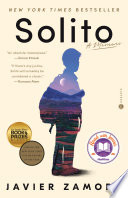
Nine-year-old Javier's life is upended when his parents leave El Salvador for the United States. Suddenly faced with a treacherous journey north, he is entrusted to the care of strangers. "Solito," meaning "alone," chronicles Javier's heart-wrenching and ultimately triumphant odyssey across borders, deserts, and the emotional landscape of a child yearning for family. With only the hope of reuniting with his mother and father to sustain him, he forges an unexpected bond with his fellow travelers, finding solace and resilience in their shared struggle. A searing memoir of displacement, love, and the enduring power of the human spirit, "Solito" is an unforgettable testament to the lengths we go to for home.
Summary of Key Ideas
- •
The Anguish of Separation
The Heartbreaking Reality of Family Separation: "Solito" poignantly depicts the anguish and longing that family separation inflicts, particularly on children. Javier, at just nine years old, embarks on a perilous journey to reunite with his parents in the United States, highlighting the immense sacrifices families make in pursuit of a better life. This separation underscores the emotional toll of immigration policies and the profound yearning for parental love and security, revealing the human cost behind border crossings and the enduring bonds that transcend physical distance.
- •
Innocence Lost, Maturity Gained
The Loss of Innocence and Forced Maturity: Javier's journey from El Salvador to the US forces him to grow up quickly. He witnesses and experiences hardships that no child should endure, including hunger, fear, and uncertainty. The memoir showcases the loss of innocence as Javier takes on responsibilities beyond his years, navigating dangerous situations and making critical decisions to survive. This premature exposure to the harsh realities of migration highlights the vulnerability of child migrants and the lasting impact of trauma on their development.
- •
Finding Family on the Road
The Power of Found Family and Unlikely Bonds: Amidst the dangers and uncertainties of his journey, Javier finds solace and support in the group of fellow migrants he travels with. These individuals, who are initially strangers, form a makeshift family, sharing resources, offering comfort, and protecting one another. "Solito" emphasizes the importance of human connection and solidarity in the face of adversity, demonstrating how bonds forged in shared struggle can provide resilience and hope. This theme underscores the capacity for compassion and empathy, even among those facing their own challenges.
- •
A Child's Unwavering Courage
The Resilience and Courage of Child Migrants: "Solito" is a testament to the extraordinary resilience and courage of child migrants. Despite facing immense obstacles and dangers, Javier perseveres, driven by the hope of reuniting with his parents. The memoir celebrates his unwavering determination and inner strength, challenging stereotypes about migrants and highlighting their resourcefulness and adaptability. Javier's story serves as an inspiration, showcasing the indomitable spirit of children who navigate unimaginable challenges in search of a better future.
- •
A Search for Identity and Home
Navigating Identity and Belonging: As a young migrant, Javier grapples with questions of identity and belonging. Torn between his home in El Salvador and his desire to assimilate in the United States, he struggles to reconcile his cultural heritage with his new environment. "Solito" explores the complexities of navigating multiple identities and the challenges of finding a sense of belonging in a foreign land. This theme resonates with the experiences of many immigrants who must negotiate their cultural roots while adapting to a new society.
- •
The Enduring Scars of Trauma
The Trauma and Long-Term Effects of Migration: "Solito" does not shy away from depicting the trauma associated with migration. Javier's experiences leave lasting scars, shaping his worldview and influencing his relationships. The memoir sheds light on the mental and emotional health challenges faced by many migrants, including PTSD, anxiety, and depression. By acknowledging the long-term effects of trauma, "Solito" calls for greater understanding and support for migrant communities, emphasizing the need for mental health services and culturally sensitive care.
- •
Exposing a Broken System
The broken immigration system: Javier's journey highlights the flaws and inadequacies within the immigration system. The dangers he faces, the exploitation he witnesses, and the bureaucratic hurdles he encounters expose the urgent need for reform. "Solito" serves as a powerful critique of policies that separate families, endanger vulnerable populations, and fail to provide safe and legal pathways for migration. By humanizing the migrant experience, the memoir advocates for a more compassionate and just approach to immigration.
Chapter Recap

About The Author
Javier Zamora
Main Quotes
"Grandpa isn't here to talk to me before falling asleep, to go out for walks and explore the town, and because of that I feel alone, lonely, solo, solito."
"It's because our parents are not here and we're not there that we're like this."
"Our shadows are so small, but they touch. We're one big shadow. Our own family. I hope we rest a long time."
"I miss my home. My family. I want to sleep."
"Everyone's eyes watching me."
"This book is for them and for every immigrant who has crossed, who has tried to, who is crossing right now, and who will keep trying."
"My life was narrated for me by others. Their voices were forceful, emphatic, absolute. It had never occurred to me that my voice might be as strong as theirs."
"¿Has he lived one hundred years? No. ¿Does he not expect to live over one hundred years? I don't wanna die before I'm one hundred."
"The moon paints the waves platinum. The moon and the stars reflect on the water like jellyfish. Large tentacles reaching toward Asia."
"I smile and keep nodding, imagining my parents' hands, their smell, how they'd laugh if they were here with me."
Who Should Read This Book
Readers of memoirs, particularly those focused on immigration and the immigrant experience
Latin American diaspora
Individuals interested in stories of childhood and coming-of-age experiences
Readers of literary nonfiction
Those interested in Central American history and politics, specifically El Salvador
Book club members, especially those who participate in "Read With Jenna" selections
Readers seeking to understand the human side of immigration debates
Poetry enthusiasts who appreciate a poet's perspective in prose
Educators and students in high school and college settings, for courses in memoir, immigration studies, or Latin American literature
Individuals interested in stories of resilience, courage, and hope in the face of adversity
Book Summaries Like
Solito: A Read with Jenna Pick



FAQ

Free Access to LitNotes