




 DISCORD
South
Sir Ernest Henry Shackleton


 Apple Books


 96 Min Reading Time
 Audio Version Available
About this book
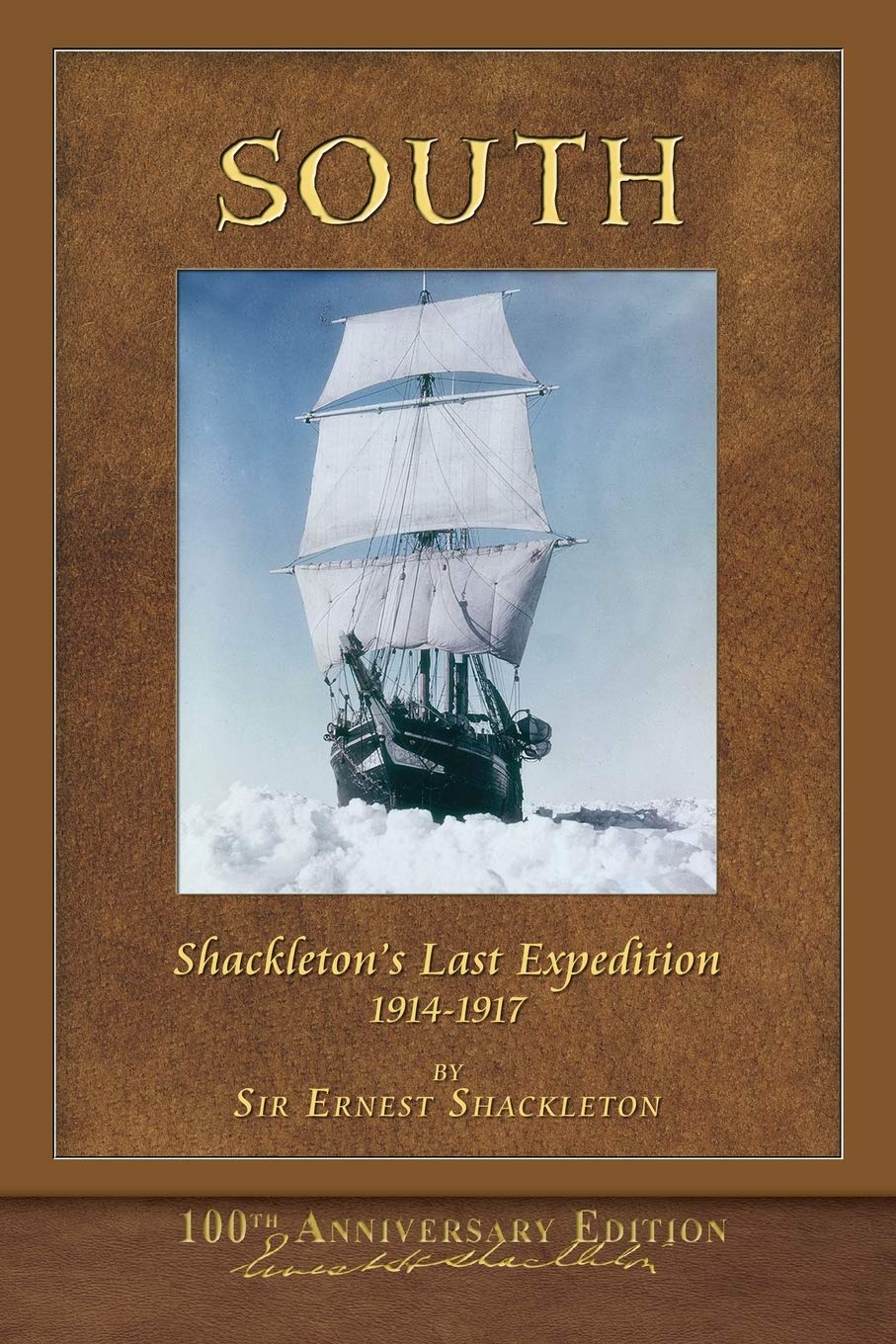
Embark on an unforgettable journey into the frozen heart of Antarctica with Sir Ernest Shackleton's South. This gripping firsthand account chronicles the harrowing Imperial Trans-Antarctic Expedition of 1914-1917, a saga of survival against unimaginable odds. When their ship, the Endurance, becomes trapped and ultimately crushed by pack ice, Shackleton and his crew are plunged into a desperate battle for their lives.
Stranded thousands of miles from civilization, they face treacherous ice floes, brutal storms, and the constant threat of starvation. Shackleton's leadership and unwavering determination are put to the ultimate test as he strives to bring every man home alive.
South is more than just an adventure story; it's a testament to the resilience of the human spirit, the power of camaraderie, and the extraordinary courage required to face nature's most formidable challenges. Experience the raw, visceral reality of this legendary expedition, complete with stunning descriptions and the ever-present danger lurking in the polar wilderness. A classic tale of exploration and endurance, South will leave you breathless and in awe of the men who dared to venture into the unknown.
Summary of Key Ideas
- •
The Unforgiving Antarctic: The Crushing of the Endurance
The crushing of the Endurance serves as a stark reminder of the unpredictable and unforgiving nature of Antarctica. Shackleton and his men were not merely battling the cold, but also the ever-present danger of the ice itself. This event forced them to abandon their original mission and focus solely on survival. The description of the ship's demise underscores the sheer power of the natural world and the vulnerability of human endeavors in such an environment. The crew's reaction, a mix of despair and determination, sets the stage for the incredible feats of resilience that follow, emphasizing the theme of man against nature and the constant threat it posed.
- •
Leadership in Crisis: Shackleton's Unwavering Command
Despite facing unimaginable hardships, Shackleton's leadership remained a beacon of hope for his crew. He maintained morale, made critical decisions, and ensured the survival of every man under his command. His ability to inspire, even in the face of utter despair, is a testament to his exceptional leadership qualities. Shackleton's focus on the well-being of his men, often at his own expense, highlights the importance of empathy and selflessness in effective leadership. This aspect of the story illustrates how strong leadership can transform a group of individuals into a cohesive and resilient team, capable of overcoming seemingly insurmountable obstacles.
- •
Unwavering Resilience: The Triumph of the Human Spirit
The journey across the ice, the open-boat voyage to Elephant Island, and the daring trek across South Georgia are testaments to the crew's unwavering determination and physical endurance. These feats of survival demonstrate the remarkable capabilities of the human body and spirit when pushed to their absolute limits. The men endured extreme cold, starvation, and exhaustion, yet they continued to press on, driven by a shared commitment to survive and rescue their comrades. This key idea underscores the indomitable spirit of humanity and the extraordinary lengths to which people will go to preserve their lives and the lives of others.
- •
The Power of Teamwork: Unity in the Face of Adversity
The story highlights the crucial role of teamwork and camaraderie in overcoming adversity. The men of the Endurance expedition relied on each other for support, encouragement, and survival. They shared their meager rations, took turns with arduous tasks, and offered emotional support to one another. This spirit of cooperation and mutual dependence was essential to their survival. The expedition showcases how a group of individuals, united by a common goal and a shared sense of purpose, can achieve extraordinary things, even in the face of seemingly impossible odds. The bonds forged during this ordeal underscore the enduring power of human connection.
- •
Adaptability and Resourcefulness: Overcoming the Unexpected
The journey of the Endurance expedition is a classic example of adapting to unforeseen circumstances. Shackleton's initial goal of crossing Antarctica was quickly abandoned when the ship became trapped in ice. From that moment forward, the crew had to constantly adjust their plans and strategies to survive. They improvised tools, adapted to new environments, and learned to live off the land (or, in this case, the ice and sea). This adaptability was crucial to their survival and highlights the importance of being flexible and resourceful in the face of unexpected challenges. This idea emphasizes the need to embrace change and find creative solutions to overcome obstacles.
- •
The Enduring Power of Hope: Never Giving Up
Throughout the ordeal, the men never lost hope, even in the darkest of times. Shackleton instilled in them a belief that they would eventually be rescued and return home. This unwavering optimism was a powerful force that helped them to endure the hardships they faced. Their hope was not simply wishful thinking; it was an active force that motivated them to keep moving forward, to keep searching for solutions, and to never give up. This key idea highlights the importance of maintaining a positive attitude, even in the most challenging circumstances, and the power of hope to sustain the human spirit.
Chapter Recap

About The Author
Sir Ernest Henry Shackleton
Main Quotes
"Difficulties are just things to overcome, after all."
"Optimism is true moral courage."
"We had pierced the veneer of outside things."
"We had reached the naked soul of man."
"I have been thinking much of our prospects."
"The ice was working, and the movements, with the accompanying groans and crashes, made sleep impossible."
"We were dependent on the penguins and seals for food and fuel."
"There were twenty-eight men on our floating cake of ice, which was steadily dwindling under the influence of wind, weather, charging floes, and heavy swell."
"We are poor men now, but we will be rich when we get ashore."
"I told them that I had shot a seal, and that after a good hot supper we would all feel better."
Who Should Read This Book
Readers interested in historical adventure and exploration narratives
Individuals fascinated by Antarctic expeditions and survival stories
People who admire leadership and resilience in extreme circumstances
Those with an interest in the Heroic Age of Antarctic Exploration
Readers of classic travel literature and biographies of explorers
Individuals seeking inspiration from true stories of overcoming adversity
History buffs interested in the early 20th century
Readers interested in firsthand accounts of polar expeditions
People interested in maritime history and ship voyages
Fans of Ernest Shackleton's other works
Book Summaries Like
South



FAQ

Free Access to LitNotes