




 DISCORD
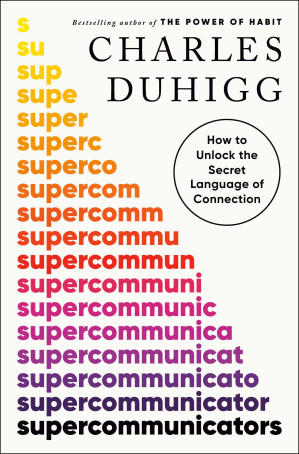
Supercommunicators
Charles Duhigg

 Goodreads Choice Awards
 Apple Books


 60 Min Reading Time
 Audio Version Available
About this book
Why do some people connect effortlessly, while others struggle to be heard? From hostage negotiators to CIA spies, what sets the best communicators apart?
In Supercommunicators, Pulitzer Prize-winning author Charles Duhigg unlocks the secrets of exceptional communication. Through compelling stories and cutting-edge research, Duhigg reveals that effective communication isn't about innate talent, but a learnable skill. He introduces a simple yet powerful framework for understanding the three different kinds of conversations we all have, and demonstrates how to navigate these interactions to forge deeper connections.
Discover how to decode unspoken signals, ask the right questions, and foster a sense of psychological safety in any conversation. Whether you're negotiating a deal, resolving a conflict, or simply trying to connect with a loved one, Supercommunicators offers a transformative guide to mastering the art and science of communication in every aspect of your life. Become the person everyone wants to talk to, the colleague everyone trusts, and unlock the power of true connection.
Summary of Key Ideas
- •
Unlocking Conversational Layers
Every conversation involves multiple layers: practical, emotional, and social. Recognizing these layers—the 'What is this really about?'—is crucial for effective communication. People often talk about different things simultaneously, such as the literal topic, their feelings about it, and their place in the conversation. Supercommunicators are adept at identifying which layer is most pertinent and addressing it accordingly. This awareness prevents misunderstandings and fosters deeper connections by ensuring that the core concerns are acknowledged and validated, leading to more productive and meaningful exchanges.
- •
The Power of Inquiry
Effective communication hinges on asking the right questions, which encourages reciprocity and active listening. Questions signal genuine interest and create a safe space for others to share their thoughts and feelings. Supercommunicators use questions to understand perspectives, clarify assumptions, and uncover hidden emotions. The act of asking questions demonstrates vulnerability and a willingness to learn, which, in turn, fosters trust and strengthens the bond between communicators. By prioritizing inquiry over assertion, individuals can navigate complex conversations with greater empathy and achieve more collaborative outcomes.
- •
The Art of Active Listening
Active listening involves more than just hearing words; it requires fully engaging with the speaker's message, both verbally and nonverbally. Supercommunicators pay attention to tone, body language, and emotional cues to understand the complete message. This empathetic approach allows them to respond in a way that acknowledges and validates the speaker's experience. Active listening also includes summarizing and reflecting back what was heard to ensure mutual understanding. By demonstrating genuine attentiveness, individuals can build rapport, resolve conflicts, and foster a sense of being heard and valued.
- •
Embracing Vulnerability
Vulnerability is a cornerstone of deep connection. Sharing personal experiences and emotions, even when uncomfortable, can foster trust and empathy. Supercommunicators are willing to be authentic and open, which encourages others to do the same. This reciprocal vulnerability creates a safe space for honest communication and allows for deeper understanding. While vulnerability requires courage, it ultimately strengthens relationships and enhances the quality of interactions by moving beyond superficial exchanges to more meaningful connections.
- •
The Importance of Feedback
Feedback is essential for continuous improvement in communication. Supercommunicators actively seek feedback on their communication style and effectiveness. This willingness to learn and adapt allows them to refine their approach and become more attuned to the needs of others. Constructive criticism, when embraced with an open mind, provides valuable insights into blind spots and areas for growth. By continuously iterating on their communication skills, individuals can build stronger relationships and achieve better outcomes in all areas of life.
- •
Adapting Communication Style
Tailoring your communication style to suit the audience and context is crucial for effective interaction. Supercommunicators recognize that one size does not fit all when it comes to communication. They adapt their language, tone, and approach based on the individual, group, or situation. This flexibility demonstrates respect and increases the likelihood of being heard and understood. By being mindful of cultural differences, communication preferences, and emotional states, individuals can create a more inclusive and productive communication environment.
Chapter Recap

About The Author
Charles Duhigg
Main Quotes
"Effective communication requires recognizing what kind of conversation is occurring, and then matching each other."
"The goal of a conversation is not to change someone's mind. It's not even to make sure that they know how you feel on a topic. The goal of a conversation is to create a connection."
"A good conversation is like a dance – it requires both partners to be in sync."
"Supercommunicators are better, not because they possess innate gifts, but because they’ve learned skills for decoding and responding to the signals others send."
"Listening, paying attention, and asking good questions are skills that can be taught and learned."
"The most powerful conversations occur when people feel safe enough to be vulnerable."
"One of the most important ingredients in any successful conversation is recognizing what kind of conversation is taking place."
"Miscommunication occurs when people are having different kinds of conversations. If you are speaking emotionally, while I'm talking practically, we are, by definition, talking past each other."
"The Who Are We? conversation is powerful not only because we bond over what we have in common, but because it lets us share who we really are."
"To become a supercommunicator, all we need to do is listen closely to what’s said and unsaid, ask the right questions, recognize and bridge conversational styles, and, above all, make sure we’re creating the psychological safety for everyone to speak honestly."
Who Should Read This Book
Professionals in leadership and management roles
Individuals seeking to improve their interpersonal skills
People interested in psychology and communication
Those who enjoy non-fiction books on self-improvement and personal development
Readers of Charles Duhigg's previous books, such as "The Power of Habit" and "Smarter Faster Better"
Individuals in fields that require strong communication skills, such as sales, marketing, and human resources
Anyone wanting to improve relationships in their personal life
Individuals interested in understanding the science of communication
Those seeking practical advice and strategies for more effective conversations
Readers interested in understanding how to connect with people who have different perspectives
Book Summaries Like
Supercommunicators




FAQ

Free Access to LitNotes