




 DISCORD
Swimming Studies
Leanne Shapton


 National Book Critics Circle Award
 USA Today Best Sellers


 39 Min Reading Time
 Audio Version Available
About this book
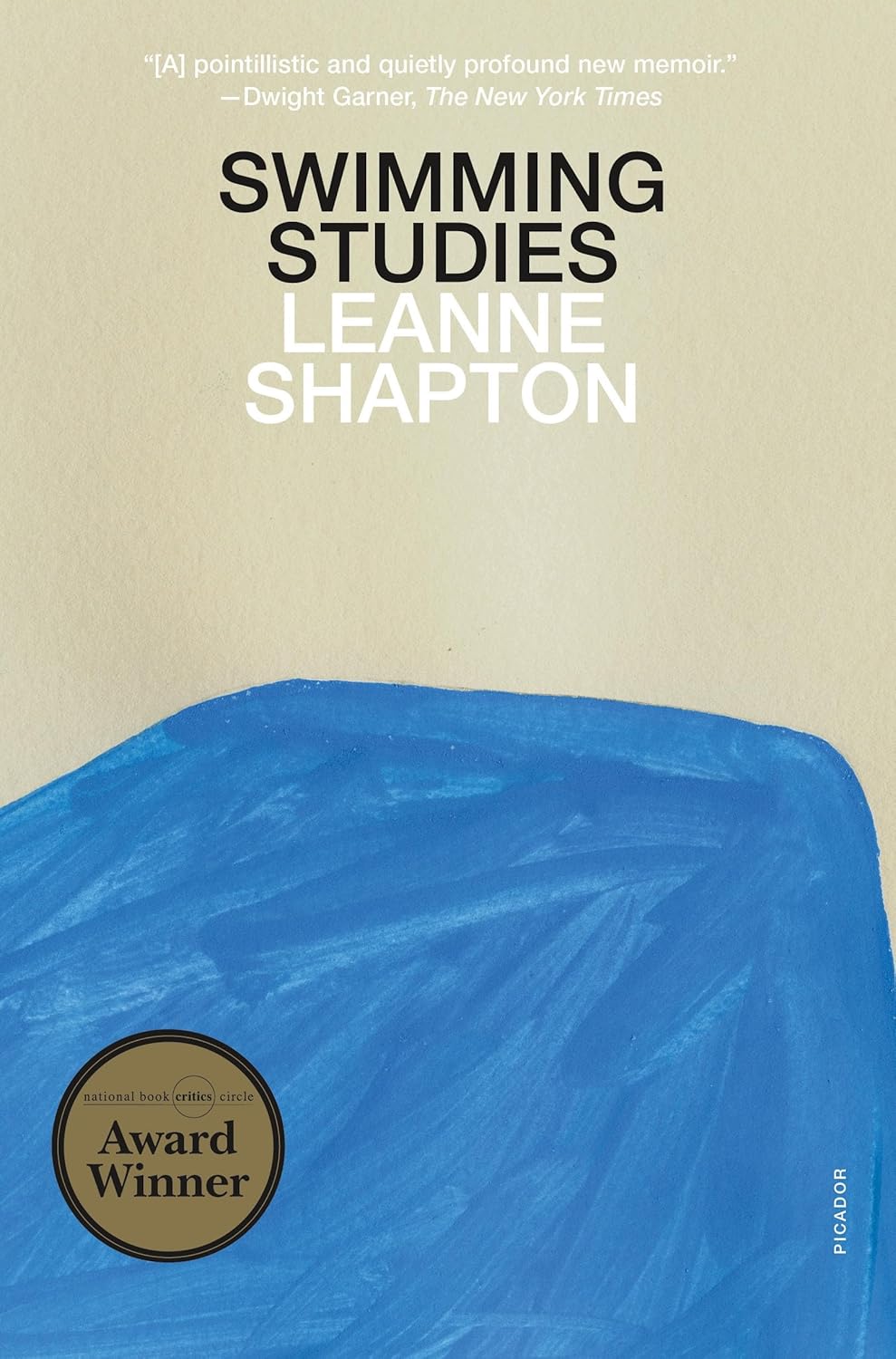
Winner of the National Book Critics Circle Award for Autobiography and named a Best Book of the Year by The Observer, Leanne Shapton's "Swimming Studies" is a captivating fusion of prose, watercolors, photographs, and painted portraits that explores a life shaped by water.
Shapton, who trained for the Olympic trials twice, invites readers into the unique state of being a swimmer: the weightless yet contained world of the pool, the keen awareness of time, and the sensory deprivation that fosters intense focus. Through contemplative essays and evocative artwork, she recounts her adolescence in suburban Canada, the rigorous demands of early morning practices, the camaraderie of bus rides with teammates, and the quiet thrill of competition.
From the disciplined life of an elite athlete to the introspective submersion of an artist, Shapton masterfully renders swimming not just as a sport, but as a profound way of experiencing time, movement, and perspective. The metrics of moving through water, she reveals, endure and continue to shape her life, whether in a hotel pool or the open ocean. "Swimming Studies" is an elegant and potent meditation on dedication, transformation, and the enduring influence of a sport that becomes a way of life.
Summary of Key Ideas
- •
The Dualities of Competitive Swimming
The Allure and Discomfort of Competitive Swimming: Shapton intricately portrays the rigorous discipline, mental fortitude, and physical demands of competitive swimming. She explores the paradoxical nature of the sport, highlighting both its allure and the discomfort it inflicts. The narrative reveals the swimmer's life as one of constant training, sacrifice, and relentless pursuit of marginal improvements. Shapton captures the intensity of competition, the pressure to perform, and the emotional toll of striving for excellence in a highly demanding environment, making the reader intimately aware of the dedication required.
- •
Life's Reflections in the Swimming Pool
Swimming as a Metaphor for Life: Shapton uses swimming as a central metaphor to explore broader themes of discipline, routine, and the pursuit of perfection. The act of swimming, with its repetitive motions and focus on control, mirrors the patterns and challenges of everyday life. The water becomes a space for reflection and introspection, allowing Shapton to delve into her past experiences and grapple with questions of identity, ambition, and the passage of time. Through this lens, the memoir transcends a simple recounting of athletic endeavors, becoming a meditation on the human condition.
- •
Redefining Identity Beyond the Pool
The Transition from Athlete to Artist: A significant aspect of the book is Shapton’s transition from a competitive swimmer to an artist and writer. The narrative explores the challenges of redefining oneself after a career defined by rigorous physical training and competition. Shapton examines how the discipline and focus she developed as an athlete inform her artistic practice, while also acknowledging the stark differences between the two worlds. This transition is not depicted as a clean break but as a complex negotiation between past and present, with swimming continuing to exert its influence on her life and work.
- •
Fragmented Memories and Subjective Truths
Memory and the Reconstruction of the Past: Memory plays a crucial role in Swimming Studies, as Shapton weaves together personal anecdotes, observations, and reflections. The memoir is not a straightforward recounting of events but rather a fragmented and impressionistic exploration of the past. Shapton acknowledges the fallibility of memory and the subjective nature of experience, inviting the reader to question the reliability of narratives. Through her evocative prose and imagery, she reconstructs the world of competitive swimming, capturing its sights, sounds, and emotions with vivid detail.
- •
The Body's Story: Limits and Sensations
The Body and its Limitations: Shapton’s memoir is deeply attuned to the physical sensations and limitations of the body. She describes the aches, pains, and exhaustion that accompany intense athletic training, as well as the moments of exhilaration and physical grace. The book also explores the vulnerability of the body to injury and the emotional impact of physical setbacks. By paying close attention to the body’s experiences, Shapton offers a visceral and intimate portrayal of the swimmer’s life, grounding her narrative in the concrete realities of physical exertion and endurance.
- •
Visual Narrative: Illustrations as Story
Visual Storytelling through Illustration: Shapton's unique approach to storytelling is enhanced by her integration of illustrations and visual elements throughout the book. These images serve not merely as decoration but as integral components of the narrative, adding depth and texture to her memories and reflections. The illustrations often depict scenes from her swimming career, capturing the atmosphere of the pool, the movements of the swimmers, and the emotional nuances of the sport. By combining text and image, Shapton creates a multi-layered and evocative reading experience that engages the reader on multiple levels.
Chapter Recap

About The Author
Leanne Shapton
Main Quotes
"The pictures achieve something rarely articulated about the metaphysical state of swimming: The body, immersed, feels amplified, heavier and lighter at the same time."
"When I swim now, I step into the water as though absentmindedly touching a scar."
"Being pool-trained, I'm used to seeing four sides and a bottom."
"When that clarity is removed I get nervous."
"I imagine things."
"It doesn't help that the entire thing is written in present tense, which gives everything equal intensity and creates pacing that isn't always helpful."
"In these elegant and potent meditations, Shapton renders swimming as a mode of experiencing time, movement, and perspective."
"Swimming Studies is a beautifully strange, quiet book."
"Shapton’s work is often about the textures of memory and experience."
"Swimming is a way of moving through time."
Who Should Read This Book
Readers interested in memoirs about sports and personal development
Readers who appreciate creative and artistic writing styles
Fans of books that explore themes of obsession, failure, and personal growth
Individuals interested in swimming or athletic pursuits
Readers who enjoy illustrated essays and unique narrative structures
Book Summaries Like
Swimming Studies



FAQ

Free Access to LitNotes