




 DISCORD
Tales of a Fourth Grade Nothing
Judy Blume


 Apple Books


 24 Min Reading Time
 Audio Version Available
About this book
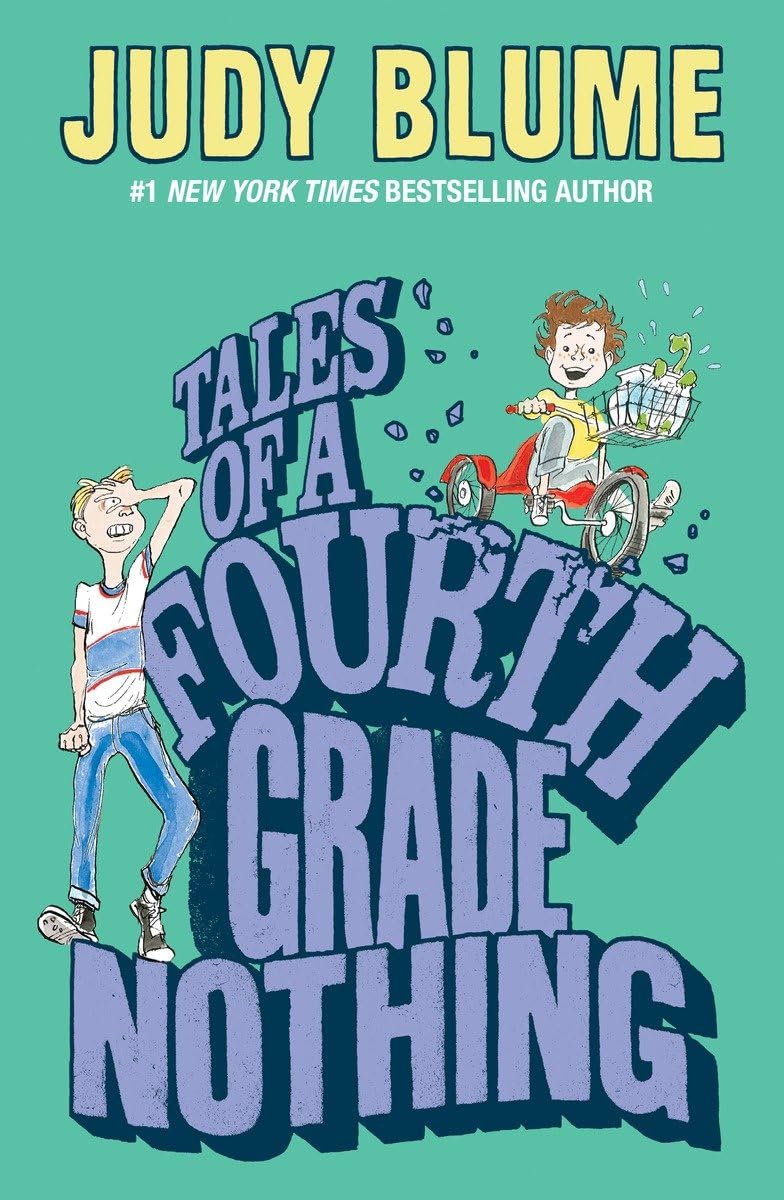
Living with his little brother, Fudge, makes fourth-grader Peter Hatcher feel like a fourth grade nothing. Whether Fudge is throwing temper tantrums in shoe stores, smearing food on the walls, or refusing to eat anything but his favorite foods, he's always getting into trouble and driving Peter crazy.
When Fudge's antics go too far—like the time he eats Peter's pet turtle, Dribble—Peter has had enough. He's ready to trade Fudge in for a goldfish! But no matter how exasperating Fudge may be, can Peter learn to accept him for who he is?
Join Peter as he navigates the hilarious and frustrating world of sibling rivalry in this timeless classic that perfectly captures the ups and downs of family life. Get ready to laugh out loud at the unforgettable antics of Fudge and discover why kids have loved this story for generations.
Summary of Key Ideas
- •
The Trials of Siblinghood
Sibling Rivalry: The central theme revolves around the dynamic between Peter and his younger brother, Fudge. Peter constantly grapples with Fudge's disruptive behavior, feeling overshadowed and resentful. Fudge's antics, from refusing to eat to causing chaos with Peter's belongings, create ongoing tension and highlight the challenges of being an older sibling. This rivalry is not just about annoyance; it touches on deeper issues of attention, fairness, and the struggle for individual identity within a family.
- •
Finding Peter in Fudge's Shadow
The Quest for Individuality: Peter struggles to establish his own identity amidst Fudge's constant need for attention. He wants to be recognized for his achievements and maturity, but Fudge's antics often steal the spotlight. Peter's desire for independence and respect is a common theme for older siblings, and the book explores the frustration of feeling invisible or underappreciated within the family dynamic. He wants to be seen as more than just 'Fudge's brother.'
- •
The Uneven Playing Field of Parental Love
Parental Attention and Favoritism (Real or Perceived): Peter often feels that his parents favor Fudge, or at least, that they are more lenient with him due to his age. This perception fuels Peter's resentment and exacerbates the sibling rivalry. While the parents try to balance their attention, Fudge's demanding nature often takes precedence, leaving Peter feeling neglected and misunderstood. The book subtly explores how parental attention can be perceived differently by siblings, leading to feelings of jealousy and unfairness.
- •
Navigating the Fudge-Induced Storm
Coping with Chaos: Peter's life is frequently disrupted by Fudge's unpredictable behavior. Whether it's ruining his homework, throwing tantrums in public, or eating his pet turtle, Fudge creates a constant state of chaos that Peter must navigate. The book explores Peter's coping mechanisms, from trying to reason with Fudge to venting his frustrations to his friends. This theme highlights the challenges of maintaining order and control in a family with a young, impulsive child.
- •
Finding Humor in the Everyday Chaos
The Absurdity of Childhood: The book uses humor to highlight the often absurd and illogical nature of childhood behavior. Fudge's actions, while frustrating to Peter, are presented as typical (albeit exaggerated) expressions of a toddler's developing mind. The narrative invites readers to laugh at the ridiculousness of certain situations, offering a lighthearted perspective on the challenges of raising young children and the frustrations of growing up.
- •
The Weight of Older Brotherly Duty
Responsibility and Growing Up: As the older brother, Peter is often expected to be responsible for Fudge, even though Fudge's actions are beyond his control. He is tasked with babysitting, protecting Fudge from harm, and setting a good example, which adds to his frustration. The book subtly explores the burdens of responsibility placed on older children and the challenges of balancing their own needs with the expectations of their parents.
- •
Seeing the World Through Peter's Eyes
The Power of Perspective: The story is told from Peter's point of view, giving readers a limited but relatable perspective on the events. While Fudge's actions may seem purely mischievous, the narrative doesn't delve into his motivations or feelings. This limited perspective underscores how sibling relationships are often shaped by individual perceptions and interpretations of events. The reader is left to infer Fudge's intentions and consider the situation from different angles.
Chapter Recap

About The Author
Judy Blume
Main Quotes
"“Some people might think that my mother is my biggest problem. But she isn’t. It’s Fudge!”"
"“That night I showed my mother and father our new poster. They thought it was great.”"
"“Fudge calls money ‘mon.’ Like, ‘How much mon you got, Pete?’”"
"“I know I'm not so important to him. I'm just his brother, that's all.”"
""I’m never going to like Fudge. Never, never, never!”"
"“Fudge smiled. ‘See, Peter… I can do it.’”"
"“I hate the way Fudge acts at the table. He’s such a mess.”"
"“My mother says Fudge is ‘going through a stage.’ I wish I could go through a stage—preferably one leading to Broadway.”"
"“If you’re so smart maybe you can figure out how to get Fudge to eat.”"
""I thought how great it would be if we could trade in Fudge for a nice cocker spaniel.”"
Who Should Read This Book
Children aged 8-12 (especially 4th graders)
Children with younger siblings
Readers of humorous stories
Fans of Judy Blume's books
Parents seeking relatable and entertaining books for their children
Teachers looking for classroom read-aloud books for elementary students
Readers who enjoy stories about family dynamics
Adults who read the book as children and want to revisit it or share it with a new generation
Book Summaries Like
Tales of a Fourth Grade Nothing

FAQ

Free Access to LitNotes