




 DISCORD
The 5 Love Languages
Gary Chapman


 Amazon Best Sellers
 Barnes & Noble Bestsellers


 40 Min Reading Time
 Audio Version Available
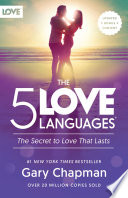
About this book
Falling in love is easy. Staying in love? That's where it gets tricky. Is it possible you and your partner are speaking different languages?
In the #1 New York Times bestseller The 5 Love Languages, Dr. Gary Chapman unveils the secret to a love that lasts. Through understanding the five distinct ways we express and receive love—words of affirmation, quality time, receiving gifts, acts of service, and physical touch—you'll gain powerful insights into your partner's unique needs and desires.
Whether your relationship is thriving or struggling, The 5 Love Languages provides a practical roadmap for deeper connection and richer intimacy. Discover your love language, learn to speak your partner's, and watch your relationship flourish. Includes a personal assessment to unlock the door to a lifetime of love.
Summary of Key Ideas
- •
Discovering Your Love Language
The core concept of the book is that everyone expresses and experiences love differently, through one or more of five distinct 'love languages.' Understanding these languages is crucial for effective communication and maintaining healthy relationships. The book argues that many relationship problems arise from a failure to recognize and speak our partner's primary love language, leading to feelings of being unloved or unappreciated, even when love is present. Identifying both your own love language and that of your partner is the first step toward a more fulfilling and loving relationship.
- •
Words of Affirmation: The Power of Verbal Appreciation
Words of Affirmation use words to express affection, appreciation, and encouragement. Individuals with this love language thrive on hearing compliments, words of support, and loving affirmations. Simple phrases like 'I appreciate you,' 'You look great,' or 'I'm so proud of you' can have a significant impact. Conversely, criticism or negative comments can be particularly hurtful to these individuals. The key is to communicate verbally and express positive feelings regularly.
- •
Quality Time: Undivided Attention and Connection
Quality Time involves giving someone your undivided attention. It means putting away distractions like phones and actively listening and engaging with your partner. This love language isn't just about being in the same room, but about connecting on a deeper level through meaningful conversations, shared activities, and focused interaction. For those who value quality time, feeling truly heard and understood is paramount, and interruptions or lack of engagement can be detrimental.
- •
Receiving Gifts: Thoughtful Tokens of Love
Gifts, also known as receiving gifts, is about the act of giving. People with this love language appreciate thoughtful and meaningful gifts that show they are known, cared for, and prized. The gifts don't have to be extravagant or expensive; it's the thought and effort behind the gift that matters most. A small token, a handwritten note, or a carefully chosen item can communicate love and appreciation effectively. Neglecting to acknowledge special occasions or giving thoughtless gifts can be perceived as a lack of care.
- •
Acts of Service: Love Through Actions
Acts of Service involve doing helpful things for your partner to ease their burdens and make their life easier. This love language emphasizes actions over words. Examples include doing chores, running errands, or helping with a project. For those who value acts of service, these gestures of help are tangible expressions of love and care. Conversely, laziness, broken commitments, or creating more work for them can be particularly hurtful.
- •
Physical Touch: The Language of Affection
Physical Touch involves expressing affection through physical contact, such as holding hands, hugging, kissing, and other forms of touch. Individuals with this love language feel most loved and connected when they receive physical affection. Meaningful touch communicates care, reassurance, and intimacy. Neglecting physical touch or being physically distant can make them feel unloved or unwanted. It's important to understand the specific types of touch that are most meaningful to your partner.
- •
The Primacy of the Primary Love Language
Beyond the core five love languages, Chapman emphasizes the importance of identifying your partner's *primary* love language. While individuals may appreciate expressions of love in multiple ways, one language typically resonates more deeply. Focusing on this primary language allows you to communicate love most effectively. This requires observation, experimentation, and open communication with your partner to truly understand their needs and preferences.
- •
Speaking Your Partner's Language: A Conscious Choice
The book stresses that expressing love in your partner's language, even if it's not your own, is essential for a healthy relationship. This requires effort and a willingness to step outside of your comfort zone. It's about putting your partner's needs first and learning to communicate love in a way that they can truly understand and appreciate. This act of service, in itself, can be a powerful expression of love.
Chapter Recap

About The Author
Gary Chapman
Main Quotes
"People tend to criticize their spouse most loudly in the area where they themselves have the deepest emotional need."
"Love is a choice."
"The need to be understood is one of our greatest emotional needs."
"Forgiveness is not a feeling; it is a commitment."
"Love doesn't erase the past, but it makes the future different."
"Our most basic emotional need is not to fall in love but to be genuinely loved by another, to know a love that grows out of reason and choice, not instinct."
"We cannot rely on our native tongue if we expect to communicate effectively."
"Acts of service are things you do for your partner that you know they would like."
"Words of affirmation: These are words that affirm your partner's value."
"If I can learn to speak your love language, that's romantic."
Who Should Read This Book
Individuals seeking to improve their romantic relationships
Married couples
Individuals interested in self-help and relationship advice
People experiencing communication difficulties in their relationships
Individuals exploring ways to better understand their partner's needs
Those interested in learning about different expressions of love
People in long-term relationships seeking to reignite the spark
Individuals preparing for marriage or a long-term commitment
Counselors and therapists seeking resources for couples therapy
Individuals interested in personal growth and development within relationships
Religious readers seeking a faith-based perspective on relationships
Book Summaries Like
The 5 Love Languages



FAQ

Free Access to LitNotes