




 DISCORD
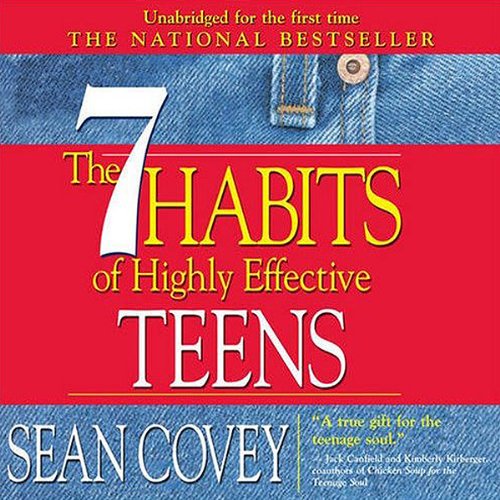
The 7 Habits of Highly Effective Teens
Sean Covey


 Amazon Best Sellers
 Barnes & Noble Bestsellers


 55 Min Reading Time
 Audio Version Available
About this book
Feeling overwhelmed by the rollercoaster of teenage life? The 7 Habits of Highly Effective Teens is your ultimate guide to navigating the challenges and unlocking your full potential.
Adapted from Stephen Covey's timeless classic, Sean Covey delivers a step-by-step roadmap packed with wit, wisdom, and real-life stories from teens around the world. Learn how to boost your self-esteem, build strong friendships, resist peer pressure, achieve your goals, and even improve your relationship with your parents.
This updated edition tackles modern issues like cyberbullying and social media, providing practical tools to thrive in the digital age. Filled with cartoons, clever ideas, and inspiring quotes, The 7 Habits of Highly Effective Teens will empower you to take control of your life and create the future you've always dreamed of.
Summary of Key Ideas
- •
Take Responsibility: Be Proactive
Be Proactive: This habit emphasizes taking responsibility for your life and choices. It's about understanding that you are in the driver's seat and can choose your response to any situation. Instead of blaming others or circumstances, proactive teens recognize their power to influence outcomes. They focus on what they can control (their thoughts, feelings, and actions) rather than dwelling on what they can't. This involves making conscious decisions based on values, setting goals, and taking initiative to achieve them. Embracing proactivity allows teens to break free from reactive patterns and create a more positive and fulfilling life.
- •
Define Your Future: Begin with the End in Mind
Begin with the End in Mind: This habit encourages teens to define their personal vision for the future. It involves clarifying your values, setting long-term goals, and understanding what truly matters to you. By envisioning your desired future, you can align your present actions with your aspirations. This habit is about creating a personal mission statement that guides your decisions and helps you stay focused on what is most important. It also involves identifying the key roles you play in life (student, friend, family member) and setting goals for each role to ensure a balanced and purposeful life.
- •
Prioritize Effectively: Put First Things First
Put First Things First: This habit focuses on effective time management and prioritization. It involves distinguishing between important and urgent tasks, and allocating your time and energy accordingly. Effective teens learn to say 'no' to less important activities to make time for what truly matters. Covey introduces the Time Matrix, categorizing tasks into Urgent/Important, Not Urgent/Important, Urgent/Not Important, and Not Urgent/Not Important. By focusing on Quadrant II (Not Urgent/Important) activities like planning, relationship building, and self-care, teens can prevent crises and achieve long-term success.
- •
Seek Mutual Benefit: Think Win-Win
Think Win-Win: This habit promotes a collaborative mindset, seeking mutually beneficial solutions in all interactions. It's about understanding that life isn't a zero-sum game and that success doesn't have to come at the expense of others. Thinking Win-Win involves empathy, courage, and consideration. It requires seeking to understand the other person's perspective and finding creative solutions that satisfy both parties' needs. This habit fosters strong relationships, builds trust, and promotes a positive and cooperative environment in all aspects of life, from friendships to school projects.
- •
Practice Empathetic Listening: Seek First to Understand
Seek First to Understand, Then to Be Understood: This habit emphasizes the importance of empathy and active listening in communication. It's about truly understanding another person's perspective before trying to express your own. Effective teens learn to listen with the intent to understand, not just to respond. This involves paying attention to both verbal and nonverbal cues, asking clarifying questions, and summarizing what you've heard to ensure understanding. By practicing empathetic listening, teens can build stronger relationships, resolve conflicts more effectively, and gain valuable insights into others' viewpoints.
- •
Value Teamwork: Synergize
Synergize: This habit encourages teamwork and collaboration to achieve greater results than could be achieved individually. It's about valuing the unique strengths and perspectives of others and working together to create innovative solutions. Synergizing involves open communication, mutual respect, and a willingness to compromise. Effective teams leverage the diversity of their members to generate new ideas and overcome challenges. This habit promotes creativity, enhances problem-solving skills, and fosters a sense of shared accomplishment.
- •
Renew Yourself: Sharpen the Saw
Sharpen the Saw: This habit focuses on self-renewal and maintaining a balanced lifestyle. It involves taking care of your physical, mental, emotional, and spiritual well-being. Effective teens recognize the importance of regular exercise, healthy eating, adequate sleep, and stress management. They also engage in activities that stimulate their minds, nurture their emotions, and connect them to their values. By consistently investing in self-care, teens can prevent burnout, maintain high levels of energy and focus, and sustain long-term effectiveness.
Chapter Recap

About The Author
Sean Covey
Main Quotes
"We are free to choose our paths, but we can’t choose the consequences that come with them."
"We become what we repeatedly do."
"Habits are like gravity – they pull you in their direction."
"You have the freedom to choose, but you are not free from the consequences of your choice."
"Saying you're sorry when you yell, overreact, or make a stupid mistake can quickly restore an overdrawn bank account."
"Be proactive. Don't wait for others."
"Know where you are going. Develop a plan."
"Prioritize the important stuff to achieve your goal."
"We all blossom at different times."
"Be so busy with life that you never take time to renew or improve yourself."
Who Should Read This Book
Teenagers seeking self-improvement
Parents looking for guidance for their teenagers
Educators and counselors working with adolescents
Young adults transitioning into adulthood
Individuals interested in developing leadership skills
Readers of self-help and personal development books
Individuals facing challenges with time management, relationships, or goal setting
Anyone looking to improve their effectiveness and achieve personal success
Book Summaries Like
The 7 Habits of Highly Effective Teens



FAQ

Free Access to LitNotes