




 DISCORD
The Apology of Socrates
Plato


 Apple Books


 71 Min Reading Time
 Audio Version Available
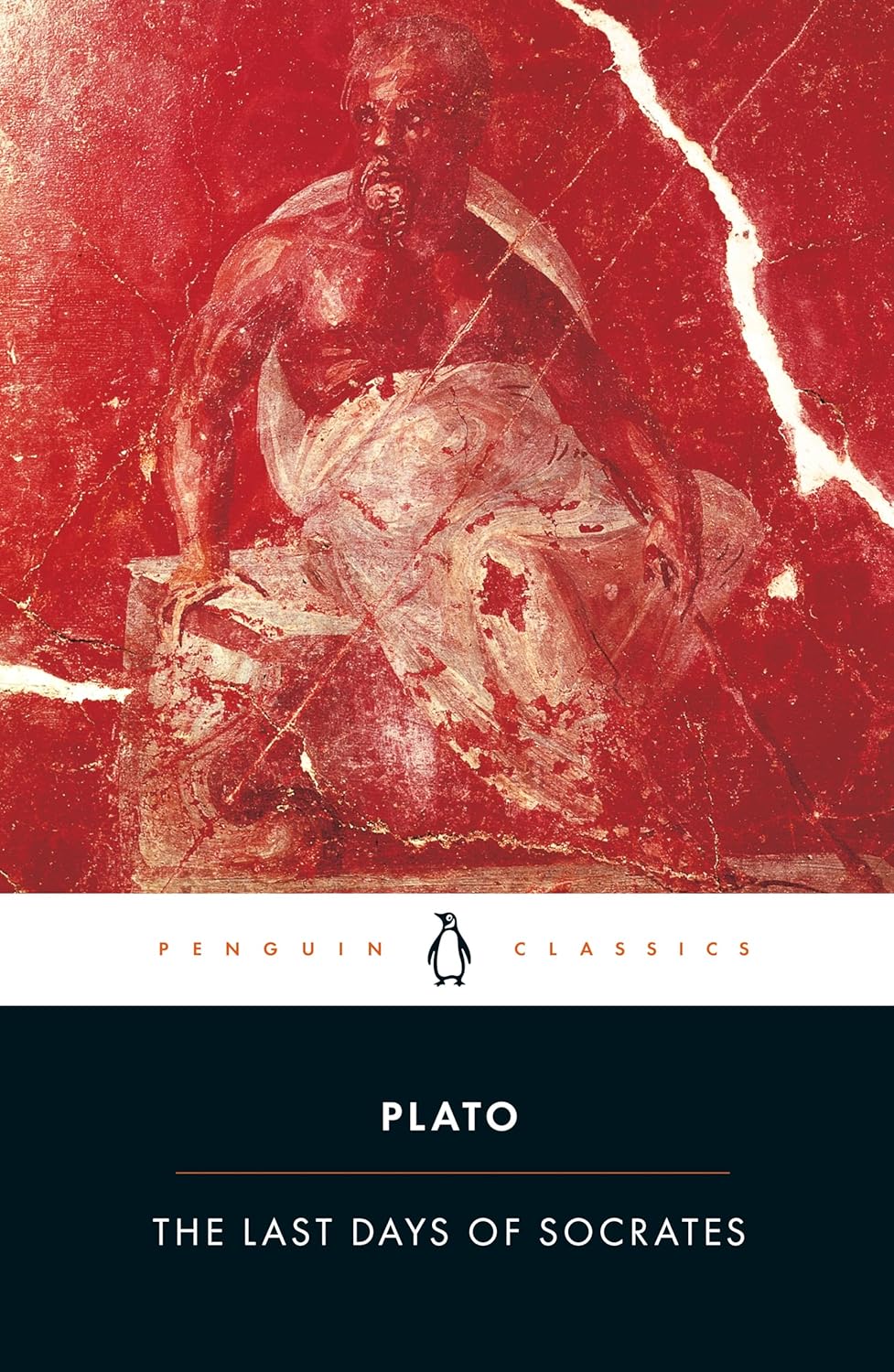
About this book
Accused of corrupting the youth and denying the gods of Athens, Socrates stands trial for his life. In Plato's Apology, witness the philosopher's defiant defense, a powerful testament to truth, reason, and the unexamined life. More than a legal defense, it's a stirring challenge to complacency and a cornerstone of Western thought, revealing Socrates' unwavering commitment to his principles, even in the face of death.
Summary of Key Ideas
- •
Defense Against Corruption and Impiety
The primary accusation against Socrates is corrupting the youth of Athens and impiety, specifically not believing in the city's gods. Socrates refutes these claims by arguing that his philosophical questioning benefits the youth by encouraging critical thinking and self-examination. He suggests that his accusers misunderstand his intentions and the nature of true wisdom. He also points out the contradiction in the accusation of impiety, questioning how he could be both an atheist and introduce new gods, as some have claimed. Socrates presents his defense not as a traditional legal argument but as a justification for his lifelong commitment to philosophical inquiry, framing his actions as divinely inspired.
- •
The Socratic Quest for True Wisdom
Socrates interprets the Oracle of Delphi's pronouncement that no one is wiser than him as a divine mandate to seek out true wisdom. This leads him to question various Athenian citizens known for their wisdom, such as politicians, poets, and craftsmen. He discovers that these individuals, while possessing expertise in their respective fields, often lack true self-awareness and understanding of their own limitations. Socrates concludes that his wisdom lies in his recognition of his own ignorance, setting him apart from those who falsely believe they possess knowledge they do not. This pursuit of truth, driven by the Oracle's pronouncement, forms the core of his philosophical mission.
- •
The Value of the Examined Life
Socrates argues that a life dedicated to examining oneself and others is the greatest good for a human being. He believes that unexamined lives are not worth living, emphasizing the importance of critical thinking, moral reflection, and the pursuit of virtue. He views philosophy as a calling, a divine service that he cannot abandon, even in the face of death. By challenging conventional beliefs and encouraging self-awareness, Socrates aims to improve the souls of his fellow citizens and guide them towards a more virtuous existence. This commitment to the examined life is presented as a fundamental principle that guides his actions and shapes his values.
- •
The Fearlessness of Death
Socrates asserts that he is unafraid of death because he does not know what comes after it. He argues that fearing death is presumptuous since no one can know whether death is a blessing or a curse. He entertains the possibility that death may be a state of nothingness, a peaceful and dreamless sleep, which he would welcome. Alternatively, he considers the possibility of an afterlife where he can continue his philosophical inquiries with other great thinkers. In either case, Socrates maintains that death is not something to be feared, especially when compared to the alternative of compromising his principles and abandoning his commitment to truth and virtue.
- •
Integrity and Principle Over Expediency
Throughout the trial, Socrates refuses to engage in typical courtroom tactics such as pleading for sympathy or bringing his family before the jury to evoke pity. He believes that such actions would be beneath him and would compromise his integrity. He emphasizes that he is not afraid of death and would rather face execution than abandon his philosophical principles. This unwavering commitment to his values, even in the face of mortality, demonstrates his courage and reinforces his belief in the importance of living an ethical and virtuous life. His refusal to manipulate the jury underscores his dedication to truth and justice.
- •
A Catalyst for Future Inquiry
Socrates suggests that his conviction and the subsequent punishment are not a personal defeat but rather a consequence of his commitment to truth and justice. He argues that his accusers have harmed themselves more than him by condemning an innocent man. He believes that escaping death by compromising his principles would be a far greater harm to himself. He predicts that after his death, more individuals will rise up to question and challenge societal norms, continuing the pursuit of truth and virtue. Socrates views his trial as an opportunity to expose the flaws in Athenian society and to inspire others to embrace a life of philosophical inquiry.
Chapter Recap

About The Author
Plato
Main Quotes
"How you, O Athenians, have been affected by my accusers, I cannot tell; but I know that they almost made me forget who I was, so persuasively did they speak; and yet they have hardly uttered a word of truth."
"For to fear death, my friends, is only to think ourselves wise without really being wise, for it is to think that we know what we do not know."
"This, O men of Athens, is the truth and the whole truth; I have concealed nothing, I have dissembled nothing."
"I am wisest of all the Greeks because that which I do not know, I do not think I know either."
"I leave you now, condemned to death by you, but they are condemned by truth to wickedness and injustice."
"The hour of departure has come, and we go our separate ways, I to die, and you to live. Which of these two is the better destiny is unknown to everyone except God."
"...one simply has to conduct one's defense and argue one's case against and accuse in return."
"Neither Meletus nor Anytus can harm me in any way; he could not harm me for I do not think it is permitted that a better man be harmed by a worse."
"The difficulty, my friends, is not in avoiding death, but in avoiding unrighteousness; for that runs faster than death."
"I would rather die having spoken after my manner, than speak in your manner and live."
Who Should Read This Book
Philosophy students and scholars
Individuals interested in classical literature and history
Readers interested in ethics and moral philosophy
Those curious about the life and teachings of Socrates
Individuals interested in ancient Greek culture and society
Lawyers and those interested in legal history and rhetoric
Readers interested in understanding justice, injustice, and civic duty
People interested in the history of ideas and Western thought
Anyone seeking a foundational text in political philosophy
Students of rhetoric and argumentation
Book Summaries Like
The Apology of Socrates



FAQ

Free Access to LitNotes