




 DISCORD
The Art of Letting Go
Nick Trenton


 Apple Books


 25 Min Reading Time
 Audio Version Available
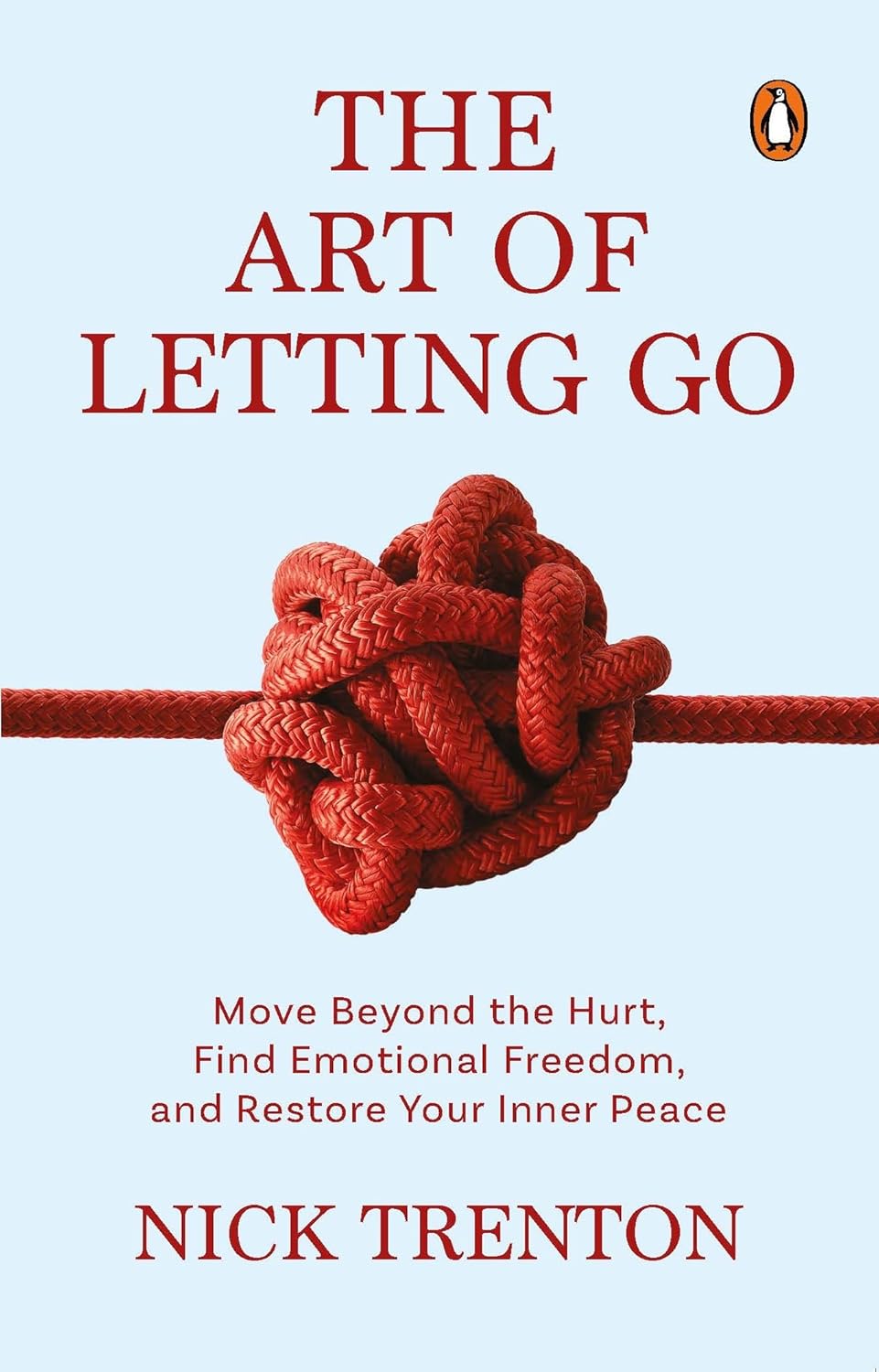
About this book
Is your mind a battlefield of anxieties, regrets, and endless to-dos? It's time to reclaim your inner peace and rediscover the art of letting go. In a world demanding constant vigilance, The Art of Letting Go offers a practical guide to taming the chaos within and finding serenity in the present.
Drawing on a blend of behavioral psychology and mindfulness techniques, Nick Trenton provides actionable strategies to:
- Break free from the past and future: Stop dwelling on what's over or what may never be, and embrace the power of now.
- Rewire anxious thought patterns: Transform your mental programming and dismantle the beliefs that keep you on edge.
- Master your self-talk: Cultivate a positive internal dialogue and reshape your worldview.
- Practice non-judgment: Observe your emotions with compassionate detachment.
- Embrace 'excellent-ism' over perfection: Achieve your goals without being bogged down by impossible standards.
Learn to control what you can, release what you can't, and cultivate a mindset of trust and resilience. Discover the scientifically-backed tools to quiet the noise, find your center, and create a life of calm, control, and lasting happiness.
Summary of Key Ideas
- •
Mastering the Dichotomy of Control
The Dichotomy of Control emphasizes focusing on what you can influence and releasing what you cannot. This involves acknowledging the futility of worrying about external events or the actions of others. By directing energy toward controllable aspects of life, such as personal reactions, goals, and behaviors, individuals can reduce stress and increase their sense of agency. This principle encourages a proactive approach to problem-solving and personal growth, fostering resilience in the face of uncertainty. Ultimately, understanding and applying this dichotomy is essential for cultivating inner peace and emotional stability.
- •
Embracing Acceptance for Emotional Freedom
Acceptance plays a crucial role in the art of letting go, advocating for acknowledging and embracing situations as they are, without resistance or judgment. This doesn't mean condoning negative circumstances but rather recognizing their existence as a necessary first step toward emotional healing. By accepting reality, individuals can avoid getting stuck in cycles of denial, anger, or regret, freeing up mental and emotional resources to address challenges constructively. Acceptance fosters a sense of inner peace and allows for more effective problem-solving and decision-making, paving the way for positive change and personal growth.
- •
Breaking Free from Past and Future
The book highlights the importance of detaching from past regrets and future anxieties. Fixating on past mistakes or future uncertainties can lead to overthinking, stress, and emotional paralysis. Letting go involves consciously shifting focus to the present moment, where one has the power to take action and make positive changes. This requires practicing mindfulness, acknowledging thoughts and feelings without judgment, and redirecting attention to current tasks and experiences. By breaking free from the grip of the past and future, individuals can cultivate a greater sense of peace, gratitude, and fulfillment in the present.
- •
Confronting and Reframing Negativity
Challenging negative thought patterns is essential for fostering emotional well-being and letting go of limiting beliefs. This involves identifying and questioning negative thoughts, such as self-criticism, catastrophizing, and black-and-white thinking. By examining the evidence for and against these thoughts, individuals can gain a more balanced and realistic perspective. Replacing negative thoughts with positive affirmations and self-compassionate statements can help build self-esteem and resilience. This process requires consistent effort and self-awareness, but it ultimately leads to a more optimistic and empowering mindset.
- •
Nurturing Self-Compassion and Kindness
Cultivating self-compassion is a cornerstone of letting go, encouraging individuals to treat themselves with kindness, understanding, and acceptance, especially during difficult times. This involves recognizing one's shared humanity, acknowledging imperfections, and offering oneself the same care and support that one would offer a friend. Self-compassion helps to reduce self-criticism, shame, and isolation, fostering a sense of inner security and emotional resilience. By practicing self-compassion, individuals can create a more nurturing and supportive inner environment, enabling them to navigate challenges with greater ease and grace.
- •
Defining and Enforcing Healthy Boundaries
Establishing healthy boundaries is crucial for protecting one's emotional well-being and letting go of unhealthy relationships and situations. This involves clearly communicating one's needs and limits to others, asserting oneself respectfully, and saying no when necessary. Setting boundaries helps to prevent emotional burnout, resentment, and exploitation. It also fosters healthier and more balanced relationships based on mutual respect and understanding. By defining and enforcing boundaries, individuals can create a sense of safety and control in their lives, empowering them to prioritize their own well-being and happiness.
Chapter Recap

About The Author
Nick Trenton
Main Quotes
"The art of letting go is not about erasing the past, but about releasing the grip it has on your present."
"Control your thoughts; control your life; control your happiness."
"Normal is just a setting on the washing machine."
"The inner critic is that persistent negative voice inside our head that constantly judges, criticizes, and undermines our self-worth."
"Some things are within our power, while others are not."
"Close your eyes and take a few deep breaths, letting go of any tension in your body."
"If you don't leave your past in the past, it will destroy your future. Live for what today has to offer, not what yesterday has taken away."
"The heart, like a hand, sometimes clutches too tightly."
"In your mind let it be done. But keep your life open to the possibility of anything without hoping or fixating on an outcome."
"It's about how to stop living in the past and start living in the present."
Who Should Read This Book
Individuals struggling with overthinking and rumination
People seeking emotional freedom and mental clarity
Those wanting to reduce negative thought patterns and anxiety
Readers interested in self-improvement and personal growth
Individuals looking for practical techniques to manage stress and worry
People seeking guidance on how to let go of past hurts and future anxieties
Readers who enjoy accessible and conversational self-help books
Book Summaries Like
The Art of Letting Go
FAQ

Free Access to LitNotes