




 DISCORD
The Art Thief
Michael Finkel


 Goodreads Choice Awards
 The New York Times Best Sellers


 43 Min Reading Time
 Audio Version Available
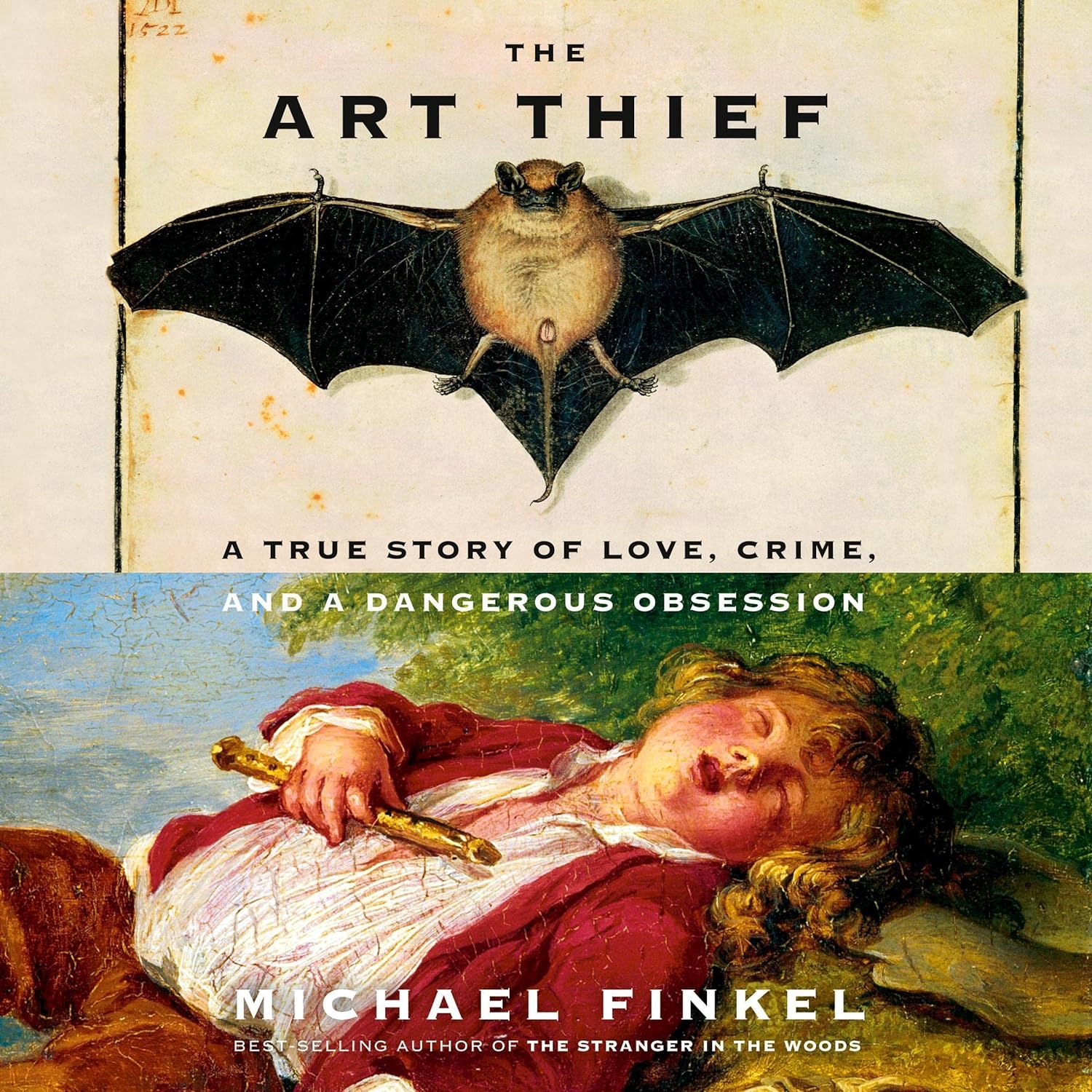
About this book
For eight years, Stéphane Breitwieser, history's most prolific art thief, haunted museums and cathedrals across Europe. Accompanied by his girlfriend, he brazenly pilfered over 300 objects, amassing a collection worth an estimated $2 billion. But unlike typical thieves, Breitwieser never sold a single piece. Instead, he secreted his treasures away in his bedroom, creating a private museum where he alone could admire their beauty.
In "The Art Thief," Michael Finkel masterfully recounts this stranger-than-fiction true crime story, plunging readers into the mind of an obsessive collector driven by an insatiable hunger for art. With each daring heist, Breitwieser's passion grew into a dangerous addiction, blinding him to the risks until his audacious spree inevitably unraveled. This is a spellbinding tale of art, love, and a breathtaking obsession that asks: what is the true cost of beauty?
Summary of Key Ideas
- •
Art for Love, Not Money
The book delves into Stéphane Breitwieser's unique motivation for stealing art. Unlike typical art thieves driven by financial gain, Stéphane steals solely out of a deep, almost obsessive love for the artwork itself. He views the pieces as extensions of himself, enhancing his personal world rather than serving as commodities. This challenges conventional understandings of theft and raises questions about the intrinsic value of art versus its monetary worth. The story explores how this unusual motivation shapes Stéphane's actions and the profound connection he feels with the stolen objects, blurring the lines between appreciation and possession.
- •
The Enabler: A Mother's Complicity
The narrative explores the complex relationship between Stéphane and his mother, Mireille Stengel. Mireille plays a significant role in both enabling and ultimately undoing his criminal activities. Initially, she seems oblivious or willfully blind to her son's thefts. However, as the authorities close in, her actions become more drastic, leading to the destruction of a significant portion of Stéphane's stolen collection in an attempt to protect him. This dynamic highlights the themes of familial loyalty, denial, and the destructive consequences of enabling criminal behavior, adding a layer of psychological depth to the story.
- •
The Illusion of a Victimless Crime
The book examines the concept of victimless crime through Stéphane's perspective. He justifies his actions by arguing that he only steals from museums and public collections, believing that these institutions are impersonal and that the art is not truly 'owned' by anyone. He sees himself as rescuing the art, giving it a better home where it can be truly appreciated. However, the narrative subtly challenges this notion by revealing the cultural and historical losses caused by his thefts, highlighting the importance of public access to art and the inherent value of preserving cultural heritage.
- •
The Art of the Steal
Finkel's narrative captures the thrill and meticulous planning involved in Stéphane's heists. Each theft is described in detail, showcasing Stéphane's audacity and resourcefulness in bypassing security measures and escaping undetected. The book portrays the almost artistic precision with which he executes his crimes, highlighting his knowledge of art and his ability to exploit vulnerabilities in museum security. This element of the story provides a captivating glimpse into the mind of a seasoned thief and the adrenaline-fueled world of art crime.
- •
The Perils of Obsession
The story serves as a cautionary tale about the dangers of unchecked obsession. Stéphane's passion for art spirals into an all-consuming compulsion, leading him down a path of criminal activity and self-destruction. The book explores how this obsession blinds him to the consequences of his actions and the harm he inflicts on himself and those around him. It underscores the importance of balance and self-awareness in pursuing one's passions, warning against the potential for even the most noble interests to turn destructive when taken to extremes.
- •
Museum Security: A House of Cards?
The book raises questions about the security and vulnerability of museums and public art collections. Stéphane's ability to repeatedly steal from numerous institutions across Europe exposes significant flaws in their security systems and protocols. The narrative implicitly criticizes the lack of investment in protecting cultural heritage and highlights the ongoing challenge of balancing accessibility with security. It prompts reflection on the measures necessary to safeguard valuable artworks from theft and ensure their preservation for future generations.
Chapter Recap

About The Author
Michael Finkel
Main Quotes
"Museums are secular churches . . . and to steal there is blasphemous."
"It isn't action, he suspects, that usually lands a thief in prison. It's hesitation."
"He takes only works that stir him emotionally and seldom considers their monetary worth."
"Guided tour groups armed with selfie-stick shanks seem to rumble through rooms like chain gangs."
"To unfasten the first screw amid the steady drip of rainwater felt like Eve succumbing to the forbidden fruit."
"He was not a thief, he insisted, but rather a guardian."
"Breitwieser was, in essence, an art addict."
"Knowing when not to take an item is as vital as knowing which one to grab."
"It was as if he didn't consider stealing to be a crime."
"He didn't want to sell the art. He simply wanted to possess it."
Who Should Read This Book
True crime enthusiasts
Readers interested in art history and the art world
Individuals fascinated by psychology, particularly obsession and compulsion
Those who enjoy biographies and narrative nonfiction
Readers interested in stories about heists and thefts
People who appreciate detailed, journalistic writing
Book Summaries Like
The Art Thief
FAQ

Free Access to LitNotes