




 DISCORD
The Autobiography of Benjamin Franklin
Benjamin Franklin


 Apple Books


 90 Min Reading Time
 Audio Version Available
About this book
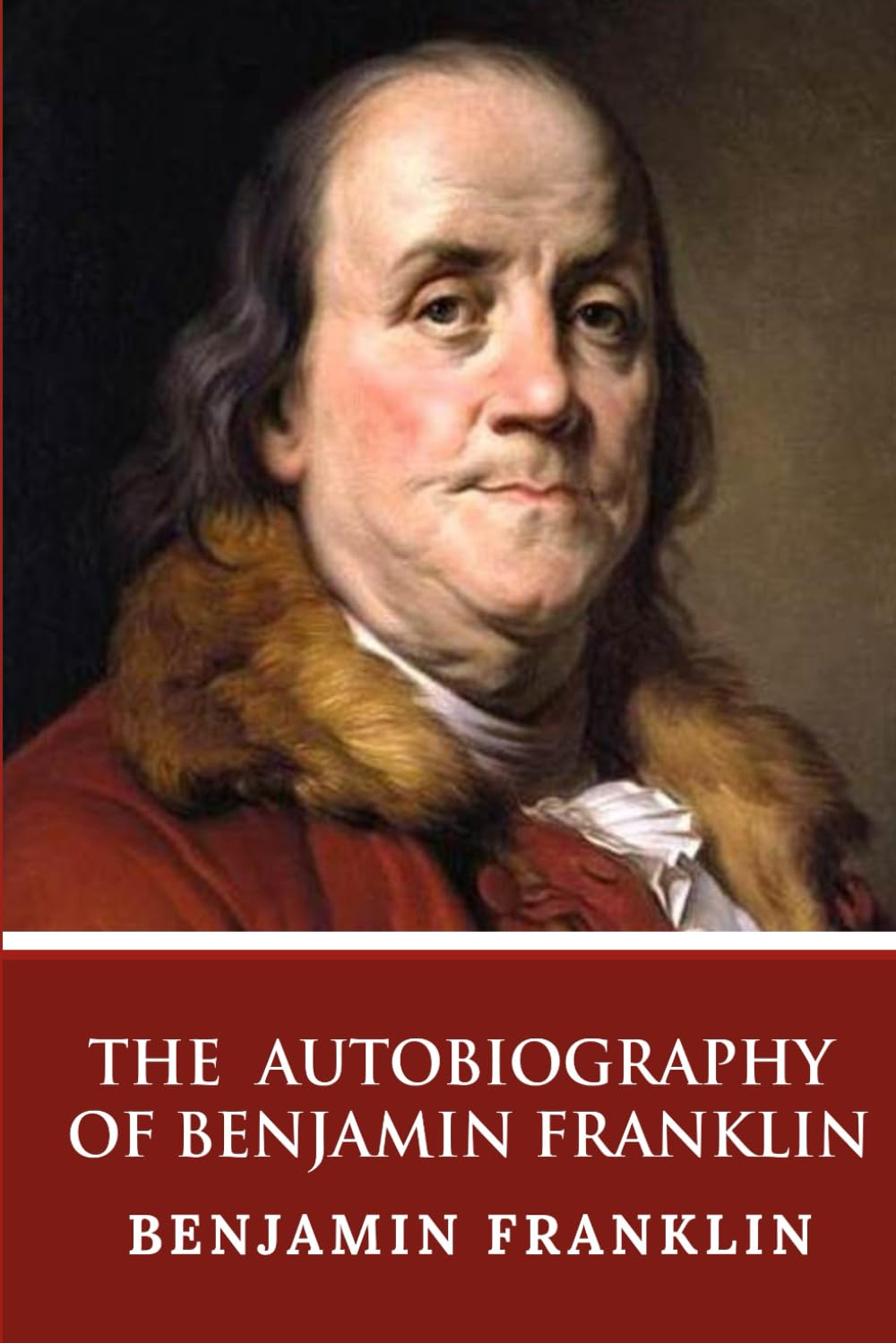
Discover the extraordinary life of one of America's most influential figures in The Autobiography of Benjamin Franklin. Penned by Franklin himself between 1771 and 1790, this unfinished memoir offers a rare and intimate glimpse into the mind of a Founding Father, inventor, philosopher, and statesman.
Follow Franklin's journey from humble beginnings to groundbreaking achievements, as he recounts his pursuit of knowledge, virtue, and the American Dream. With wit and candor, he shares his experiences as a printer, his revolutionary inventions, his role in shaping a nation, and his unwavering commitment to self-improvement.
More than just a historical record, this autobiography is an inspiring testament to the power of ambition, intellect, and relentless self-examination. Dive into the life of Benjamin Franklin and discover the enduring legacy of a true American visionary.
Summary of Key Ideas
- •
The Quest for Moral Perfection
The pursuit of moral perfection is a central theme. Franklin meticulously outlines his plan to achieve moral perfection by focusing on thirteen virtues. These include temperance, silence, order, resolution, frugality, industry, sincerity, justice, moderation, cleanliness, tranquility, chastity, and humility. He creates a system to track his progress, dedicating a week to each virtue to instill it as a habit. Franklin's method highlights his belief in self-improvement through disciplined effort and methodical self-assessment. While he acknowledges that he never fully achieved moral perfection, the endeavor itself shaped his character and contributed to his success. His detailed account provides practical advice for readers seeking to improve themselves.
- •
The Power of Self-Education
Franklin's autobiography champions the power of self-education and lifelong learning. Despite limited formal schooling, Franklin voraciously pursues knowledge through reading and observation. He emphasizes the importance of critical thinking, experimentation, and practical application of knowledge. He details his involvement in establishing libraries and learned societies to promote education within his community. Franklin’s self-directed learning enables him to excel in various fields, from printing and writing to science and diplomacy. His emphasis on continuous learning serves as an inspiration for readers to take ownership of their education and cultivate intellectual curiosity.
- •
The Importance of Industriousness
Industriousness and hard work are presented as essential ingredients for success. Franklin emphasizes the value of diligence, perseverance, and a strong work ethic. He recounts his early struggles as an apprentice printer and how his dedication to his craft led to his eventual prosperity. Franklin embodies the idea that success is attainable through persistent effort and a commitment to excellence. He is strategic in his efforts, always seeking to improve his skills and efficiency. This key idea underscores the importance of actively engaging in meaningful work and striving for continuous improvement, resonating deeply with the American values of self-reliance and upward mobility.
- •
Civic Virtue and Public Service
The Autobiography underscores the significance of civic engagement and public service. Franklin actively participates in his community, initiating projects to improve the lives of his fellow citizens. He is instrumental in establishing institutions such as libraries, fire departments, and hospitals. He continually emphasizes the importance of contributing to the common good and using one’s talents to serve others. Franklin’s commitment to public service reflects his belief in the power of collective action to address social problems and create a better society. This promotes a sense of responsibility and encourages readers to become active and engaged members of their communities.
- •
Embracing Pragmatism
Pragmatism and practicality are core values throughout Franklin's life. He consistently seeks practical solutions to everyday problems, evident in his numerous inventions and innovations. His approach to life is characterized by reason, observation, and a willingness to experiment. He applies his pragmatic mindset to various aspects of his life, from business ventures to scientific inquiry and social reform. Franklin’s focus on tangible results and practical outcomes reflects his down-to-earth approach to life and his ability to adapt to changing circumstances. This pragmatic approach encourages readers to focus on what works and to find effective solutions to challenges.
- •
The American Dream and Social Mobility
The narrative promotes the idea of social mobility and the pursuit of the 'American Dream.' Franklin’s life story embodies the concept that individuals can rise above their circumstances through hard work, education, and determination. Starting from humble beginnings, he achieves success as a printer, writer, scientist, and statesman. His journey exemplifies the opportunities available in America for those willing to work hard and pursue their ambitions. Franklin’s autobiography serves as an inspiring example of social mobility and encourages readers to believe in their potential to achieve their own version of the American Dream. He emphasizes the importance of self-reliance and taking initiative to improve one's life.
- •
The Virtue of Humility
Humility and self-awareness are valuable traits. While Franklin acknowledges his accomplishments, he also recognizes his imperfections and strives to overcome them. He adopts a modest demeanor, understanding the importance of avoiding arrogance and maintaining good relationships with others. He learns from his mistakes and is willing to admit when he is wrong. Franklin's emphasis on humility highlights the importance of self-reflection and the need to remain grounded despite success. This encourages readers to cultivate self-awareness and to recognize the value of humility in both personal and professional life.
Chapter Recap

About The Author
Benjamin Franklin
Main Quotes
"Human felicity is produc'd not so much by great pieces of good fortune that seldom happen, as by little advantages that occur every day."
"In reality, there is, perhaps, no one of our natural passions so hard to subdue as pride."
"I conceiv'd the bold and arduous project of arriving at moral perfection."
"My intention being to acquire the habitude of all these virtues, I judg'd it would be well not to distract my attention by attempting the whole at once, but to fix it on one of them at a time; and, when I should be master of that, then to proceed to another."
"Eat not to dullness; drink not to elevation."
"Speak not but what may benefit others or yourself; avoid trifling conversation."
"Let all your things have their places; let each part of your business have its time."
"Resolve to perform what you ought; perform without fail what you resolve."
"Lose no time; be always employ'd in something useful; cut off all unnecessary actions."
"Avoid extremes; forbear resenting injuries so much as you think they deserve."
Who Should Read This Book
Readers interested in American history and the Founding Fathers.
Individuals seeking self-improvement and practical wisdom.
Students and academics studying American literature and autobiography.
Readers interested in the Enlightenment era and its values.
Those interested in the history of science, invention, and printing.
People looking for a classic work of American literature.
Readers interested in the rags-to-riches story and the American Dream.
Individuals interested in philosophical and ethical reflections on life.
Book Summaries Like
The Autobiography of Benjamin Franklin



FAQ

Free Access to LitNotes