




 DISCORD
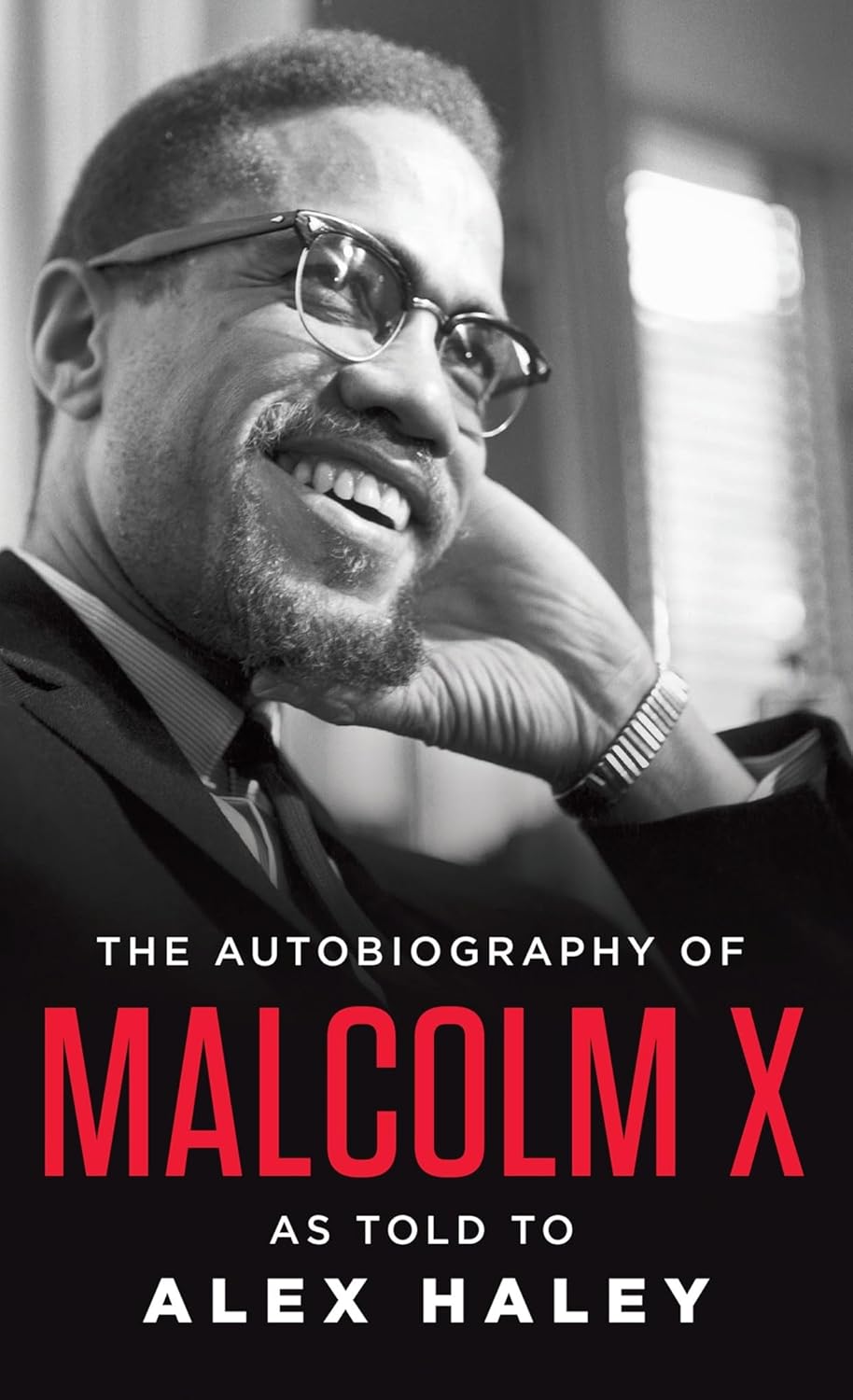
The Autobiography of Malcolm X
Malcolm X


 Apple Books


 86 Min Reading Time
 Audio Version Available
About this book
A powerful and transformative journey of self-discovery, The Autobiography of Malcolm X is an unflinching account of a life remade. From a childhood marked by racism and violence, to his years as a hustler and prison inmate, Malcolm X recounts his personal evolution and eventual conversion to the Nation of Islam.
Through his eloquent voice, shaped by Alex Haley, readers witness Malcolm's emergence as a fiery advocate for Black pride, Black nationalism, and Pan-Africanism. This spiritual conversion narrative details his relentless pursuit of knowledge, his embrace of Islam, and his evolving understanding of racial injustice in America.
More than a memoir, this is a testament to the power of faith, the possibility of change, and the enduring fight for equality. It remains a vital and relevant work, challenging readers to confront uncomfortable truths and inspiring generations to strive for a better world.
Summary of Key Ideas
- •
A Journey of Transformation
Malcolm X's autobiography chronicles his profound journey of self-transformation, evolving from a life of crime and marginalization to becoming a prominent figure in the fight for Black liberation. This transformation is not a singular event but a series of significant shifts in his identity and beliefs. His experiences in prison, particularly his conversion to the Nation of Islam, marked a crucial turning point, initiating his intellectual and spiritual awakening. Later, his pilgrimage to Mecca and embrace of orthodox Islam led him to renounce his earlier separatist views, advocating for unity and brotherhood among all races. This ongoing process of self-discovery and ideological evolution highlights the capacity for change and growth, even in the face of deeply ingrained societal challenges and personal struggles, illustrating the power of introspection and the pursuit of knowledge.
- •
Exposing Systemic Racism
The autobiography underscores the pervasive and dehumanizing impact of systemic racism on Black individuals and communities. Malcolm X vividly recounts his personal experiences with racism, from his childhood encounters with white supremacist violence to the everyday indignities he faced as a Black man in America. He exposes how racism manifests not only in overt acts of discrimination but also in subtle forms of prejudice that erode self-esteem and limit opportunities. The book challenges readers to confront the deep-seated racial biases that permeate American society and to recognize the urgent need for dismantling systems of oppression. Through his powerful narrative, Malcolm X calls for a radical shift in attitudes and policies to achieve true racial equality and justice.
- •
The Power of Self-Education
Education, particularly self-education, emerges as a powerful tool for empowerment and liberation in Malcolm X's narrative. While incarcerated, he embarked on a rigorous program of reading and self-study, transforming himself from a high school dropout to a highly articulate and informed intellectual. This self-directed education instilled in him a deep understanding of history, politics, and social issues, enabling him to critically analyze the structures of power and articulate a compelling vision for Black liberation. Malcolm X's emphasis on self-education highlights the importance of knowledge and critical thinking in challenging oppression and shaping one's own destiny. He demonstrates how individuals can overcome educational barriers and empower themselves through a commitment to lifelong learning.
- •
Evolving Black Nationalism
The autobiography highlights Malcolm X's evolving understanding of Black nationalism, from his initial advocacy for racial separation and Black self-reliance within the Nation of Islam to his later embrace of a more inclusive vision of Pan-Africanism and global solidarity. Initially, he believed that Black people needed to create their own separate nation to escape the oppression and discrimination of white society. However, his travels to Africa and the Middle East broadened his perspective, leading him to recognize the shared struggles of oppressed people around the world. He began to advocate for unity and cooperation among all people of African descent, regardless of their nationality or religion, to combat racism and colonialism on a global scale. This evolution reflects his growing awareness of the interconnectedness of racial justice movements and the need for collective action to achieve liberation.
- •
The Transformative Role of Religion
Religion plays a central role in Malcolm X's life and ideological development, shaping his understanding of identity, purpose, and social justice. His conversion to the Nation of Islam in prison provided him with a sense of belonging and a framework for understanding the historical and social forces that had shaped his life. The Nation of Islam's teachings on Black pride, self-reliance, and the inherent wickedness of white society resonated deeply with him, offering a powerful counter-narrative to the dominant racist ideology. Later, his departure from the Nation of Islam and embrace of orthodox Islam led him to reject his earlier separatist views and embrace a more universal vision of brotherhood and equality. This spiritual journey underscores the transformative power of religion and its potential to inspire social change.
- •
Fighting for Human Rights
Malcolm X's unwavering commitment to fighting for human rights and social justice is a central theme of his autobiography. He passionately advocated for the rights of Black people to equality, dignity, and self-determination, challenging the systemic injustices that denied them these fundamental rights. His powerful speeches and activism inspired countless individuals to join the struggle for civil rights and Black liberation. He was not afraid to confront the powerful forces of racism and oppression, and he consistently spoke truth to power, even when it was unpopular or dangerous. His legacy as a champion of human rights continues to inspire activists and social justice advocates around the world, reminding us of the importance of fighting for a more just and equitable society.
- •
Identity and Self-Discovery
The book explores the theme of identity formation and the search for self in a society that actively seeks to deny Black people their sense of worth and belonging. Malcolm X grapples with questions of race, culture, and heritage as he navigates the complexities of American society. He rejects the imposed identities and stereotypes that seek to define him, instead forging his own sense of self through education, activism, and spiritual exploration. His journey of self-discovery highlights the importance of reclaiming one's identity and challenging the dominant narratives that perpetuate racism and oppression. He redefines what it means to be Black in America, embracing pride, self-reliance, and a commitment to social justice.
- •
The Transformative Power of the Hajj
Malcolm X’s pilgrimage to Mecca, known as the Hajj, marks a pivotal shift in his perspective on race relations and the potential for human unity. Witnessing Muslims of all races and nationalities praying together in harmony shattered his previous belief that racial integration was impossible. This experience led him to embrace orthodox Islam and reject the separatist teachings of the Nation of Islam. The Hajj transformed his understanding of brotherhood and equality, inspiring him to advocate for a more inclusive vision of social justice. This transformative journey highlights the power of intercultural exchange and spiritual experience to challenge preconceived notions and promote understanding and empathy.
- •
Navigating Faith and Loyalty
Malcolm X's relationship with Elijah Muhammad and the Nation of Islam is a complex and significant aspect of his autobiography. Initially, he revered Elijah Muhammad as a spiritual leader and embraced the Nation of Islam's teachings on Black pride and self-reliance. However, as Malcolm X's influence grew and he began to question certain aspects of the Nation's doctrine and Elijah Muhammad's personal conduct, tensions arose. His eventual break with the Nation of Islam was a painful and difficult decision, but it reflected his commitment to truth and his evolving understanding of Islam and social justice. This complex relationship highlights the challenges of navigating faith, loyalty, and personal conviction in the pursuit of a greater cause.
Chapter Recap

About The Author
Malcolm X
Main Quotes
"I'm an extremist for freedom."
"The main thing you got to remember is that everything in the world is a hustle."
"You're not supposed to be so blind with patriotism that you can't face reality. Wrong is wrong, no matter who does it or says it."
"I was going through the hardest thing, also the greatest thing, for any human being to do; to accept that which is already within you, and around you."
"Without education, you’re not going anywhere in this world."
"A man who stands for nothing will fall for anything."
"I believe in recognizing every human being as a human being, neither white, black, brown, nor red; and when you are dealing with humanity as a family there's no question of integration or intermarriage. It's just like one family."
"The future belongs to those who prepare for it today."
"I have always been a man who tries to face facts, and to accept the reality of life as new experience and new knowledge unfolds it."
"Envy blinds people and makes them irrational."
Who Should Read This Book
Readers interested in African American history and the Civil Rights Movement
Individuals seeking personal transformation and redemption stories
Those interested in the Nation of Islam and its impact on American society
Readers exploring themes of race, identity, and social justice
Students and educators in courses on American literature, history, and African American studies
People interested in autobiographies and memoirs of influential figures
Individuals seeking to understand the perspectives of marginalized communities
Readers interested in political activism and social change
Those exploring themes of religion and spirituality
People looking for a powerful and thought-provoking read about self-discovery
Book Summaries Like
The Autobiography of Malcolm X




FAQ

Free Access to LitNotes