




 DISCORD
The Blue Zones
Dan Buettner


 Apple Books


 63 Min Reading Time
 Audio Version Available
About this book
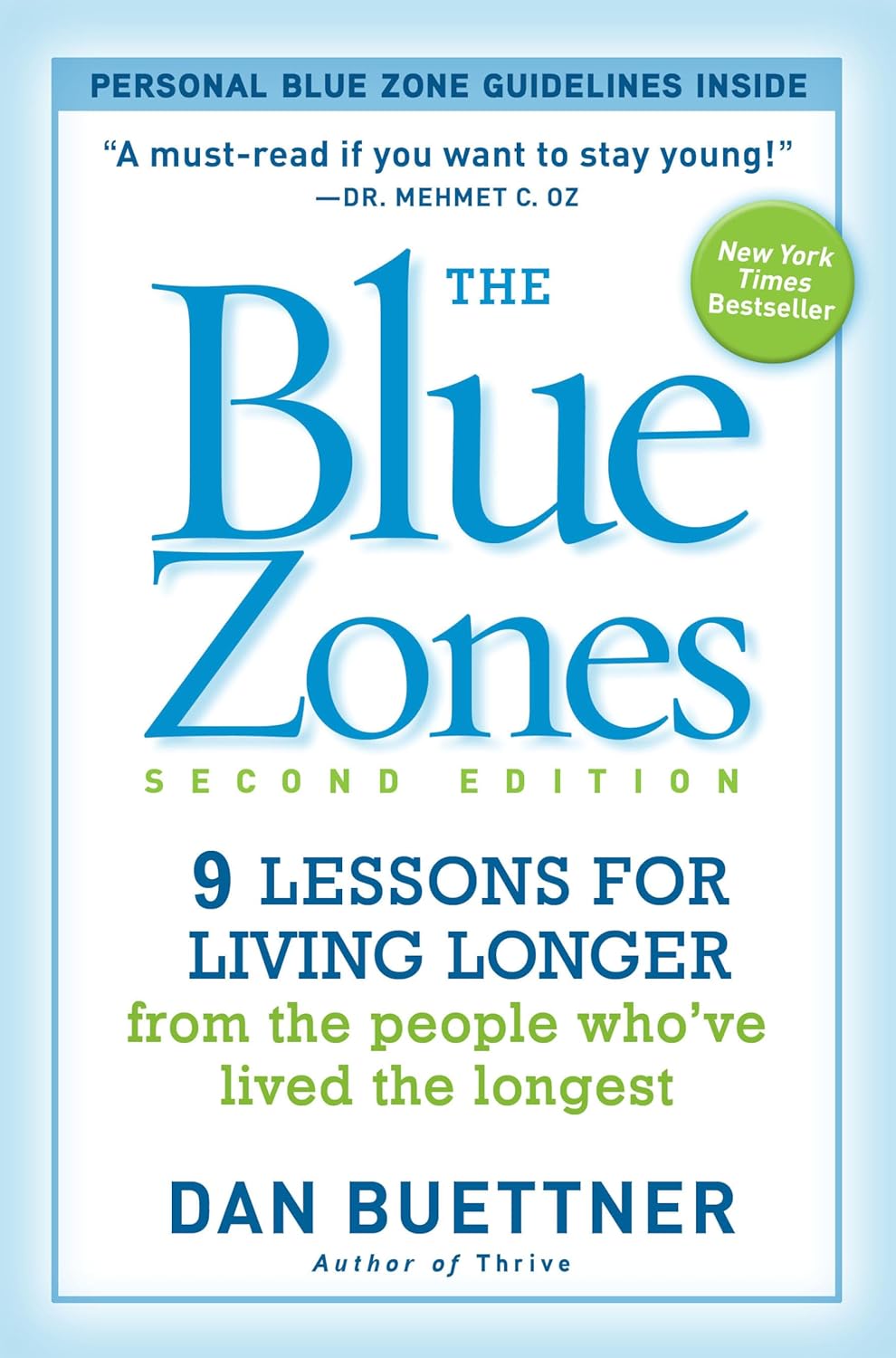
National Geographic Explorer Dan Buettner unlocks the secrets to a longer, healthier, and more vibrant life in The Blue Zones, an insightful journey to the world's longevity hotspots. From Sardinia to Okinawa, discover the extraordinary lifestyles of those who consistently live active, fulfilling lives past the age of 100. Through compelling stories and evidence-based research, Buettner reveals the power of community, the benefits of daily movement, and the surprising impact of plant-based diets. The Blue Zones isn't just a travelogue; it's a practical blueprint for a better life, offering simple yet profound changes you can make today to live a longer, richer, and more meaningful life, wherever you are.
Summary of Key Ideas
- •
Defining the Blue Zones: A Geography of Longevity
The concept of "Blue Zones" refers to specific geographical areas around the world where people live demonstrably longer and healthier lives than the average population. These zones aren't just about longevity; they represent a holistic approach to living that encompasses diet, lifestyle, community, and purpose. Buettner's work identifies and explores these regions to uncover the secrets behind their inhabitants' remarkable health and extended lifespans, offering insights applicable to improving well-being globally. This foundational concept sets the stage for understanding the specific practices and principles that contribute to a longer, more fulfilling life.
- •
Plant-Based Eating: The Dietary Foundation of Longevity
A cornerstone of the Blue Zones lifestyle is a plant-based diet. The people in these regions primarily consume vegetables, fruits, whole grains, and legumes. Meat is eaten sparingly, often only on special occasions. This dietary pattern provides essential nutrients, fiber, and antioxidants, contributing to reduced risk of chronic diseases and supporting overall health. Emphasizing whole, unprocessed foods, the Blue Zones diet highlights the importance of making conscious food choices that nourish the body and promote longevity. It's not about strict restriction but rather about prioritizing nutrient-dense, plant-based options.
- •
Mindful Eating: Portion Control and Savoring Life
Beyond just *what* they eat, *how* Blue Zones residents eat is also crucial. They typically consume smaller portions, often until only about 80% full – a practice rooted in the Okinawan concept of "hara hachi bu." Mindful eating, taking the time to savor meals and appreciate the social aspect of dining, is also prevalent. These habits prevent overeating, aid digestion, and foster a healthier relationship with food. The emphasis is on enjoying meals as a communal experience, strengthening social bonds and enhancing overall well-being.
- •
Natural Movement: Integrating Activity into Daily Life
Daily physical activity is seamlessly integrated into the Blue Zones lifestyle, not as a chore, but as a natural part of everyday life. Residents don't rely on gyms or structured exercise routines; instead, they live in environments that encourage movement, such as walking, gardening, and performing manual labor. This consistent, low-intensity activity helps maintain cardiovascular health, strengthens muscles and bones, and improves overall mobility. The key is to find enjoyable ways to stay active, making it a sustainable habit for life.
- •
The Power of Connection: Community and Social Bonds
Strong social connections and a sense of community are vital components of the Blue Zones lifestyle. Residents prioritize relationships with family, friends, and neighbors, fostering a sense of belonging and support. Social interaction reduces stress, promotes emotional well-being, and provides a buffer against loneliness and isolation. Participating in community activities, volunteering, and maintaining close relationships contribute to a fulfilling life and a strong social network.
- •
Purposeful Living: Finding Meaning and Motivation
Having a strong sense of purpose, often referred to as "ikigai" in Okinawa or "plan de vida" in Nicoya, is another defining characteristic of Blue Zones residents. Knowing their reason for getting up in the morning provides motivation, resilience, and a sense of meaning in life. This purpose can be found in various activities, such as volunteering, pursuing hobbies, or contributing to their community. A strong sense of purpose contributes to mental and emotional well-being, and has been linked to increased longevity.
- •
Stress Reduction: Cultivating Calm and Resilience
Stress management is an important aspect of the Blue Zones lifestyle. While stress is unavoidable, residents in these regions have developed effective coping mechanisms to mitigate its negative effects. These may include prayer, meditation, spending time in nature, or simply taking regular breaks throughout the day. By prioritizing stress reduction, they protect their cardiovascular health, immune system, and overall well-being. These practices promote a sense of calm and resilience, helping individuals navigate life's challenges with greater ease.
- •
Faith and Spirituality: Connecting to Something Larger
Many Blue Zones communities share a common thread of faith or spirituality. Engaging in religious or spiritual practices provides a sense of community, social support, and meaning in life. These practices can reduce stress, promote positive emotions, and provide a framework for ethical behavior. While specific beliefs and rituals may vary, the underlying principle of connecting with something larger than oneself contributes to overall well-being and a sense of belonging.
Chapter Recap

About The Author
Dan Buettner
Main Quotes
"A long healthy life is no accident. It begins with good genes, but it also depends on good habits."
"It took me a long time to realize that beauty is within. It comes from not worrying so much about your own problems. Sometimes you can best take care of yourself by taking care of others. Eat your vegetables, have a positive outlook, be kind to people, and smile."
"True happiness involves the pursuit of worthy goals. Without dreams, without risks, only a trivial semblance of living can be achieved."
"The people you surround yourself with influence your behaviours, so choose friends who have healthy habits."
"The world's longest-lived people operate by certain principles that have been distilled into a set of practices that shape their longevity."
"Tea: People in all the blue zones drink tea. Okinawans nurse green tea all day. Green tea has been shown to lower the risk of heart disease and several cancers."
"A doctor may know more than a peasant, but a peasant and a doctor know more together."
"Find the right tribe."
"Plant a garden."
"Downshift."
Who Should Read This Book
Individuals interested in longevity and healthy aging
People interested in nutrition and diet
Readers interested in travel and cultural studies
Individuals seeking lifestyle changes for improved well-being
Health and wellness professionals
Those interested in population studies and demographics
Readers interested in social science and anthropology
Individuals seeking inspiration for a more fulfilling life
Fans of Dan Buettner's other works
People looking for evidence-based approaches to health
Book Summaries Like
The Blue Zones

FAQ

Free Access to LitNotes