




 DISCORD
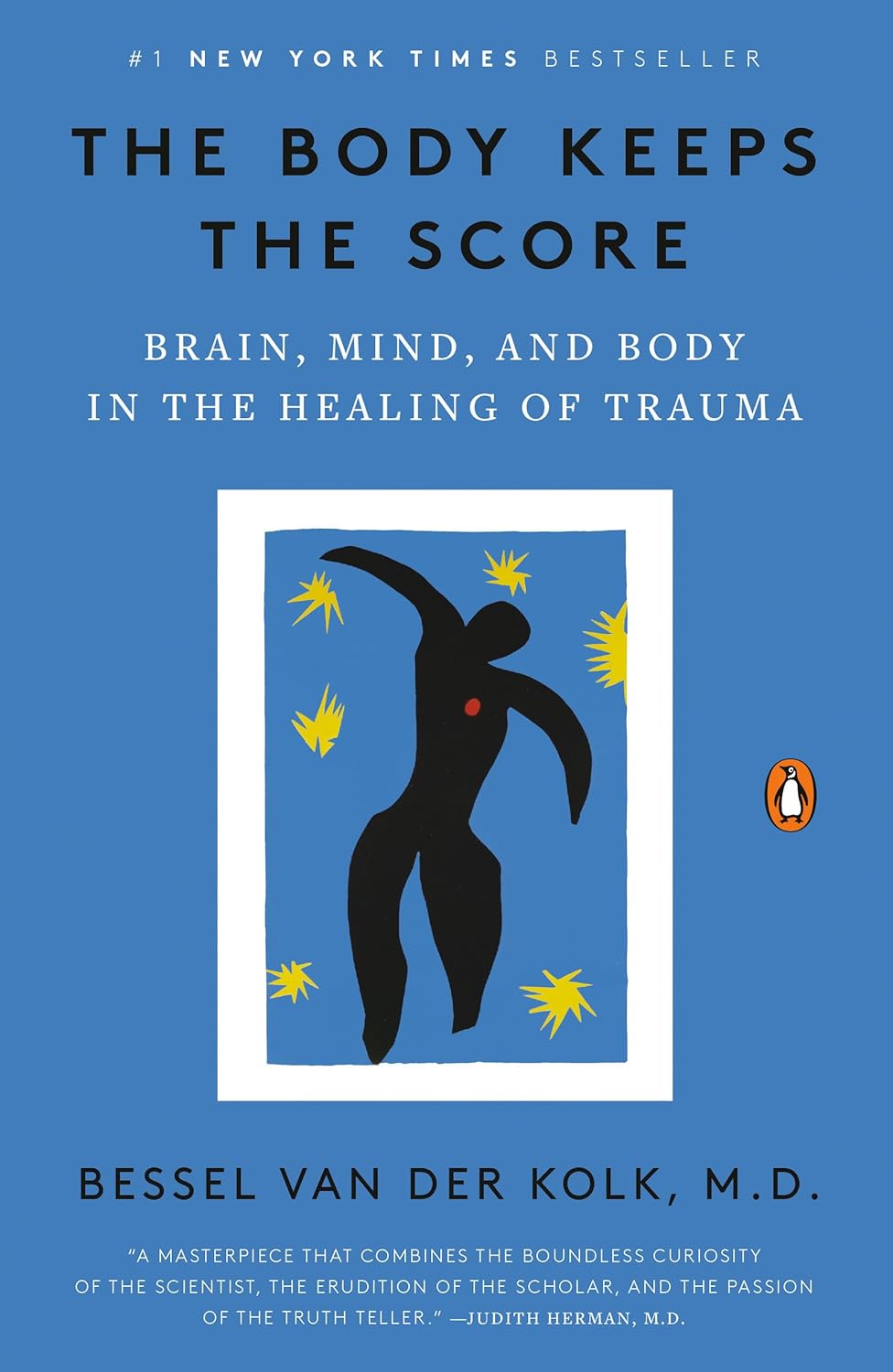
The Body Keeps the Score
Bessel van der Kolk


 Amazon Best Sellers
 The New York Times Best Sellers


 89 Min Reading Time
 Audio Version Available
About this book
In this groundbreaking New York Times bestseller, renowned trauma expert Dr. Bessel van der Kolk revolutionizes our understanding of trauma and offers a powerful new path to healing. Drawing on decades of research and real-life stories, The Body Keeps the Score reveals the devastating impact of trauma on the mind, body, and spirit, compromising our capacity for pleasure, connection, and self-control.
Van der Kolk explores innovative treatments beyond traditional therapy and medication, including neurofeedback, mindfulness, yoga, and the arts, to activate the brain's natural ability to heal. Discover how these approaches can restore equilibrium, foster resilience, and unlock the potential to reclaim your life. The Body Keeps the Score is a compassionate and empowering guide for survivors, clinicians, and anyone seeking to understand the profound effects of trauma and the transformative power of recovery.
Summary of Key Ideas
- •
The Body Remembers: Trauma's Physical Imprint
Trauma is deeply imprinted within the body, not just the mind. Van der Kolk argues that traumatic experiences alter the brain's functioning, affecting stress response, emotional regulation, and the capacity for connection. This manifests physically, leading to chronic pain, digestive issues, and other somatic symptoms. The body becomes a repository for unresolved trauma, constantly reliving the past in the present. Understanding this mind-body connection is crucial for effective trauma treatment, moving beyond solely cognitive approaches to incorporate body-based therapies that address the physical manifestations of trauma.
- •
Beyond Talk Therapy: Healing Through the Body
Traditional talk therapy has limitations in treating trauma because it primarily engages the cognitive brain, while trauma's impact is largely felt in the emotional and sensory parts of the brain. Van der Kolk advocates for incorporating somatic experiencing, mindfulness, yoga, and other body-oriented approaches that can directly address the dysregulation caused by trauma. These modalities help individuals reconnect with their bodies, regulate their nervous systems, and develop a sense of safety and control that talk therapy alone often cannot achieve.
- •
Dysregulation: Trauma's Impact on the Nervous System
Trauma disrupts the brain's natural ability to filter and process sensory information, leading to a state of chronic hyperarousal or hypoarousal. Hyperarousal involves heightened anxiety, vigilance, and reactivity, while hypoarousal manifests as emotional numbing, dissociation, and withdrawal. Both states reflect a dysregulated nervous system struggling to maintain equilibrium. Effective trauma treatment aims to restore the brain's capacity for self-regulation, enabling individuals to navigate stress and emotions more effectively.
- •
Attachment and Connection: Rebuilding Relational Safety
The capacity for secure attachment is fundamental to human well-being, and trauma often disrupts this capacity. Traumatic experiences, particularly in childhood, can impair the ability to form healthy relationships, leading to difficulties with trust, intimacy, and emotional connection. Healing from trauma involves rebuilding a sense of safety and connection with others, fostering supportive relationships that promote emotional regulation and resilience. Group therapies and relational approaches can be particularly beneficial in addressing attachment wounds.
- •
Neuroplasticity: Rewiring the Traumatized Brain
Neuroplasticity, the brain's ability to reorganize itself by forming new neural connections, offers hope for trauma recovery. Van der Kolk emphasizes that the brain is not fixed but can be reshaped through targeted interventions and experiences. By engaging in activities that promote emotional regulation, mindfulness, and social connection, individuals can rewire their brains and create new neural pathways that support healing and resilience. This underscores the importance of ongoing, active participation in the recovery process.
- •
Mindfulness: Reclaiming the Present Moment
Mindfulness practices, such as meditation and body scans, play a crucial role in trauma recovery by helping individuals cultivate present moment awareness and reconnect with their bodies. Trauma often leads to dissociation, a sense of detachment from one's body and emotions. Mindfulness helps individuals gently return to the present, observe their thoughts and feelings without judgment, and develop a greater sense of self-awareness and embodiment. This practice is essential for regulating the nervous system and fostering a sense of inner calm.
- •
Empowerment: Reclaiming Agency and Control
Trauma can lead to a loss of agency and control, as individuals feel overwhelmed and helpless in the face of traumatic events. Empowerment is a key aspect of healing, involving regaining a sense of control over one's body, mind, and life. This can be achieved through various means, such as setting boundaries, making choices, and engaging in self-care activities. By actively participating in their own recovery, individuals can reclaim their power and build resilience.
- •
Creative Expression: Finding a Voice Beyond Words
Creative expression, such as art, music, and dance, provides a non-verbal outlet for processing and expressing traumatic experiences that may be difficult to articulate verbally. These modalities can bypass the cognitive brain and directly access the emotional and sensory realms, allowing individuals to release pent-up emotions, explore their inner world, and develop a sense of mastery and self-expression. Creative arts therapies can be particularly helpful for individuals who struggle with verbal communication or have difficulty accessing their emotions through traditional talk therapy.
Chapter Recap

About The Author
Bessel van der Kolk
Main Quotes
"Traumatized people chronically feel unsafe inside their bodies: The past is alive in the form of gnawing interior discomfort."
"Being able to feel safe with other people is probably the single most important aspect of mental health; safe connections are fundamental to meaningful and satisfying lives."
"As long as you keep secrets and suppress information, you are fundamentally at war with yourself."
"The challenge of recovery is to reestablish ownership of your body and your mind—of yourself."
"In order to change, people need to become aware of their sensations and the way that their bodies interact with the world around them. Physical self-awareness is the first step in releasing the tyranny of the past."
"Mindfulness is awareness of present experience with acceptance."
"The greatest sources of our suffering are the lies we tell ourselves."
"Language gives us the power to change ourselves and others by communicating our experiences."
"What has happened cannot be changed, but what we do with that knowledge is up to us."
"The act of telling the story doesn’t relieve the trauma, what matters is finding a way to integrate it."
Who Should Read This Book
Mental health professionals (therapists, psychiatrists, psychologists)
Trauma survivors
Loved ones of trauma survivors
Individuals seeking to understand trauma and its effects
People interested in the connection between mind, body, and brain
Readers interested in alternative therapies for trauma
Those seeking clinical, social, or political solutions to trauma and violence
Healthcare professionals
Individuals with PTSD
Anyone interested in neuroscience and its implications for mental health
Book Summaries Like
The Body Keeps the Score

FAQ

Free Access to LitNotes