




 DISCORD
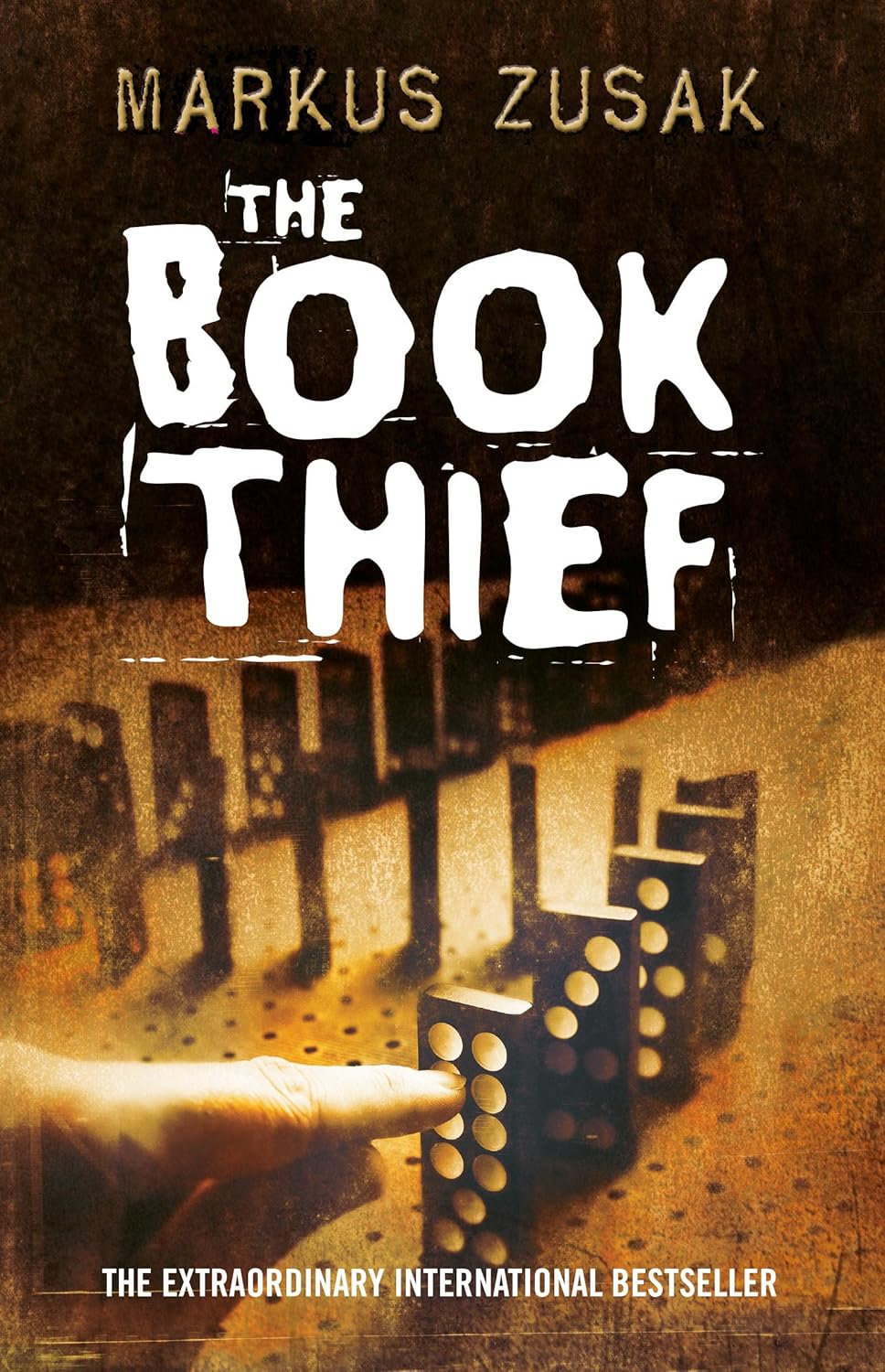
The Book Thief
Markus Zusak


 Amazon Best Sellers
 The New York Times Best Sellers


 57 Min Reading Time
 Audio Version Available
About this book
- Nazi Germany. A world holding its breath. Narrated by Death, this is the story of Liesel Meminger, a young foster girl living outside of Munich, who discovers solace and power in stolen books.
In a time of immense darkness, Liesel finds light in the pages she rescues, aided by her kind accordion-playing foster father. Together, they unlock the magic of words, sharing them with neighbors during terrifying bombing raids and offering refuge to a Jewish man hidden in their basement.
Markus Zusak's The Book Thief is an unforgettable tale of resilience, the power of words, and the enduring strength of the human spirit, even in the face of unimaginable adversity.
Summary of Key Ideas
- •
The Double-Edged Sword of Words
The Power of Words is a central theme, highlighting their ability to both destroy and heal. Words are used for Nazi propaganda, inciting hatred and violence, but Liesel discovers the power of words to create beauty, offer solace, and defy oppression. She learns to read and write, finding refuge in stories and sharing them with others, like Max Vandenburg, to offer comfort during dark times. This theme underscores the responsibility that comes with language and its profound impact on individuals and society.
- •
Death's Unconventional Perspective
Death acts as the narrator, offering a unique perspective on life, loss, and the human condition. This narrative choice allows for a detached yet intimate exploration of the events unfolding in Nazi Germany. Death is weary of the constant stream of souls but also intrigued by Liesel, whom he encounters multiple times. Death's narration provides commentary on the beauty and ugliness of humanity, emphasizing the preciousness of life amidst widespread destruction.
- •
Humanity's Capacity for Good and Evil
The Kindness and Cruelty of Humans are juxtaposed throughout the novel, revealing the complex nature of individuals during wartime. While the Nazi regime promotes hatred and violence, characters like Hans Hubermann display profound compassion and empathy. He teaches Liesel to read, hides Max in their basement, and offers kindness to those in need, demonstrating the resilience of human goodness in the face of adversity. This contrast highlights the moral choices individuals make during times of conflict.
- •
Stealing as an Act of Defiance and Self-Discovery
The act of Stealing symbolizes Liesel's defiance against the oppressive regime and her hunger for knowledge and understanding. She steals books, not out of malice, but out of a desperate need to make sense of the world around her and to create her own narrative. These stolen books become treasures that nourish her soul and connect her to others. Stealing also represents her taking control of her own life in a world where she has little agency.
- •
Literacy: A Path to Empowerment and Freedom
The Importance of Reading and Literacy is emphasized as a means of empowerment and escape. Liesel's ability to read opens up new worlds to her, providing comfort, knowledge, and a sense of identity. Reading allows her to question the propaganda she is exposed to and to develop her own critical thinking skills. The sharing of stories creates a bond between Liesel and Max, and it becomes a form of resistance against the dehumanizing forces of Nazism. Literacy, therefore, becomes a tool for survival and a source of hope.
- •
The Power of Human Connection
Friendship and Loyalty provide solace and strength in a world filled with hatred and fear. Liesel's relationships with Rudy Steiner and Max Vandenburg demonstrate the power of human connection. Rudy's unwavering loyalty and playful spirit offer Liesel a sense of normalcy and joy. Max's presence in the Hubermann's basement creates a bond of shared vulnerability and resilience. These friendships sustain Liesel through immense loss and hardship, reminding her of the importance of love and compassion.
- •
Navigating Moral Ambiguity in Nazi Germany
The Dualities of Nazi-era Germany explore the complexities of life under a totalitarian regime. The novel portrays both the fervent supporters of the Nazi party and those who secretly resisted or dissented. This duality highlights the moral ambiguities of the time and the difficult choices individuals faced. Characters like Hans Hubermann, who initially joins the Nazi party for survival but later regrets it, exemplify the internal conflicts and compromises people made to navigate the dangerous political landscape.
- •
Honoring the Past, Protecting the Future
The responsibility of the Living to the Dead is subtly explored, particularly as Liesel grapples with the loss of her brother and her separation from her mother. She carries the weight of these experiences and seeks to honor their memory through her actions. Her connection with Max, a Jewish refugee, further emphasizes this theme, as she risks her own safety to protect him and keep his memory alive. The novel suggests that remembering and honoring the dead is essential to preserving humanity and preventing future atrocities.
Chapter Recap

About The Author
Markus Zusak
Markus Zusak was born in 1975 and is the author of five books, including the international bestseller, The Book Thief, which is translated into more than forty languages. First released in 2005, The Book Thief has spent more than a decade on the New York Times bestseller list, and still remains there to this day. source: http://www.zusakbooks.com photo: https://www.facebook.com/MarkusZusak/
Main Quotes
"I have hated the words and I have loved them, and I hope I have made them right."
"Sometimes I imagined how everything looked above those clouds, knowing without question that the sun was blond, and the endlessness of blue was just that. Endless."
"A snowball in the face is surely the perfect beginning to a lasting friendship."
"The only thing worse than a boy who hates you: a boy that loves you."
"I am haunted by humans."
"They say that war is death's best friend, but I must offer you a different point of view on that one. To me, war is like the new boss who expects you to do twice the work for half the pay."
"I wanted to tell the book thief many things, about beauty and brutality. But what could I tell her about those things that she didn't already know?"
"I'm always finding humans at their best and worst. I see their ugly and their beauty, and I wonder how the same thing can be both."
"Like most misery, it started with apparent happiness."
"I carried them in my fingers, like suitcases. Or I’d throw them over my shoulder. It was only the children I carried in my arms."
Who Should Read This Book
Young adults (ages 12-18)
Readers interested in historical fiction, particularly World War II
Readers who enjoy stories with unique narrative perspectives (Death as the narrator)
Readers interested in themes of resilience, hope, and the power of words in the face of adversity
Adults who enjoy crossover fiction and are interested in thought-provoking stories about morality and humanity
Book club members looking for a book with rich themes for discussion
Educators seeking literature to teach about the Holocaust and World War II from a different perspective
Book Summaries Like
The Book Thief

FAQ

Free Access to LitNotes