




 DISCORD
The Boxcar Children
Gertrude Chandler Warner, Shane Clester


 Apple Books


 48 Min Reading Time
 Audio Version Available
About this book
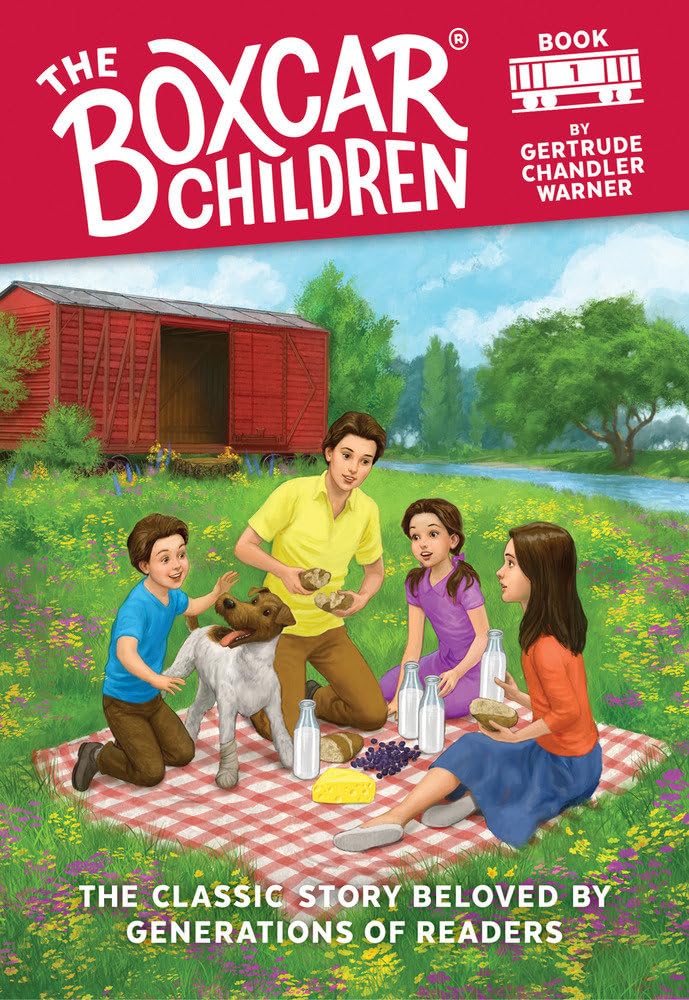
Orphaned and determined to stay together, Henry, Jessie, Violet, and Benny Alden stumble upon an abandoned boxcar in the woods. They transform it into a cozy home, sparking a life of adventure, mystery, and self-reliance. But as they build their independent world, secrets from their past emerge, leading them on a journey to uncover their family's history and find a place where they truly belong. Will the Boxcar Children find the loving home they've always longed for?
Summary of Key Ideas
- •
Embracing Self-Reliance
The Alden children, having lost their parents, exemplify remarkable self-reliance as they create a home in an abandoned boxcar. Facing the prospect of living with a grandfather they believe to be stern and unkind, they choose independence, showcasing resourcefulness and initiative as they find food, water, and shelter. This key idea highlights the children's ability to not only survive but thrive in challenging circumstances, emphasizing themes of independence, problem-solving, and the capacity for children to care for themselves and each other when necessary. Their resourcefulness becomes a central element of the narrative, demonstrating practical skills and a proactive approach to life's difficulties.
- •
The Power of Sibling Bonds
Despite facing hardship and uncertainty, the four Alden siblings demonstrate unwavering loyalty and mutual support. Henry, the eldest, takes on the responsibility of providing for his younger sisters and brother. Jessie assumes a maternal role, ensuring their well-being and maintaining a sense of order. Violet's gentle nature contributes emotional stability, while young Benny's innocent perspective offers moments of lightheartedness. Together, they face challenges as a unified front, illustrating the strength and resilience that comes from familial bonds. This idea emphasizes the importance of love, care, and commitment within a family, particularly in times of adversity.
- •
Finding 'Home' in Unexpected Places
The boxcar itself becomes a symbol of home, not defined by physical grandeur but by the love, cooperation, and memories created within its walls. The children transform the abandoned space into a cozy and functional living area, finding innovative uses for discarded items and creating a sense of belonging. This idea underscores the idea that 'home' is not necessarily a place, but the feeling of security, love, and togetherness. It highlights themes of resourcefulness and creativity, demonstrating that happiness and contentment can be found even in the simplest of circumstances. The boxcar represents the children's ability to create their own secure world, independent of societal expectations.
- •
Resourcefulness and Ingenuity
Throughout their adventure, the Alden children exhibit remarkable ingenuity, finding creative solutions to overcome obstacles. From fashioning furniture out of discarded items to earning money through foraging and odd jobs, they constantly adapt to their environment. Their resourcefulness is not just about survival; it’s about maximizing their potential and creating a comfortable life for themselves. This theme demonstrates the importance of problem-solving skills, adaptability, and a proactive mindset when facing challenges. It shows that with creativity and determination, individuals can overcome adversity and create opportunities for themselves.
- •
Redefining Wealth and Value
The book subtly explores themes of wealth and class, contrasting the Alden children's humble existence with the perceived opulence of their grandfather's world. Despite their initial fears of him, the children eventually discover his kindness and generosity, learning that true wealth lies not in material possessions but in familial love and connection. This key idea challenges societal perceptions of value and emphasizes the importance of judging individuals based on character rather than economic status. It reinforces the idea that happiness and fulfillment can be found regardless of one's material circumstances.
- •
The Value of Hard Work
The story promotes values of hard work and self-sufficiency. The Alden children consistently seek ways to earn their keep and contribute to their makeshift household. They take on various tasks, demonstrating a strong work ethic and a sense of responsibility. This emphasis on labor instills a sense of pride and accomplishment in their endeavors. The book highlights that personal satisfaction and a sense of purpose can be derived from contributing to one’s well-being and the well-being of others through diligent effort.
Chapter Recap

About The Author
Gertrude Chandler Warner
Main Quotes
"One warm night four children stood in front of a bakery. No one knew them. No one knew where they had come from."
"Then she saw something ahead of her in the woods. It was an old boxcar. "What a good home that will be in the rain!" she thought."
""We're like a family of four turtles crawling around inside our shell.""
""We have a grandfather in Greenfield, but we don't like him," said Benny. Jessie put her hand over the little boy's mouth before he could say more."
""How mysterious and beautiful it is, to live in a cosy little boxcar!""
"“I am afraid to go to sleep,” said Violet. “I am afraid we will be caught.”"
""I think we can be very happy here," said Henry."
""It is fun to make our own home," said Jessie."
""Well," said Henry, "we have a house and a brook. We can earn some money. What more do we want?""
""This is the best home we ever had," said Violet."
Who Should Read This Book
Children aged 7-12
Elementary school students (Grades 2-6)
Readers interested in classic children's literature
Parents and educators looking for wholesome and engaging stories
Fans of mystery and adventure stories for young readers
Families seeking read-aloud books
Readers who enjoy stories about resourcefulness, independence, and family
Homeschooling families
Book Summaries Like
The Boxcar Children



FAQ

Free Access to LitNotes