




 DISCORD
The Boys in the Boat
Daniel James Brown


 Amazon Best Sellers
 Apple Books


 78 Min Reading Time
 Audio Version Available
About this book
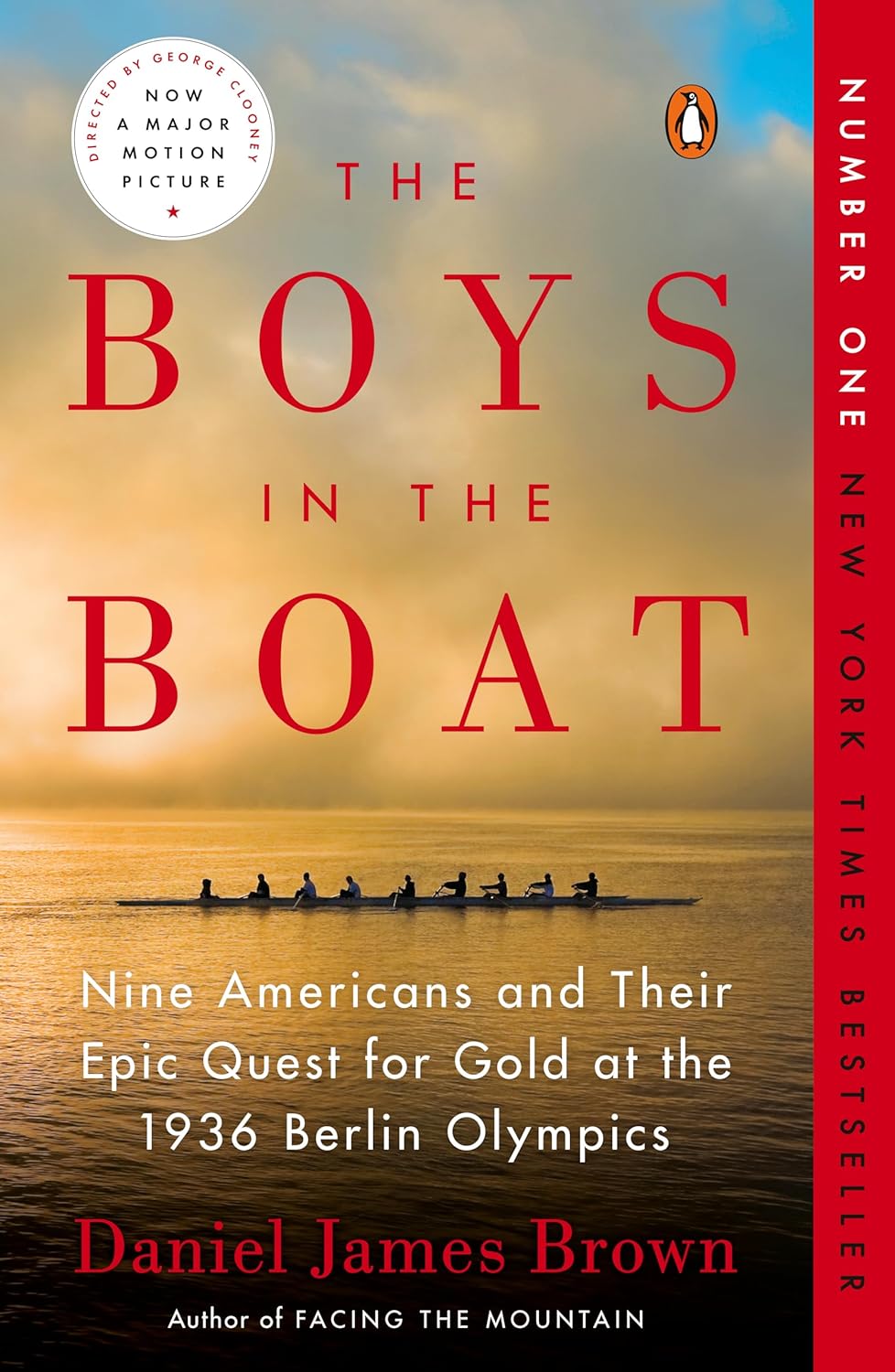
In the depths of the Great Depression, nine working-class boys from the American West embarked on an improbable quest for Olympic gold. The Boys in the Boat tells the inspiring true story of the University of Washington's rowing team, comprised of sons of loggers, shipyard workers, and farmers, who defied all odds to compete at the 1936 Berlin Olympics.
At the heart of this gripping narrative is Joe Rantz, a teenager battling personal demons and a shattered past, who finds solace and purpose in the boat. Under the tutelage of an enigmatic coach and a visionary boat builder, these young men forge an unbreakable bond, transforming themselves into a team that embodies grit, determination, and unwavering trust.
Against the backdrop of Nazi Germany, they faced elite rivals from the East Coast and Great Britain, ultimately challenging Hitler's formidable German team. Drawing from the boys' own journals and memories, Daniel James Brown crafts a powerful tale of triumph over adversity, capturing an era when the nation needed a beacon of hope and these boys showed the world what could be achieved when everyone pulls together.
Summary of Key Ideas
- •
The Power of Teamwork and Unity
The core of the book highlights the transformation of individual athletes into a cohesive and high-performing team. It showcases how nine young men from diverse backgrounds, initially driven by personal ambition, learn to synchronize their efforts and trust each other implicitly. This transformation is essential for their success in rowing, where perfect harmony and unified action are paramount. The book explores the challenges and rewards of teamwork, demonstrating how collective effort can lead to extraordinary achievements that surpass individual capabilities. The emphasis on teamwork not only drives the plot but also serves as a metaphor for overcoming larger societal challenges, suggesting that unity and collaboration can conquer even the most daunting obstacles.
- •
Triumph Over Economic Hardship
Set against the backdrop of the Great Depression, the book vividly portrays the economic hardships faced by the characters and their families. Many of the boys come from impoverished backgrounds and rely on rowing scholarships to survive. The Depression's impact is a constant presence, shaping their motivations and adding weight to their struggles. Rowing becomes more than just a sport; it's a means of survival and a pathway to a better future. The grit and determination displayed by the boys are deeply rooted in their experiences of economic hardship, making their achievements all the more remarkable and inspiring.
- •
Resilience in the Face of Adversity
The narrative explores the theme of resilience, focusing on the characters' ability to persevere in the face of adversity. Joe Rantz, in particular, embodies this trait due to his difficult childhood and abandonment by his family. Throughout the book, the boys encounter numerous setbacks, both on and off the water, but they consistently demonstrate the strength to overcome these challenges. Their resilience is not just about physical endurance; it's also about mental fortitude and the ability to maintain hope and determination even in the darkest of times. This theme of resilience resonates deeply, offering a powerful message about the human spirit's capacity to endure and thrive against all odds.
- •
Class Conflict and Social Inequality
The book explores the contrast between the working-class backgrounds of the Washington rowers and the more privileged backgrounds of their competitors, particularly those from the East Coast universities. This class disparity highlights the social inequalities of the time and adds another layer to the underdog story. The Washington crew's success becomes a symbol of upward mobility and a challenge to the established social order. Their victory is not just a sporting achievement; it's a triumph for the common man, demonstrating that talent and determination can overcome social and economic barriers. This theme of class conflict adds depth and complexity to the narrative, making the boys' journey even more compelling.
- •
The Shadow of Nazi Germany
The story unfolds against the ominous backdrop of Nazi Germany in the lead-up to World War II. The 1936 Berlin Olympics were used by the Nazi regime as a propaganda tool to showcase their ideology and power. The book delves into the political climate of the time, highlighting the growing threat of fascism and the moral dilemmas faced by the athletes participating in the Games. The rowing team's presence in Berlin places them in a complex and morally ambiguous situation, forcing them to confront the political realities of the world beyond the sport. This historical context adds a layer of tension and significance to their quest for gold.
- •
The Necessity of Trust and Faith
A central theme revolves around the importance of trust, both within the rowing team and in oneself. The rowers must learn to trust their teammates implicitly, relying on each other to perform their roles flawlessly. This trust extends beyond the boat, as they navigate personal challenges and build lasting bonds. Joe Rantz's personal journey is particularly focused on learning to trust others after experiencing abandonment and betrayal in his childhood. The book emphasizes that trust is essential for achieving both individual and collective success, and that it requires vulnerability, communication, and unwavering support.
- •
The Impact of Mentorship and Guidance
The book emphasizes the importance of mentorship through the character of Al Ulbrickson, the University of Washington rowing coach. Ulbrickson's tough and demanding coaching style pushes the boys to their limits, but he also provides guidance and support. More importantly, the presence of the boat builder George Pocock acts as a key mentor to Joe Rantz. Pocock's philosophical insights help the boys understand the deeper meaning of rowing and the importance of mental preparation. The mentors not only impart technical skills but also instill values such as discipline, perseverance, and the pursuit of excellence. Their influence is crucial to the boys' development as athletes and as individuals.
- •
The Quest for Identity and Belonging
The book explores the theme of identity, focusing on the characters' quest to define themselves both as individuals and as part of a team. Rowing becomes a means of self-discovery, as the boys learn about their strengths, weaknesses, and potential. Joe Rantz's journey is particularly poignant, as he struggles to overcome his past and find his place in the world. The team's success is not just about winning medals; it's about forging a collective identity and achieving something greater than themselves. Through their shared experiences and challenges, the boys develop a sense of belonging and purpose that transcends their individual identities.
Chapter Recap

About The Author
Daniel James Brown
Main Quotes
"It is hard to steer a parked car."
"There is a beauty to rowing, a beauty that’s hard to describe."
"The boat is the thing. You must put the boat ahead of yourself."
"He was a fiercely independent, self-reliant, solitary person."
"It wasn't just about me. It had to be about the boat."
"There is magic in rowing, a magic that transcends the physical exertion."
"A brotherhood of bruised minds."
"It's a symphony of motion."
"Rowing is a sport that isolates you from the world."
"The most important thing in rowing is the ability to pull together."
Who Should Read This Book
Readers interested in historical accounts of the 1936 Olympics
Fans of underdog stories and sports narratives
Individuals fascinated by the Great Depression era and its impact on ordinary people
Readers who enjoy stories about teamwork, perseverance, and the pursuit of a common goal
Those interested in rowing and the technical aspects of the sport
Readers of narrative nonfiction and historical biographies
People who appreciate well-researched and engagingly written historical accounts
Young adults (younger reader's edition)
Book Summaries Like
The Boys in the Boat




FAQ

Free Access to LitNotes